


less energy
consumption

made from
recycled plastics

post consumer
recycled materials

DISPLACES
VIRGIN PLASTIC
We believe in making the most of materials that already exist. That’s why this collection is made from a minimum of 50% post-consumer recycled (PCR) plastic. By rescuing materials already in circulation, we reduce our reliance on virgin fossil fuels and help divert waste from landfills.
Made with recycled materials to displace the need for new virgin plastic, keeping fossil fuels in the ground and waste out of landfills.


Made with upcycled agave fibers and recycled plastics, with a minimum of 50% post-consumer recycled plastic.
Made from Post-Consumer Plastics
Durable and Dependable
Reducing Reliance on Virgin Materials

Greenprint Certified Facility

Tracked Supply Chain with Quality Assurance

25% lower carbon footprint vs. traditional manufacturing methods.

Made from Recycled #5 Plastic






Trace the origin of compostable tableware from ancient leaf plates to modern plant-based materials like bagasse, PLA, and bamboo. Learn how compostable plates and cutlery are made.
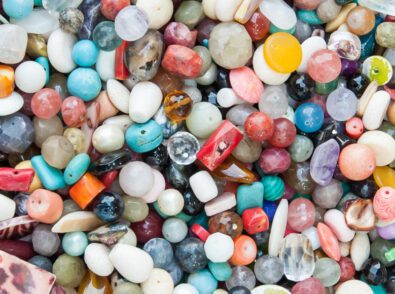
Learn how microplastics enter the food chain through water, soil, and packaging. Discover practical steps foodservice operators can take to reduce plastic contamination.

Learn what a carbon footprint is, which greenhouse gases it includes, and how businesses measure emissions using the GHG Protocol. Find practical steps to reduce yours.

