



Nanoplastics vs. microplastics comes down to size. Learn how they differ, why researchers worry more about nanoplastics, and simple ways to reduce exposure.
Earth Day facts that show the scale of the environmental crisis, from plastic and landfill waste to CO2 and wildlife loss. See what the numbers mean for you.
Learn how to reduce carbon footprint at home with simple steps for energy, heating, food, and waste. Start with easy swaps your whole household can keep up.

The environmental impact of food waste runs from methane emissions to wasted water and land. See how it harms the planet and simple ways to cut it today.
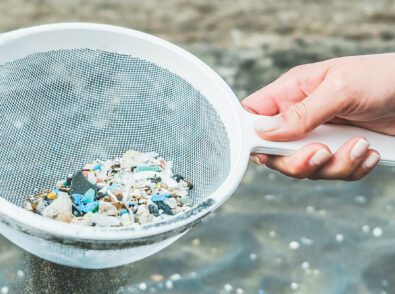
Microplastics in the ocean come mostly from land-based plastic. Learn how they get there, why they matter for marine life, and simple ways to cut plastic waste.
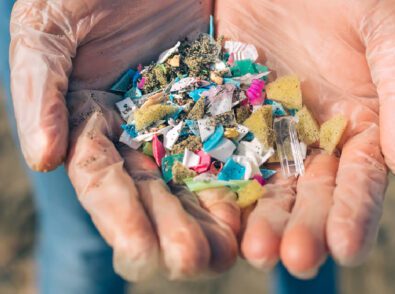
Learn how to avoid microplastics with easy swaps for your water, food, and kitchen, plus certified compostable foodware that cuts plastic in the waste stream.

Planning a net-zero event? Learn how to measure, cut, and offset emissions across venue, food, waste, and travel, then choose certified compostable foodware.

Microplastics in common disposable foodware shed into hot food and drinks. Learn the top sources, the health questions, and compostable options you can trust.
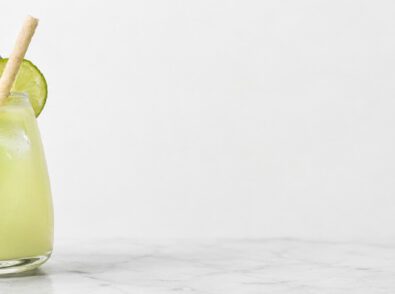
Of the nearly eight million tons of plastic waste, plastic straws make up about 4% of that total . They are also among the top 10 contributors to ocean marine debris. Plastic straws are not recyclable, partly because of their size but also because most are tossed into the trash and end up in a landfill.