

conscious by
design

sustainability

quality

Community

innovation
Choose which products are suitable for your needs and ability to decompose of them.

Our flagship innovation. We upcycle agave fibers into proprietary compostable and recycled-blend products.

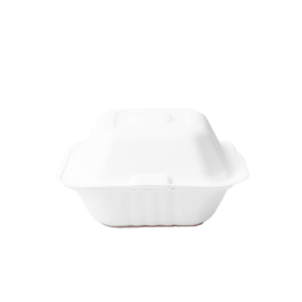
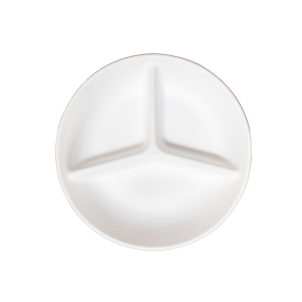
Made from renewable sugarcane fiber. A tree-free, sturdy, and BPI-certified compostable solution for hot or cold meals.


Crystal-clear, durable, and made from a minimum of 50% post-consumer recycled content.
Recycled or composting, choose what’s right for you

blue dot
Made with verified recycled plastics, with a minimum of 50% post-consumer recycled plastic.
Made from Post-Consumer Plastics
Durable and Dependable
Reducing Reliance on Virgin Materials

green dot
Made from renewable materials such as agave, sugarcane, and bamboo fibers.
Non-Toxic & PFAS-Free
Returns to the Earth
For Commercial Composting Only


We are committed to reducing our environmental footprint. This means focusing on every step of our process—from prioritizing materials sourced within our region and renewable energy in our manufacturing.
By integrating these standards, our goal is to achieve enduring social and environmental impact.
- Shipping and Returns
- Our Products
- Recycling and Composting
Shipping and Returns
What are your shipping options?
We offer standard ground shipping (5-7 business days) and expedited shipping (2-3 business days) for all orders within the continental United States.
How long does it take to process an order?
Orders are typically processed and shipped from our warehouse within 1-2 business days. You will receive a shipping confirmation email with a tracking number as soon as your order is on its way.
Do you offer free shipping?
Yes, we offer free standard ground shipping on all orders over $75.
What is your return policy?
We want you to be 100% satisfied. You can return any unopened and unused products within 30 days of purchase for a full refund. Please visit our “Returns” page or contact our support team to initiate a return.
What if my order arrives damaged?
We’re so sorry if that happens! Please contact our customer support team at dropship@greenprintproducts.com within 48 hours of receiving your order. Include a photo of the damaged item and your order number, and we will work with you to send a replacement or issue a refund immediately.
Do you ship internationally?
Currently, we only ship to addresses within the United States and Canada. We are working on expanding our shipping network, so please check back soon!
Our Products
What are your products made from?
We use a variety of sustainable materials! Our “Agave Based” line uses proprietary compounds made from upcycled agave fibers. Our “Fiberware” line is made from 100% renewable sugarcane fiber (bagasse). And our “Recycled” line is made from crystal-clear, 100% post-consumer recycled (rPET) plastic.
What does “upcycled agave” mean?
“Upcycled” means we rescue a waste-stream byproduct from another industry and turn it into something new and valuable. We take the agave fibers left over from tequila and agave nectar production and use them as the base for our proprietary “Agave Based” products.
Are your compostable products (Green Dot) PFAS-free?
Yes. All of them. We are proud that our entire “Green Dot” compostable collection is 100% free of PFAS “forever chemicals,” as well as BPA and other toxic additives. All our food contact products are safe for you and your family.
Can I use your compostable cutlery and plates with hot foods?
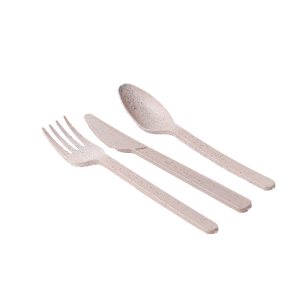
Absolutely. Our compostable (Green Dot) and recycled (Blue Dot) products are designed to be sturdy and durable. They are perfectly safe and effective for use with hot foods, cold foods, and liquids.
What is the difference between your “Agave Recycled” and “Recycled rPET” products?
Great question!
Our Agave Recycled (Blue Dot) products are part of our flagship “Agave Based” collection. They are an innovative blend of upcycled agave fibers and at least 50% post-consumer recycled plastic.
Our Recycled (rPET) products are our crystal-clear cup collection, made from 100% post-consumer recycled plastic (like water bottles).
Recycling and Composting
What’s the difference between “biodegradable” and “compostable”?
This is a key difference! “Biodegradable” just means something will break down over time, but it could take decades and leave microplastics behind. “Compostable” (and specifically BPI-Certified) means it has been verified to break down completely into nutrient-rich soil in a specific timeframe (usually 90-180 days) in the proper facility.
What’s the difference between “Commercial” and “Home” composting?
Commercial Composting (or Industrial) facilities are high-heat operations (140-165°F) that can break down dense bioplastics, like our cutlery. Most municipal programs use these.
Home Composting is a lower-temperature process (your backyard bin). Only products specifically certified for “Home Compost” (like our TÜV Austria Certified Green Dot Straws) will break down here.
How do I find a commercial composting facility near me?
We recommend checking with your local municipality’s waste management service, as they often have a list of approved facilities and programs. For a broader search, online resources like Litterless (or a similar resource) can be a great starting point.
What if I can’t compost or recycle your products?
We know that perfect disposal isn’t available everywhere yet. If you must dispose of a product in the trash, you can still feel confident that you choose a product made from sustainable, upcycled, or recycled materials (like our Blue Dot line). This “front-end” part of the product’s life is just as important as the end-of-life.
What about recycling? Does it help?
Yes, and in a surprisingly paramount way. When we recycle, we limit the amount of waste sent to landfills and combustion facilities, which reduces carbon emissions and the need to collect the waste. In addition, the conservation of natural resources such as timber, water & minerals benefits the waste management ecosystem, reducing its already overstrained load and the need for new raw materials. (This is the great answer you already have—let’s keep it!)
Why can’t I throw compostable products in the trash?
When compostable products are sent to a landfill, they are buried without oxygen (an “anaerobic” state). This causes them to break down very slowly and release methane, a potent greenhouse gas. Composting, on the other hand, allows them to break down with oxygen, returning them to the soil as valuable compost.

Sustainable materials are becoming essential in everyday life. Many people are trying to adopt more sustainable shopping habits, and they also…
Plastic is one of the most widely used materials in modern life, but its environmental impact depends heavily on how…
Choosing the right foodware for your restaurant isn’t just about cost or convenience—it’s a strategic decision that impacts safety, regulatory…