

Exploring the PHA Bioplastic Manufacturing Process: Safe, Sustainable Foodware
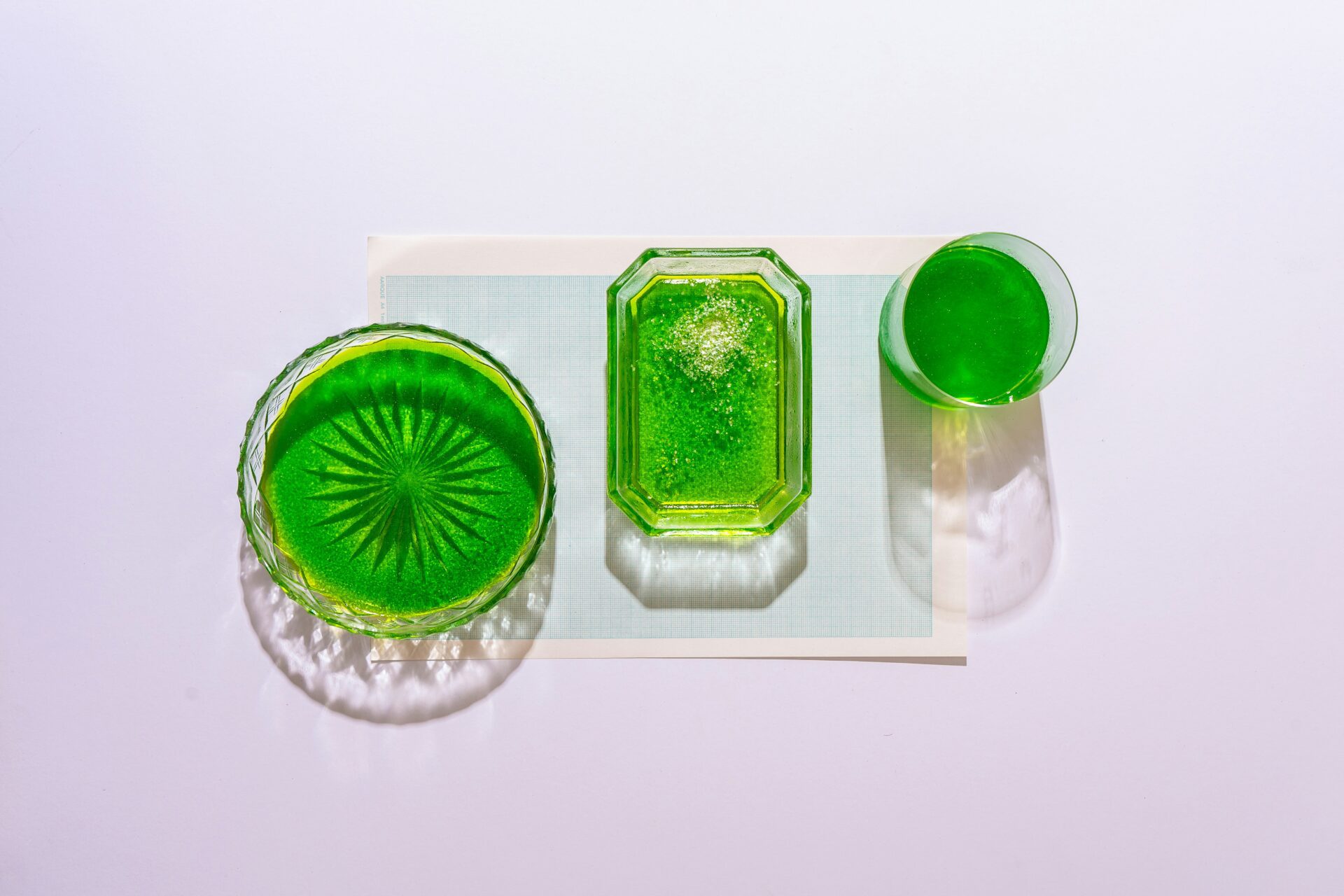


Choosing the right foodware for your restaurant isn’t just about cost or convenience—it’s a strategic decision that impacts safety, regulatory compliance, and environmental responsibility. As sustainability standards evolve, understanding advanced materials such as PHA bioplastic is essential for forward-thinking operators. This guide provides a clear overview of the PHA bioplastic manufacturing process, its verified safety for food contact, and its operational advantages for restaurants and the foodservice industry.
Understanding the PHA Bioplastic Manufacturing Process
PHA (polyhydroxyalkanoate) is a next-generation bioplastic produced through microbial fermentation of renewable, plant-based feedstocks such as vegetable oils or sugars. In a controlled environment, specialized bacteria convert the feedstock into PHA granules inside their cells, which are then extracted, purified, and processed into pellets. These pellets are subsequently melted and molded into high-performance foodware products, including cups, lids, and utensils.
Unlike conventional plastics, PHA is fully compostable and derived from renewable resources, significantly reducing environmental impact. These products adhere to rigorous quality assurance and traceability protocols at every stage of production, ensuring each product meets the highest standards of sustainability and reliability.
What Is PHA Made From and How Is PHA Foodware Produced?
PHA is synthesized from renewable resources, including plant oils, sugars, and agricultural byproducts. These natural feedstocks are selected for their low environmental footprint and their ability to be efficiently converted by bacteria during the fermentation process. Following extraction, PHA is processed into pellets and manufactured into a diverse range of foodware items, including plates, bowls, and straws.
Compared to other bioplastics like polylactic acid (PLA), PHA offers superior compostability and can biodegrade in both industrial and home composting environments, as recognized by the Biodegradable Products Institute (BPI). PHA products are designed to meet the needs of modern restaurants while supporting your sustainability goals.
Is PHA Safe for Everyday Food Contact?
PHA bioplastic is certified for food contact by leading regulatory authorities, including the U.S. Food and Drug Administration (FDA) and the European Food Safety Authority (EFSA), ensuring it meets strict health and safety standards. It contains no toxic residues and is free from harmful chemicals like BPA, demonstrating excellent heat resistance and making it suitable for a wide range of food and beverage applications.
PHA complies with local compostability regulations, keeping your restaurant ahead of changing laws. When evaluating PHA products, it is crucial to verify certifications and the transparency of suppliers. PHA foodware complies with all relevant compostability and food safety regulations, enabling restaurants to meet or exceed local and national standards.
Why Choose Greenprint for Sustainable Foodware?
Finding foodware that’s safe, sustainable, and compliant shouldn’t be a hassle. Greenprint offers a unique range of home compostable products that meet strict regulatory standards and are competitively priced. Our team is here to help you navigate local regulations, provide fast delivery, and support you every step of the way. With Greenprint, switching to eco-friendly foodware is simple and risk-free.
Contact Greenprint today to request samples or get a custom quote for your restaurant. We’re ready to help you make the switch to safer, greener foodware—let’s work together to build a more sustainable future.
Embrace the Future of Restaurant Foodware With Greenprint
Switching to compostable foodware is a smart move for restaurants focused on safety, sustainability, and compliance. Partner with Greenprint for certified high-performance solutions that support your operational goals and environmental commitments.


See the Hawaii plastic ban and single-use plastic laws for Honolulu, Maui, Hawaii County, and Kauai, with dates, fines, and compliant foodware tips for 2026.
Nanoplastics vs. microplastics comes down to size. Learn how they differ, why researchers worry more about nanoplastics, and simple ways to reduce exposure.
Earth Day facts that show the scale of the environmental crisis, from plastic and landfill waste to CO2 and wildlife loss. See what the numbers mean for you.