

Plastic Foodware Alternatives for Restaurants


Plastic Foodware Alternatives for Restaurants
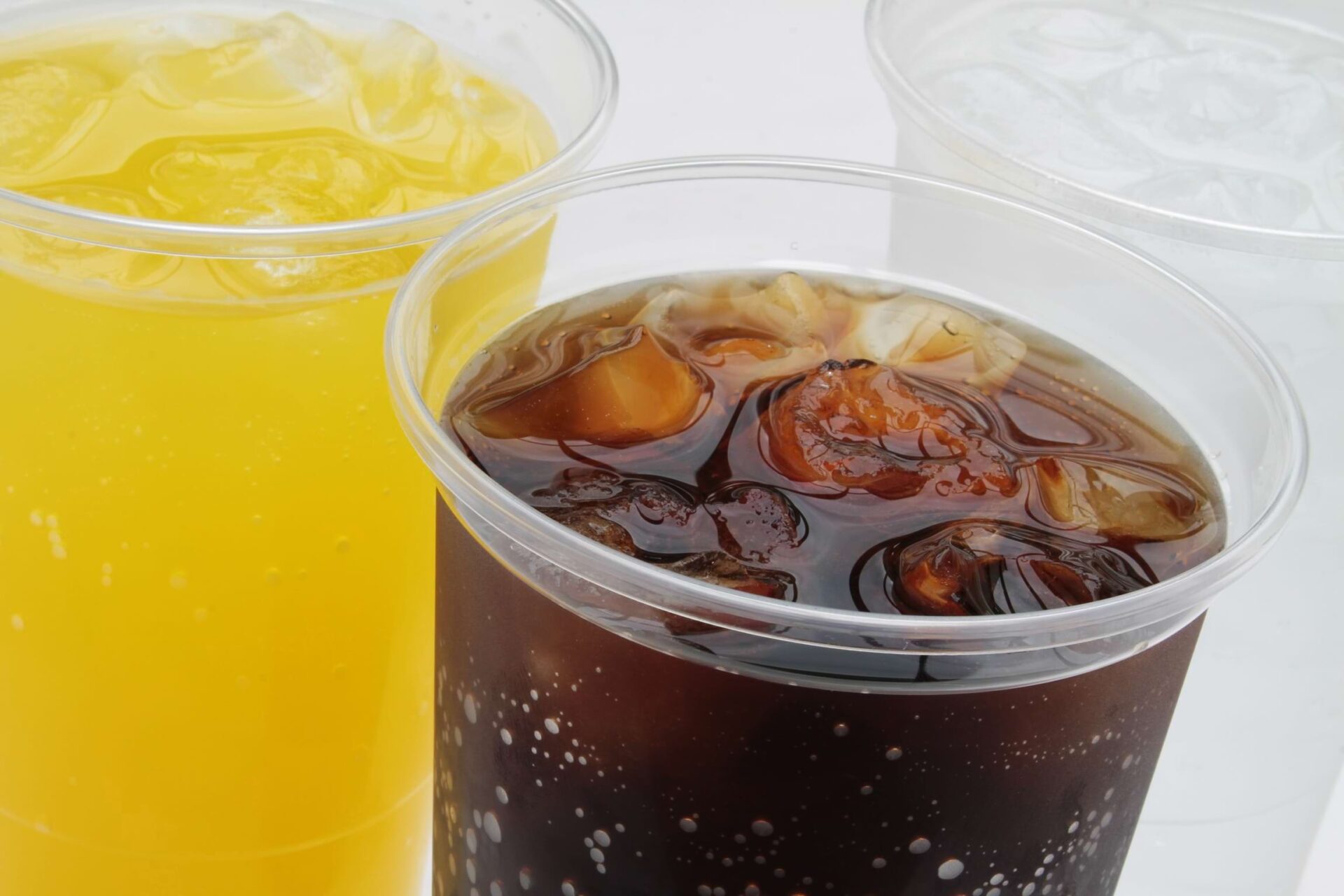
The restaurant industry serves millions of meals daily, and a mountain of plastic waste comes with that. From straws to takeout containers, single-use plastic has long been the norm, but consumers are starting to demand change. That is why plastic alternatives for restaurants are moving from a nice-to-have to an expectation.
People want their favorite eateries to step up, ditch plastic, and embrace sustainable alternatives. Many consumers are willing to reward restaurants that lead the way in sustainability with lasting loyalty.
Navigating the world of sustainable disposables can feel overwhelming, especially with updated legislation and endless product options. That’s where understanding your alternatives becomes essential.
Why Limit Plastic in Your Restaurant?
Plastic pollution is one of the most pressing environmental issues of our time. Videos of oceans, rivers, dams, and sewage pipes clogged with plastic surface online constantly, so the average consumer now understands the effects of plastic. Single-use plastics take centuries to break down, clogging landfills and harming marine life.
The foodservice industry contributes significantly to this crisis, but it also holds the power to drive change.
Consumers are increasingly choosing restaurants that prioritize sustainability. According to a 2024 UK Lightspeed study, around 90% of diners prefer to support businesses with sustainable practices.
Regulation is tightening too. Bans on foam foodware, plastic straws, and plastic carryout bags are already in effect in many US jurisdictions. Compliance is now a practical driver, not only a values choice.
Adopting sustainable alternatives now positions your restaurant as an industry leader. It shows that you care about the environment and are proactive about future-proofing your business. Sustainable choices can enhance your brand story, attract sustainability-minded customers, and differentiate you from competitors still clinging to plastic.
Exploring practical alternatives that balance functionality, affordability, and environmental impact is key to your success as a sustainable establishment.
Five Plastic Alternatives for Restaurants
From dinnerware and cups to cutlery and takeout boxes, there are plenty of sustainable food packaging options for restaurants to adopt, including:
Agave-Based Products From Greenprint
Agave-based straws and cutlery are among the most practical plastic alternatives for restaurants. They are durable, resist heat where rated, and hold their shape better than paper straws. Greenprint® crafts them from Upcycled Agave fiber, a by-product of tequila production that would otherwise be discarded.
We source our Agave Fibers as post-tequila agricultural waste from small farming families in Jalisco, Mexico. The region generates more than 350,000 tons of agave plant waste each year. Unlike bamboo shipped from Asia or wheat straw diverted from animal feed, agave waste has no competing use, so it becomes a pure waste-to-value input.
All our compounding and manufacturing happen in-house at our vertically integrated facility, so we control the full formulation and quality. Our agave line includes two certified products:
- Green Dot Compostable Upcycled Agave Straws: our enzyme-enhanced agave-PLA/PBAT compound, certified TÜV Austria OK Compost HOME and BPI Commercial, and third-party verified PFAS-free.
- Green Dot Compostable Upcycled Agave Cutlery: the same agave family, BPI Commercial certified, requiring industrial composting at 55 to 60°C, not HOME certified.
The straws break down in a home compost system because an enzyme masterbatch catalyzes hydrolysis of the PLA polymer chains at 20 to 30°C. Standard PLA without that enzyme, like our cutlery compound, needs industrial composting at 55 to 60°C and cannot earn HOME certification.
Our internal breakdown study, GP-BIO-001, documented full breakdown of the straws by Week 20 in home compost conditions, validated in triplicate. It supports the TÜV certification rather than replacing it.
To match each item to your local waste system, explore our agave-based products, our home compostable products, and our industrial compostable products.
Compostable Takeout Containers From Earth’s Natural Alternative
Reduce waste from excess takeout containers with compostable clamshell containers from Earth’s Natural Alternative, available in various shapes and sizes. These containers are made from bamboo fiber and sugarcane (bagasse) fiber, are BPI-certified for industrial composting, and give you a plastic-free, dye-free choice for your restaurant.
They are cut-resistant and oil-resistant, making them suitable for hot and cold dishes. These containers take one to six months to fully break down at municipal or industrial composting facilities. Compostable takeaway containers are a strong alternative to plastic food packaging.
Round Plates From Eco-Products
Eco-Products produces round plates for dining establishments, made from molded plant fiber with no-added PFAS. The plates are BPI-certified, compostable, and compliant with ASTM D6868 standards, giving diners a compostable option without compromising quality.
With a maximum temperature tolerance of 250°F, they are suited to serving hot dishes.
Bamboo Cutlery From World Centric
World Centric® supplies bamboo cutlery, a sustainable alternative for diners. This cutlery is durable and made from FSC® certified bamboo sourced from responsibly managed forests. It is USDA Certified Bio-Based and made with no added PFAS, providing a safe option for your customers, and is industrially compostable and can be discarded with yard trimmings where accepted.
By incorporating this sustainable cutlery into your offerings, you actively reduce plastic waste and support a healthier planet.
Compostable Stemless Wine Cups From Repurpose
Toast to a greener future with these cups from Repurpose. Made from corn and other plant-based materials, Repurpose stemless wine cups are lightweight, durable, and suited to serving cold drinks. With no PFAS added and BPA-free, your guests can sip sustainably and safely.
Certified commercially compostable and bio-based, these cups are an elegant choice for any establishment looking to pave the path for a sustainable future.
How the Alternatives Compare
| Alternative | Material | Certification / End-of-Life | Best Use |
|---|---|---|---|
| Green Dot Compostable Upcycled Agave Straws | Enzyme-enhanced agave-PLA/PBAT compound | TÜV Austria OK Compost HOME and BPI Commercial; home compostable at 20 to 30°C | Cold and hot drinks, especially where industrial composting is limited |
| Green Dot Compostable Upcycled Agave Cutlery | Agave-PLA compound | BPI Commercial; industrial composting at 55 to 60°C, not HOME certified | Cold and lukewarm meals where commercial composting exists |
| Compostable takeout containers (Earth’s Natural Alternative) | Bagasse (sugarcane) and bamboo fiber | BPI-certified; industrial composting in one to six months | Hot and cold takeout |
| Plant fiber plates (Eco-Products) | Plant fiber, bagasse-based | BPI-certified, ASTM D6868; no-added PFAS; compostable | Hot plated dishes up to 250°F |
| Bamboo cutlery (World Centric) | FSC-certified bamboo, USDA Certified Bio-Based | FSC-certified bamboo; industrially compostable, discard with yard trimmings where accepted | Dine-in and takeout utensils |
| Compostable stemless wine cups (Repurpose) | Corn and other plant-based materials | Certified commercially compostable and bio-based | Cold beverages |
Frequently Asked Questions
What’s the Difference Between Compostable and Recyclable Foodware?
Compostable items break down into organic matter under certified conditions, either home or industrial, while recyclable items are reprocessed into new material. Our agave straws are TÜV Austria OK Compost HOME certified, while our agave cutlery and Fiberware™ plates and bowls are industrial-compostable.
What Are the Best Plastic Straw Alternatives for Restaurants?
Compostable agave, paper, and reusable metal or silicone straws are the main options. Agave straws hold their shape better than paper and carry TÜV Austria OK Compost HOME certification.
Does Sustainable Foodware Cost More Than Plastic?
It usually carries a modest premium, offset by customer loyalty and compliance with plastic bans. Buying by the case and matching each material to its use helps control cost.
How Do I Transition My Restaurant to Plastic-Free Foodware?
Start with one swap, such as straws or containers, and match each material to your local composting or recycling access. Then expand to more categories as your systems adjust.
Take the Next Step Toward a Greener Future
Transitioning away from plastic can be a gradual and manageable journey, letting you make positive changes at your own pace. Even small changes can make a significant impact. Start by replacing plastic straws with agave-based options, or swap foam containers for plant fiber takeaway containers.
As you explore sustainable alternatives, you’ll discover that going green still upholds quality and convenience. If you’re keen to start, Greenprint is here to help.
We bring industry expertise and a passion for sustainability, so we can guide restaurant owners through the transition. We’ll chat with you about our agave-based products, disposal regulations, sample requests, and any other questions you have. Contact us today to discover how easy it is to make substitutes for plastic.
References
- https://www.foodserviceequipmentjournal.com/90-of-diners-prefer-sustainable-restaurant-practices/
- https://enaecogoods.com/shop/compostable-8x-8-takeout-containers-made-from-renewable-plant-fiber
- https://ecoproducts.com/9in-plate-vanguard/
- https://store.worldcentric.com/6.7-inch-bamboo-fork
- https://repurpose.com/collections/repurpose-compostable-disposable-collections-tableware/products/repurpose-compostable-disposable-12oz-stemless-cups?variant=40837515968671

Paper vs. plastic environmental impact depends on material, reuse, and disposal. See what life cycle studies show and how restaurants can pick better packaging.

Learn how the Colorado plastic ban and single-use plastic laws affect your business, from the bag fee and foam ban to local rules. Get compliant today.

See the Hawaii plastic ban and single-use plastic laws for Honolulu, Maui, Hawaii County, and Kauai, with dates, fines, and compliant foodware tips for 2026.