

What are FSC-Certified Plant Fibers?
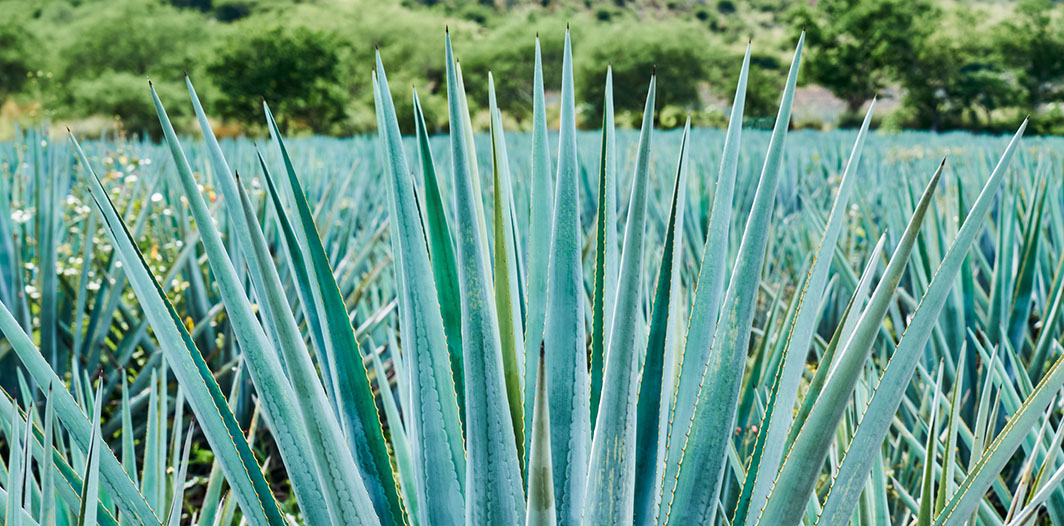


FSC-certified plant fibers are sustainably sourced natural materials or materials originating as plant-based products. The FSC certifications may cover wood and paper products, and they also cover many other natural fibers and forest products. Prime examples include the following:
- Agave fibers
- Man-made cellulosic fibers like viscose and modal
- Rubber
- Cork
- Linen
- Cotton
The Importance of Sustainable Sourcing
While many consider products sustainable when they are biodegradable or recyclable, the sustainability considerations begin far before that point. Without sustainable material sourcing, plant-based items can be more harmful than you may realize.
For instance, unsustainably sourced materials can contribute to harmful practices:
- Deforestation
- Forest degradation
- Illegal logging practices
These practices result in habitat loss, socioeconomic injustices, and erosion, which can affect current and future generations. Unsustainable sourcing of plant fibers can also lead to many other primary and secondary effects, from water pollution to ecosystem disruptions. Environmental certification is critical to the successful continuation of plant-based industries.
What Is the FSC?
The Forest Stewardship Council (FSC) is an international organization dedicated to the preservation and responsible management of the world’s forests. It is not governmental, giving it the independence to accurately review products and sustainability standards. Since it was founded in 1994, the FSC has become one of the world’s most recognized and trusted certification systems for forestry-related products.
What Does FSC Certification Mean?
FSC certification means that the materials used in a product are sustainably and responsibly sourced, meaning they do not harm the environment or local communities. A chain-of-custody certification also means that the product was sustainably produced and manufactured, completed by FSC-certified workers.
You may encounter various forms of FSC labeling or certification on products, including:
- 100% FSC: This label means all materials used in the product were sourced from responsible, sustainable, FSC-certified operations.
- 70% FSC: 70% of the materials used in the product originated from FSC-certified facilities. The rest comes from controlled sources.
- Recycled: The product consists of 100% recycled materials.
- Mix: The product consists of a mix of FSC-certified, controlled, and recycled materials.
How FSC Certification Works
To get FSC certified, the FSC verifies sustainable sourcing, services, and processes at each stage. Depending on the context, companies, individuals, nonprofits, and institutions may apply for one of three FSC certifications.
Forest Management Certification
Forest managers may apply for their operation to achieve FSC certification in one of two ways. The manager can contact a certification body with FSC accreditation, or they can contact a group manager and become part of a group certificate for forest management.
Any forest manager may contact an accreditation body, but only certain operations can join a group certificate (as established by existing group members). Group certifications allow different group members to share certification costs, reducing the expenses for individual shareholders.
While smaller forest landowners and managers prefer the latter solution, larger forestry operations can also form groups.
Chain-of-Custody Certification
The chain of custody certification traces a product’s path from the source throughout the supply chain. It ensures that plant fibers or products are managed responsibly throughout the process. To maintain a FSC certification, all contributors to the sourcing, manufacturing, and production processes must be FSC certified.
Like the forest management certification, you may apply to an accredited certification body or apply to join a group certificate by contacting a group manager.
In the case of the chain of custody certification, group certification has a few particular requirements:
- Annual sales valuing less than $10,000,000
- Fewer than 25 employees on staff
The group certification is primarily intended for groups of stakeholders that own or manage smaller operations, allowing them to share certification fees. Independent certification is preferred for larger operations.
Controlled Wood Certification
The controlled wood certification is for businesses that cannot fully acquire certified wood. This certification allows these operations to make up 30% of the total manufactured product.
The main requirement is that the operation must avoid the five restricted wood categories:
- Illegally harvested material
- Material harvested in contravention of human rights
- Wood from forests containing genetically modified trees
- Material supplied by forests being converted into plantations
- Wood harvested in forests with high conservation values threatened by management
Greenprint’s FSC-Certified Agave Products
Greenprint’s agave-based line of products consists of a blend of FSC-certified agave fibers and verifiable, traceable recycled plastics. By sourcing agave waste products from Mexican tequila manufacturers and converting them into usable agave fibers, we can convert two waste sources (recyclable plastic and agave agro-waste) into usable products.
Agave-based products from Greenprint offer all the convenience of standard, disposable, single-use plastics, without the same negative environmental impact.
References

Paper vs. plastic environmental impact depends on material, reuse, and disposal. See what life cycle studies show and how restaurants can pick better packaging.

Learn how the Colorado plastic ban and single-use plastic laws affect your business, from the bag fee and foam ban to local rules. Get compliant today.

See the Hawaii plastic ban and single-use plastic laws for Honolulu, Maui, Hawaii County, and Kauai, with dates, fines, and compliant foodware tips for 2026.