

New York Plastic Bottle Ban: What Businesses Need to Know



Content
- Current Plastic Bottle Bans in New York
- New York Hotel Miniature Plastic Bottle Ban
- The Bigger Better Bottle Bill: What's Coming Next
- How New York Plastic Legislation Affects Foodservice and Hospitality Businesses
- Sustainable Packaging Alternatives for New York Businesses
- Steps to Prepare Your Business for Compliance
- Frequently Asked Questions
- Position Your Business Ahead of New York's Plastic Regulations
Plastic Bottle Ban New York Legislation: What Business Owners Need to Know
New York is tightening its grip on single-use plastics, and plastic bottles are squarely in the crosshairs. If you run a restaurant, hotel, catering operation, or retail store in the state, these regulations directly affect your purchasing, your operations, and your bottom line.
This guide breaks down the current and pending plastic bottle ban New York legislation, what it means for your business, and how to stay compliant without scrambling at the last minute.
Current Plastic Bottle Bans in New York
New York already has several active restrictions targeting single-use plastic containers. Understanding which ones apply to your operation is step one.
NYC Executive Order 54 (2020)
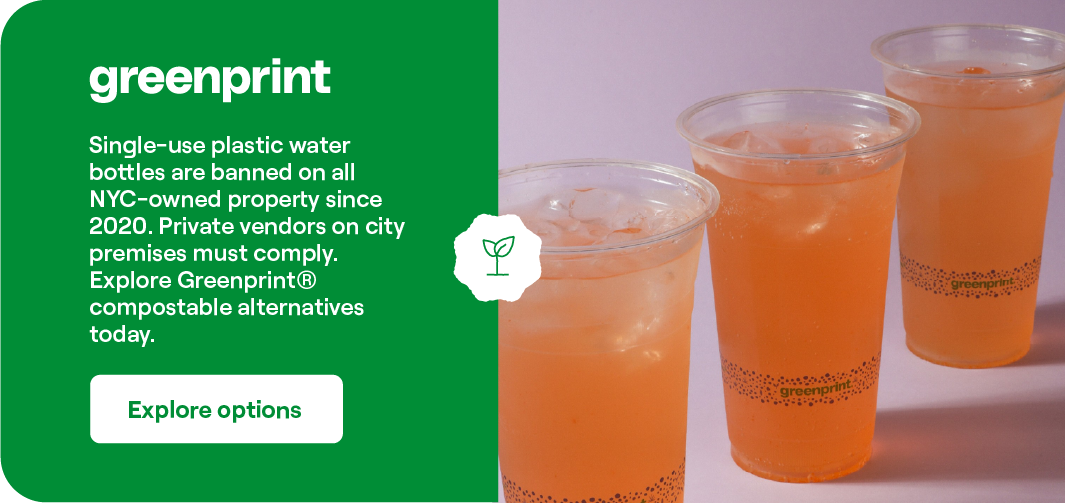
In February 2020, Mayor Bill de Blasio signed Executive Order 54. It bans single-use plastic water bottles on all City-owned and City-leased property. That includes city offices, public parks, recreation centers, and agency-managed facilities. If you’re a vendor or concessionaire on city property, you can’t offer them.
NYC Int 0069-2026
A proposed bill in the New York City Council would codify and expand this ban. Int 0069-2026 targets city agency procurement of single-use plastic water containers. It would push the restriction beyond executive order into permanent local law. It hasn’t passed yet, but it signals where the city is heading.
New York State Polystyrene Foam Ban
Since January 1, 2022, New York State has banned expanded polystyrene foam food service containers. As of January 1, 2026, the ban expanded to include polystyrene foam used in cold storage containers. The Department of Environmental Conservation enforces compliance. If you’re still using foam clamshells, cups, or containers in your foodservice operation, you’re already out of compliance.
New York Hotel Miniature Plastic Bottle Ban
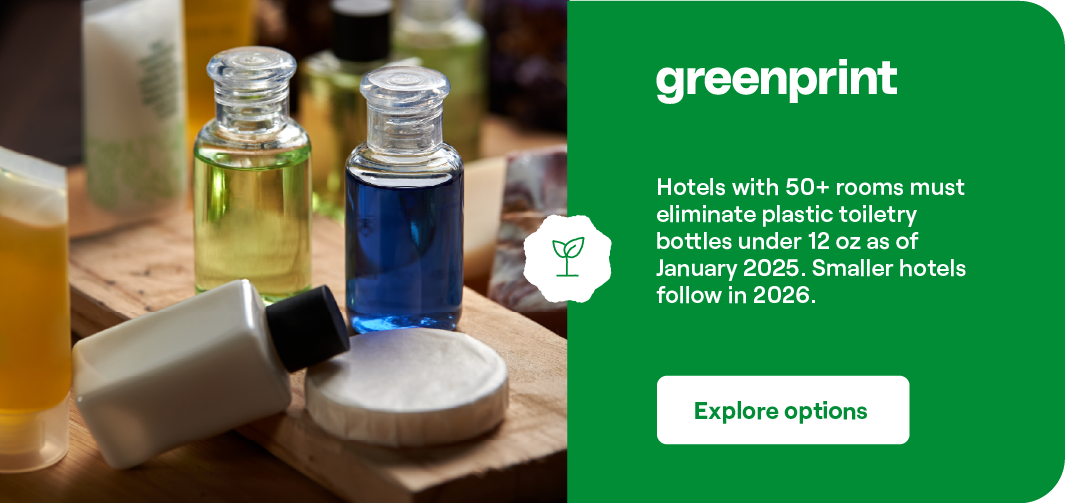
New York’s hotel toiletry bottle ban targets the small plastic bottles of shampoo, conditioner, and body wash that hotels distribute in guest rooms.
For hotels with 50 or more rooms: The ban took effect on January 1, 2025. These properties can no longer provide personal care products in plastic bottles under 12 ounces.
For hotels with fewer than 50 rooms: The compliance deadline is January 1, 2026.
The law requires hotels to switch to bulk dispensers, refillable containers, or non-plastic alternatives. If you operate a hospitality business in New York, this applies to you regardless of whether you’re in Manhattan or upstate. The goal is to eliminate millions of single-use plastic bottles from the hotel waste stream each year.
The Bigger Better Bottle Bill: What’s Coming Next
The most significant pending legislation is the Bigger Better Bottle Bill (S2351). This bill proposes two major changes to New York’s existing bottle deposit system.
First, it would increase the deposit on beverage containers from 5 cents to 10 cents. Second, it would expand the types of beverages covered to include wine, spirits, hard cider, and non-carbonated drinks; categories currently exempt from the deposit program.
The original Bottle Bill, enacted in 1982, applies only to carbonated beverages, beer, and water. The expansion would bring New York’s system in line with how people actually buy drinks today. Non-carbonated beverages like juices, teas, and sports drinks make up a growing share of the market but currently bypass the deposit system entirely.
For business owners, the Bigger Better Bottle Bill means higher deposit handling costs and a broader range of containers to manage. If you sell beverages in any of the newly covered categories, you’ll need to adjust your pricing, point-of-sale systems, and return logistics.
The bill is currently in the legislative process and has not yet been signed into law. But given the direction of New York’s plastic reduction efforts, operators should plan for it rather than wait.
How New York Plastic Legislation Affects Foodservice and Hospitality Businesses
These regulations hit foodservice and hospitality operators from multiple angles. Here’s what to account for.
Procurement changes. If you serve food or beverages in single-use packaging, you need to audit your current inventory. Polystyrene foam is already banned statewide. Plastic water bottles are banned on city property. Hotel miniature bottles are phased out by property size. Each of these requires a different replacement strategy.
Cost adjustments. Compostable and recycled alternatives typically cost more per unit than conventional plastic. But the math changes when you factor in compliance penalties, waste hauling fees, and the reputational cost of being on the wrong side of a regulation. New York City’s foam ban carries fines starting at $250 for a first offense and up to $1,000 for subsequent violations.
Waste stream management. Switching to compostable packaging only delivers environmental value if you have a composting pathway. New York City operates a curbside organics collection program, and commercial composting infrastructure continues to expand across the state. Before you switch products, confirm that your waste hauler or facility accepts the materials you’re planning to use.
Menu and service adjustments. Hotels need to source bulk dispensers. Restaurants may need to rethink how they package takeout. Caterers operating on city property need bottled water alternatives. These aren’t massive overhauls, but they require planning. Learn how to incorporate compostable packaging into your operations to streamline the transition.
Extended Producer Responsibility (EPR) laws reflect a broader policy framework beyond single-product bans and make packaging producers financially responsible for managing packaging waste.
Sustainable Packaging Alternatives for New York Businesses
Replacing single-use plastic doesn’t mean settling for products that underperform. The key is matching the right material to your operation and your local waste infrastructure.
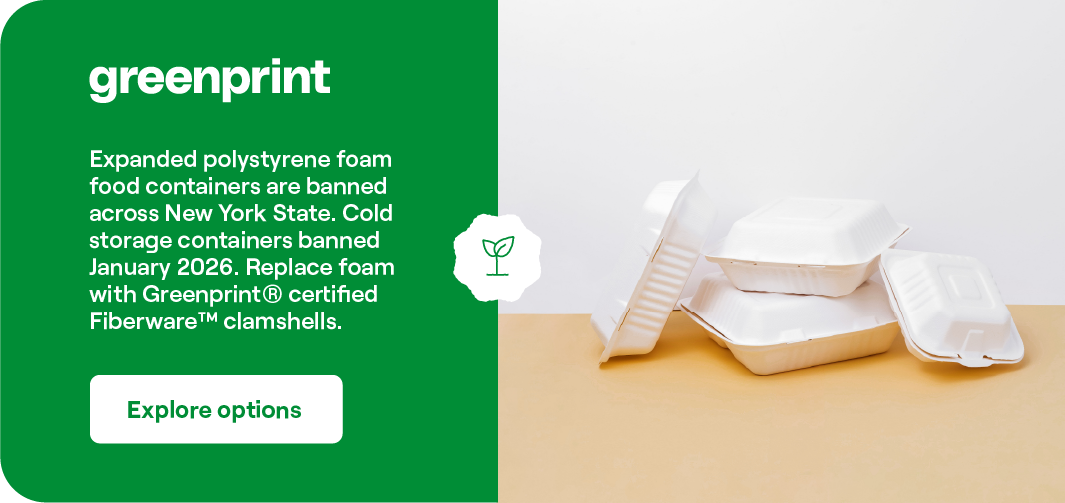
Compostable foodservice packaging made from plant-based packaging materials like sugarcane fiber and agave offers a direct replacement for foam and plastic containers. Greenprint® manufactures Fiberware™ clamshells, plates, and bowls from bagasse. They’re certified industrially compostable under TÜV Austria OK Compost INDUSTRIAL (EN 13432) and verified PFAS-free through Intertek testing. For operations with access to commercial composting, these are a one-to-one swap for foam takeout containers.
For beverages, Renewacups™ paper cups are 98.75% plastic-free, verified by Flustix, and tested PFAS-free across 62 compounds by Intertek. Clearly Compostable™ cold cups carry both BPI and TÜV Austria OK Compost INDUSTRIAL certifications.
If your waste infrastructure supports it, compostable straws and cutlery made from Upcycled Agave round out a full replacement set. Greenprint®’s agave straws carry TÜV Austria OK Compost HOME certification; meaning they break down at ambient temperatures (20–30°C), not just in industrial facilities.
The point isn’t to swap every product overnight. It’s to build a replacement plan that matches your waste system, your service style, and your compliance timeline. Learn about how other states approach plastic bans.
Steps to Prepare Your Business for Compliance
Waiting for enforcement is more expensive than preparing ahead of it. Here’s a practical sequence.
-
Audit your current packaging. List every single-use plastic item you purchase. Flag anything that falls under an existing or pending ban.
-
Check your waste infrastructure. Contact your hauler or municipality to confirm what composting and recycling programs are available at your location.
-
Match products to pathways. Choose certified compostable products only if you have a composting pathway. Choose recycled-content alternatives if you don’t. Making the wrong match undermines the environmental benefit and could expose you to greenwashing risk under FTC Green Guides.
-
Phase in replacements. Start with the highest-volume items first. Single-use cups, takeout containers, and straws are typically the biggest offenders.
-
Train your staff. Your team needs to know which bin gets which material. Contamination; putting compostable items in recycling, or vice versa; undermines the entire system.
-
Document your transition. Keep records of the products you’re switching to, their certifications, and your waste diversion pathways. This protects you during inspections and positions you well for any ESG reporting requirements.
Frequently Asked Questions
Are Plastic Water Bottles Banned in New York City?
Single-use plastic water bottles are banned on NYC-owned and NYC-leased property under Executive Order 54 (2020). They are not banned citywide for private businesses or retail sale.
When Does the New York Hotel Bottle Ban Take Effect?
Hotels with 50 or more rooms must comply by January 1, 2025. Hotels with fewer than 50 rooms have until January 1, 2026. The ban covers plastic bottles under 12 ounces containing personal care products.
What Is the Bigger Better Bottle Bill?
Senate Bill S2351 proposes increasing New York’s bottle deposit from 5 cents to 10 cents and expanding coverage to wine, spirits, hard cider, and non-carbonated beverages. It has not yet passed into law.
Does the Polystyrene Foam Ban Apply to My Restaurant?
Yes. Since January 1, 2022, expanded polystyrene foam food service containers have been banned statewide. As of January 1, 2026, the ban also covers polystyrene foam cold storage containers. The DEC enforces compliance.
What Are the Penalties for Non-Compliance?
Penalties vary by regulation. NYC’s foam ban starts at $250 for a first violation and up to $1,000 for repeat offenses. Hotel bottle ban enforcement follows a similar escalating structure. Staying ahead of compliance deadlines is significantly cheaper than paying fines.
Position Your Business Ahead of New York’s Plastic Regulations
New York’s plastic legislation isn’t slowing down. Each new bill builds on the last, and enforcement timelines are getting shorter. The businesses that adapt early avoid fines, reduce waste hauling costs, and meet customer expectations for responsible operations.
If you’re ready to start replacing single-use plastics with certified compostable alternatives, explore Greenprint®’s full line of compostable foodservice packaging; from takeout containers and cups to straws and cutlery, all backed by third-party certifications and PFAS testing documentation.
References
- https://www.nyc.gov/office-of-the-mayor/news/099-20/executive-order-54
- https://www.dec.ny.gov/chemical/styrofoam.html
- https://cdn.airops.com/rails/active_storage/blobs/proxy/eyJfcmFpbHMiOnsiZGF0YSI6MjY5MDYzNjIzLCJwdXIiOiJibG9iX2lkIn19--a55a598b43c1b320d3d714e4784b1aafb440a5c7/22.%20Plastic%20Bottle%20New%20York%20Lesgislation.png
- https://cdn.airops.com/rails/active_storage/blobs/proxy/eyJfcmFpbHMiOnsiZGF0YSI6MjY5MDYzNjI2LCJwdXIiOiJibG9iX2lkIn19--443a4178ad47721d4a2260ff2bc3a0bf310c32e1/22.%20Plastic%20Bottle%20New%20York%20Lesgislation%201.png
- https://www.nysenate.gov/legislation/bills/2025/S2351
- https://cdn.airops.com/rails/active_storage/blobs/proxy/eyJfcmFpbHMiOnsiZGF0YSI6MjY5MDYzNjI0LCJwdXIiOiJibG9iX2lkIn19--fd986bfff17766d860a220a13fc78789de9cf2e2/22.%20Plastic%20Bottle%20New%20York%20Lesgislation%203.png


Washington DC’s plastic ban covers bags, foam, straws, and utensils. See the single-use plastic laws, the 5-cent bag fee, and how your business can comply.
What can you compost? Learn which food scraps, yard waste, and paper products break down, what to keep out, and how to balance greens and browns at home.
BPA-free plastic isn’t automatically safer than regular plastic. See what the label really means, why BPS and BPF matter, and smarter material choices.