

Which States Ban Plastic Bags?
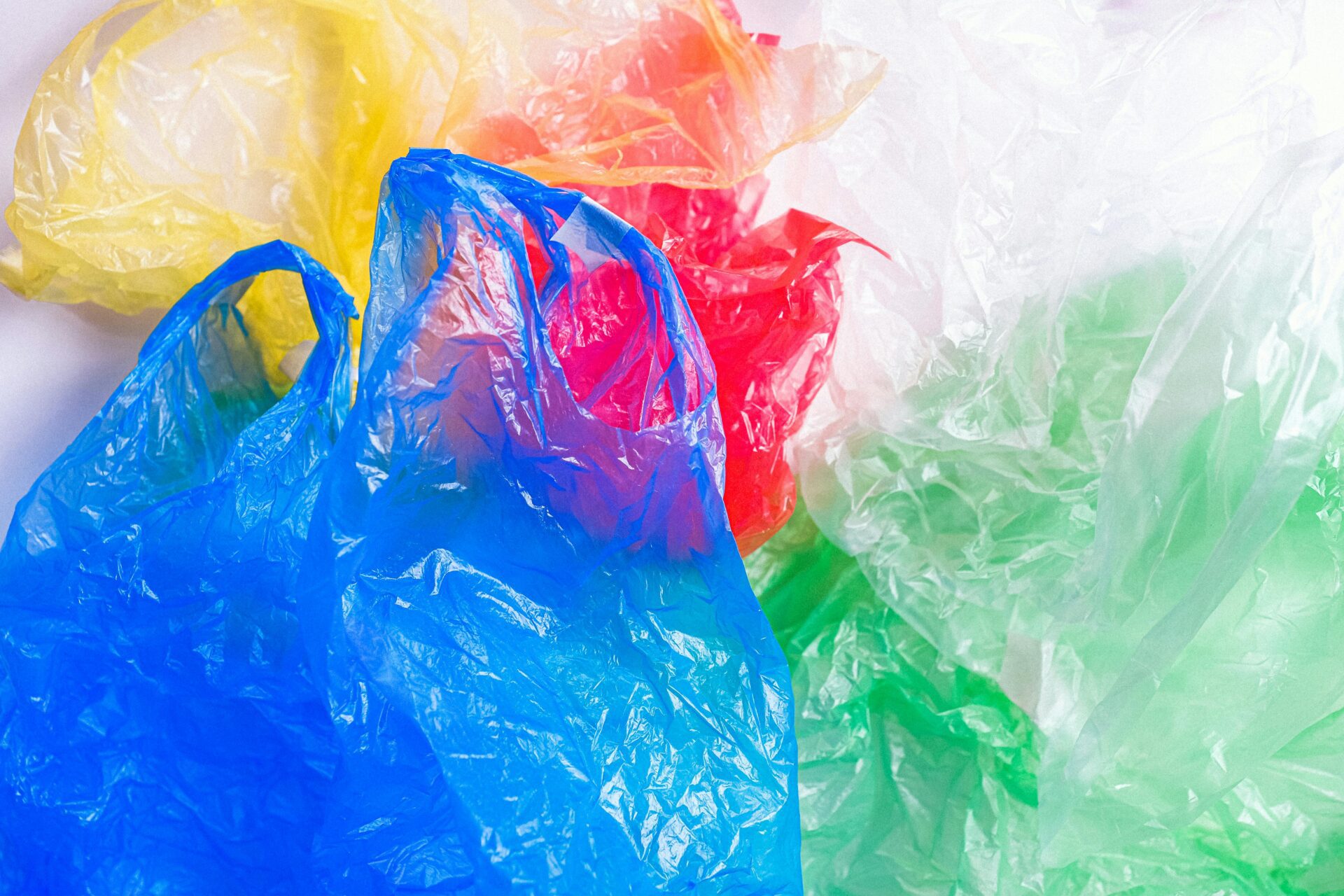


Supermarket plastic bags are a common culprit of pollution. They cannot degrade naturally in the environment and are produced using fossil fuels. Due to their negative environmental impacts, many states have implemented a state ban and cities have implemented a city ban on single-use plastic ban at grocery stores, pharmacies, and other businesses. These measures encourage companies and consumers to choose more sustainable options.
Plastic Bag Bans in the United States
States discourage plastic bag usage by implementing recycling programs, banning single-use plastic bags, and imposing a fee on disposable bags. Preventing plastic bag usage helps keep plastic out of overcrowded landfills and prevents it from entering waterways. There currently is no nationwide ban on plastic bags.
Instead of single-use plastic bags, some businesses sell recycled paper, reusable plastic, and compostable bags. These alternatives are biodegradable or compostable. Bag fees and taxes vary by state, city, and county.
These states have passed legislation regulating the use of disposable carryout bags:
- California
- Colorado
- Connecticut
- Delaware
- Hawaii
- Maine
- New Jersey
- New York
- Oregon
- Rhode Island
- Vermont
- Washington
Additionally, many cities and counties have banned plastic bags, including:
- Boston, MA
- Boulder, CO
- Chicago, IL
- Los Angeles, CA
- Montgomery County, MD
- New York, NY
- Portland, ME
- San Francisco, CA
- Seattle, WA
- Washington, D.C.
Which cities and counties have a plastic bag fee?
- California: Stores must implement a 10-cent minimum charge for single-use plastic bags.
- New York: Customers must pay a 5-cent fee on paper bags—of which 2 cents go to local governments, and 3 cents go toward New York’s Environmental Protection Fund.
- District of Columbia: Consumers pay a 5-cent fee for each plastic and paper bag.
For statewide recycling programs, participants, including California, Delaware, Maine, New York, and Rhode Island, require recycling efforts at retail stores, such as providing an accessible storefront receptacle for used bags. The District of Columbia also holds this requirement.
Should Plastic Bags be Banned?
Regulating and banning plastic bags is a step toward protecting the planet. Along with plastic bags, some states regulate and ban single-use plastics, including straws, bottles, and containers.
The following list covers reasons plastic bags should be banned:
- Contributes to climate change: Plastic bag production relies on fossil fuels and releases greenhouse gases, both of which are leading factors of climate change.
- Fills landfills: It is difficult to sustainably dispose of plastic bags. They take hundreds of years to decompose in landfills and release tiny toxic particles into the earth. Incineration is not an option because burned plastic releases toxic fumes.
- Difficult to recycle: Even when single-use plastic bags are sorted and processed at proper recycling facilities, they are difficult to fully break down, require significant energy, and release chemicals. At these facilities, they can contaminate otherwise recyclable materials.
- Releases microplastics: Microplastics are persistent in the environment, acting as carriers for other pollutants and contaminating the soil, water, and food sources.
- Dangerous to animals: When plastic bags become litter, animals can easily mistake them for food. When consumed, they can block digestive paths and release chemicals harmful to animal health.
The most sustainable alternatives to single-use plastic bags are reusable shopping bags made of natural materials. These bags come in a variety of sizes and designs, and they are durable enough to be used for many years.
It is important for companies to be held accountable for their decisions’ effects on the environment and take steps toward a more sustainable future.
References
- https://calrecycle.ca.gov/plastics/carryoutbags/
- https://tax.colorado.gov/carryout-bag-fee
- https://www.housedems.ct.gov/node/18711
- https://dnrec.delaware.gov/waste-hazardous/recycling/plastic-bags/
- https://health.hawaii.gov/wic/files/2020/05/Mandatory-Plastic-Bag-Ban.pdf
- https://www.maine.gov/dep/news/news.html?id=5010879
- https://dep.nj.gov/get-past-plastic/
- https://portal.311.nyc.gov/article/?kanumber=KA-02484
- https://www.oregon.gov/deq/mm/production/pages/bags.aspx
- https://dem.ri.gov/press-releases/dem-reminds-public-plastic-waste-reduction-act-regulations-go-effect-new-year
- https://dec.vermont.gov/waste-management/solid/materials-mgmt/single-use-products-law
- https://ecology.wa.gov/waste-toxics/reducing-recycling-waste/plastics/plastic-bag-ban
- https://www.ncsl.org/environment-and-natural-resources/state-plastic-bag-legislation


Trace the origin of compostable tableware from ancient leaf plates to modern plant-based materials like bagasse, PLA, and bamboo. Learn how compostable plates and cutlery are made.

Learn how microplastics enter the food chain through water, soil, and packaging. Discover practical steps foodservice operators can take to reduce plastic contamination.

Learn what a carbon footprint is, which greenhouse gases it includes, and how businesses measure emissions using the GHG Protocol. Find practical steps to reduce yours.