

Everything You Need to Know About California’s Straw Ban



The state of California has been committed to managing and reducing plastic waste through various initiatives over the years. Since the ban on single-use plastic bags back in 2014, the state has implemented several strict regulations, including a straw ban. By prioritizing sustainability and environmental protection, California sets an example for other regions in tackling the global issue of plastic waste.
Are Plastic Straws Banned in California?
California did not ban straws. However, there are laws in place that heavily restrict the use of single-use plastic straws in restaurants. Here are some key takeaways about the California straw ban:
- The laws ban full-service and foodservice restaurants from automatically providing plastic straws to customers unless they make a request.
- A full-service restaurant is defined as an establishment where customers sit and eat at the table while staff take their orders.
- A foodservice restaurant is defined as any business in a permanent or mobile location that serves food and beverages.
- Violating the ban can result in a fine of $25 for each day the establishment is in violation, but it may not exceed $300 each year.
Are Straws Illegal in California?
Single-use plastic straws are not illegal statewide, but many cities have banned or restricted their use to reduce plastic waste. The state only allows restaurants to provide straws upon request or offer environmentally friendly alternatives.
These restrictions aim to protect the environment by reducing the amount of plastic waste that ends up in landfills and oceans. While not a blanket ban, the regulations encourage individuals to be more mindful of their plastic consumption and choose reusable or biodegradable options whenever possible.
Everything You Need to Know About Plastic Straw Laws in California
California has passed two regulations to reduce plastic straw waste—Assembly Bill (AB) 1884 and the Los Angeles County Plastic Straws and Stirrers Upon Request Ordinance.
Key Differences
The primary difference between the regulations is that AB 1884 focuses on full-service restaurants—it does not apply to other food establishments, such as fast-food restaurants that operate out of drive-thrus, though many of these establishments are changing their operations to achieve sustainability initiatives. The County Ordinance, on the other hand, covers a broader range of establishments, including bars, food trucks, and temporary food facilities.
The County Ordinance also takes the ban further by including plastic stirrers and prohibiting foodservice establishments from making plastic straws available to customers through a self-serve dispenser.
Enforcement Process
The County of Los Angeles Department of Public Health, Environmental Health Division (DPH-EH) enforces the provisions of these regulations during routine inspections or foodservice restaurant investigations. A state public health officer will issue a notice for the first two violations of the laws. Further violations are punishable by a fine.


The widespread use of single-use disposable cups is a recognized environmental concern. Whether made of plastic or foam, disposable cups…
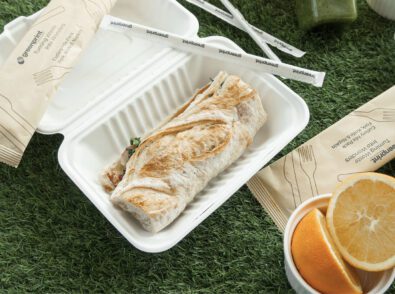
Is it possible to remove single-use products from your foodservice operations? In an industry that relies heavily on disposable foodware,…

Not all compostable cups handle heat the same. A cup that works perfectly for cold brew might fail with hot…