

Heat Resistance in Compostable Cups
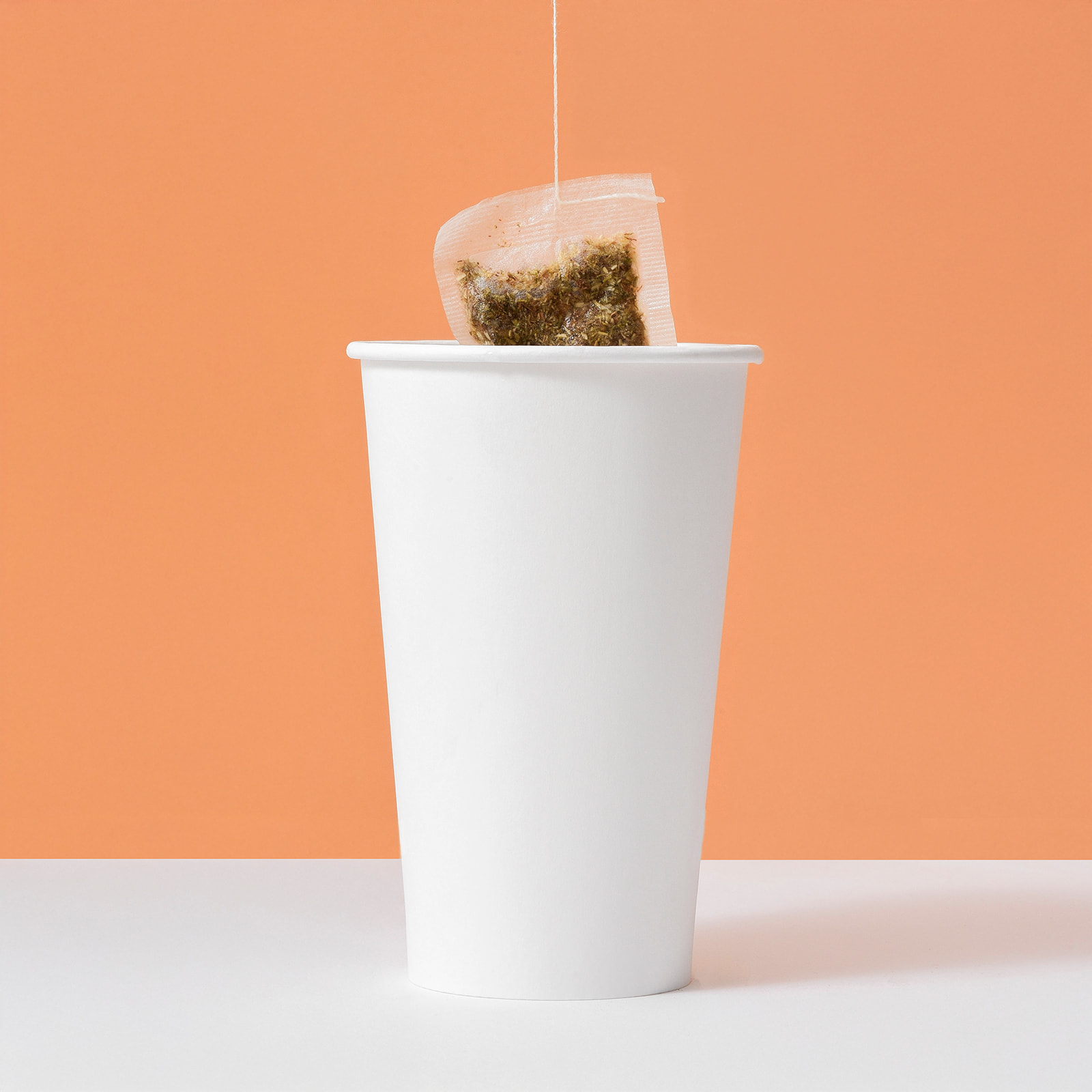


Not all compostable cups handle heat the same. A cup that works perfectly for cold brew might fail with hot coffee. Similarly, a clear polylactic acid (PLA) cup ideal for iced tea may weaken when filled with hot liquids. The difference in performance comes from the materials and construction used in each cup’s design.
Heat resistance depends on the material from which a cup is made, its construction, and whether the coating can withstand sustained contact with liquids at 150°F or higher. Paper-based hot cups and clear PLA options aren’t interchangeable—they’re engineered for different temperature ranges and behave differently under thermal stress.
Choosing the right cup for your needs involves understanding how the materials actually perform in high-volume service.
Why Heat Resistance Matters
Compostable cups must withstand high temperatures without softening, losing strength, or deforming. In a busy, high-volume environment like a cafe, speed, and reliability are critical. Using a high-quality cup that meets these requirements helps your operation run smoothly and efficiently.
Cups must also provide insulation, allowing drinks to stay warm longer. Poor heat resistance can lead to the cup warping or collapsing, increasing the risk of hot liquid spills and customers getting burned. Heat-resistant materials also offer improved insulation, allowing drinks to stay warm for extended periods.
In a busy setting, unreliable cups can cause delays in service, product waste, and customer complaints.
What Determines Heat Resistance in Compostable Cups
The performance of a compostable cup under thermal stress depends on several design elements. Understanding these factors can help your business choose the most practical and effective solutions for your beverages:
- Base materials and coatings: Paper cups for hot service need barriers that resist moisture and maintain structure under heat. Performance varies by formulation and thickness.
- Wall construction: Double-wall designs create insulating air gaps that reduce exterior temperature and add rigidity. Single-wall cups rely solely on coatings, making them more vulnerable to flex.
- Lids and sleeves: Properly matched lids distribute pressure across the rim. Sleeves can eliminate the need for double-wall construction in some instances.
How Compostable Paper Hot Cups Perform With Heat
Compostable cups made from plant fibers like agave and sugarcane bagasse are among the most effective for serving hot beverages. Double-wall construction offers enhanced insulation and improved structural integrity for hot drinks at typical serving temperatures. If you’re running a quick-service operation where customers consume drinks within 10 minutes, single-wall cups paired with sleeves often work effectively.
To get the best performance from compostable paper cups, consider the following:
- Avoid pre-stacking: It’s best to avoid placing hot-filled cups on top of each other. The trapped steam softens the sidewalls, and added stress can cause a collapse.
- Minimize dwell time: When possible, serve beverages to customers within three minutes of the cup being filled.
- Apply lids immediately: Lids help contain heat and maintain structural integrity.
- Reference specifications: Manufacturer spec sheets indicate fill temperatures and hold times.
Durability of Compostable Cups vs. Plastic-Lined Cups
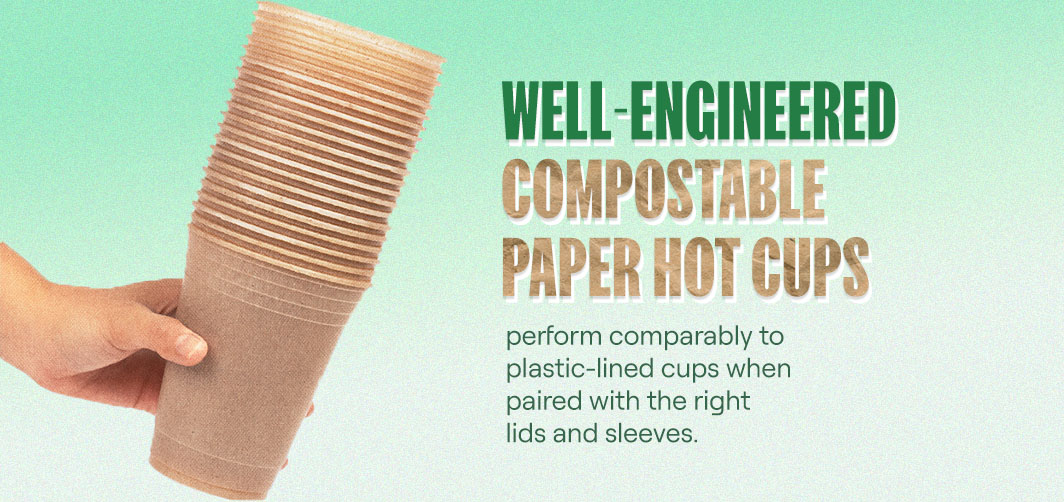
Well-engineered compostable paper hot cups perform comparably to plastic-lined cups when paired with the right lids and sleeves. The primary difference lies in how materials respond to sustained heat—sustainable compostable cups break down naturally, while plastic-lined versions end up in landfills.
During service, both types handle hot beverages effectively for the 15 to 20 minutes most operations require. Lid selection matters significantly. CPLA lids handle hot beverages better than standard PLA, and mismatched combinations create leak points.
Businesses offering delivery should pay extra attention to lid compatibility. PLA clear cups are suitable for cold beverages only and deform above 110°F. Always validate performance claims by referencing supplier specification sheets for specific temperature tolerances and hold times.
Selection Checklist for Restaurants and Multichain Operators
Choosing the best-suited compostable cup for your needs calls for consideration of:
- Beverage profile and fill temperature: Espresso drinks are typically served at a temperature range of 150°F to 170°F. Hot tea reaches 180°F to 190°F. Cold beverages need different material specifications.
- Expected hold time and transport: Dine-in with immediate consumption allows single-wall constructions. Drive-thru and delivery demand double-wall builds that maintain integrity for 20-plus minutes.
- Cup construction and sleeve use: Double-wall construction often eliminates the need for sleeves, helping reduce the items you need in your container inventory. Single-wall with sleeves is a viable option if the price point is more cost-effective.
- Lid material and compatibility: CPLA lids are ideal for hot applications, while standard PLA is sufficient for cold drinks. Verify the lid specs match the cup rim dimensions.
- Storage and handling: PLA, derived from corn starch and other fermentable sugars, deforms when exposed to heat or sunlight. Keep cups in their original packaging as long as possible.
- Certifications and data sheets: Review manufacturer temperature ranges and hold-time specifications. Clarify that BPI certification confirms compostability.
How Greenprint Can Help
Finding the best cups for your business depends on the types of beverages on your menu, your service speed, and whether you offer delivery to customers. Our team can guide you through the options to help identify which materials and designs best meet your performance goals. Contact us today with questions or to request additional information.
References

Nanoplastics vs. microplastics comes down to size. Learn how they differ, why researchers worry more about nanoplastics, and simple ways to reduce exposure.

Earth Day facts that show the scale of the environmental crisis, from plastic and landfill waste to CO2 and wildlife loss. See what the numbers mean for you.

Minnesota plastic ban rules for businesses, including city bag fees, Green To Go takeout packaging, PFAS limits, compostable labels, and EPR dates to plan for.