

How Compostable Cups Keep Your Business Compliant
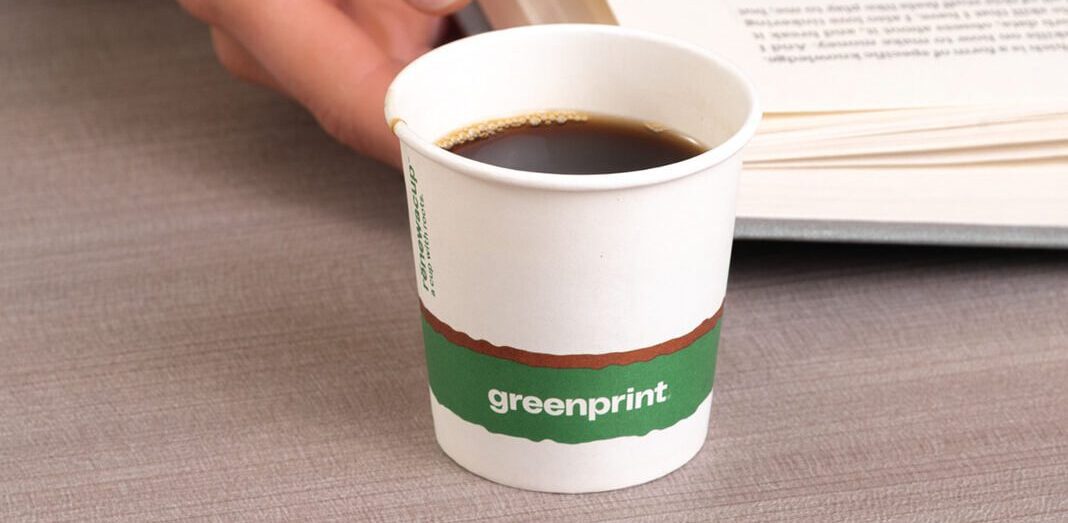


The widespread use of single-use disposable cups is a recognized environmental concern. Whether made of plastic or foam, disposable cups take an extremely long time to break down naturally, with micro-particles actually threatening humans and wildlife. As users become increasingly eco-conscious and regulations tighten, switching to certified compostable cups is an excellent way to future-proof your business, which can have a positive impact on your foodservice operations and the planet.
Here is a breakdown of how compostable cups can help your restaurant business stay compliant and what to consider when making the switch.
Understanding Plastic Ban Legislation and Restaurant Requirements
Across the country, plastic ban legislation is transforming the way restaurants operate. Whether you run a local café or a multi-chain restaurant, noncompliance can lead to more than just a slap on the wrist. Fines for violations can result in significant penalties.
While there’s currently no sweeping federal ban on single-use plastics, local and state governments are moving fast to fill the gap. Examples include:
- California: SB 54 requires that all forms of single-use packaging and foodware be compostable or recyclable by 2032.
- Florida:Several Florida cities are taking action to eliminate unnecessary plastic products.
- New York:Expanded restrictions throughout New York have banned polystyrene foam and are pushing to control plastic waste.
Why Composting and Compliance Matter for Restaurants
Composting is nature’s way of recycling. This process describes the breakdown of the materials used to make a compostable cup into carbon dioxide, water, and biomass in a composting environment. Most compostable materials used in restaurants and foodservice businesses must be sent to a commercial composting facility, where they can break down under specific conditions of heat and moisture over several months.
Staying ahead of these regulations is about more than avoiding penalties. Forward-thinking businesses can experience the following competitive advantages by switching to compostable cups and packaging:
- Reach sustainability initiatives: Composting is one of the most powerful actions your business can take to reduce waste in landfills and build healthy soil.
- Promote brand reputation: Demonstrating environmental responsibility builds trust with customers by making a statement that you’re committed to responsible, sustainable practices.
- Future-proof your business: Regulations are evolving rapidly. Adopting compostable solutions now ensures your restaurant is prepared for stricter laws and avoids last-minute operational disruptions.
Compostable Certifications to Look For
A wide range of compostable cups is available on the market, offering an alternative to single-use plastic or polystyrene foam. Yet, for cups to be considered compliant, they must meet specific, verifiable standards to prove they are compostable. Some of the most common include:
- ASTM D6400: This American Society for Testing and Materials (ASTM) standard is used to ensure that products, such as compostable cups, break down in a composting facility without emitting harmful substances into the environment.
- BPI certification: Third-party certification from the Biodegradable Products Institute ensures the material meets industrial composting standards. Look for the BPI Certification Mark, which indicates the end-of-life opportunity for a compostable cup.
- TUV certification: Issued by Technischer Überwachungsverein Austria, this is a trusted mark of quality that verifies a product meets strict compostability standards. Look for the “OK compost INDUSTRIAL” seal to find cups certified for commercial composting and the “OK compost HOME” seal for those approved for home compostability.
Transitioning Your Business to Compostable Cups
By switching to compostable cups, you can build a smarter, more resilient operation that’s ready for today’s regulations and tomorrow’s challenges. Here’s how you can facilitate a seamless transition for your business.
1. Examine Your Cup Requirements
First, evaluate your disposable cup usage and functional requirements. This includes cataloging all cup types and sizes currently in use—hot, cold, specialty, and lids.
2. Confirm Compostability Certification
Businesses seeking compostable cups must confirm that a supplier’s products are tested under real composting conditions and compliant in their region. You can trust the certifications mentioned above, as a marked logo indicates that products are made from genuinely compostable materials that comply with waste management regulations.
3. Set Up Collection Systems
Compliance also requires a proper waste management system. Compostable cups must be collected separately in designated composting bins—not standard trash or recycling bins. Clear labeling and customer information on how to dispose of cups correctly are crucial to your compost program. Once they are collected, you must then ensure all compostable materials are sent to an industrial composting facility.
Stay Ahead of Plastic Bans With Greenprint
By proactively switching to certified compostable cups and packaging, you can ensure your restaurant remains compliant, competitive, and ready for any new legislation that may arise. Make the switch to compostable cups with Greenprint. With our recent BPI and TUV certifications, you’ll receive products that meet the highest standards for compostability and safety.
We invite you to explore our selection of home compostable and industrial compostable products. Ready to get started? Contact us today to discuss compostable packaging for your foodservice business.


Nanoplastics vs. microplastics comes down to size. Learn how they differ, why researchers worry more about nanoplastics, and simple ways to reduce exposure.

Earth Day facts that show the scale of the environmental crisis, from plastic and landfill waste to CO2 and wildlife loss. See what the numbers mean for you.

Minnesota plastic ban rules for businesses, including city bag fees, Green To Go takeout packaging, PFAS limits, compostable labels, and EPR dates to plan for.