

Implementing Compostable Products in Your Business
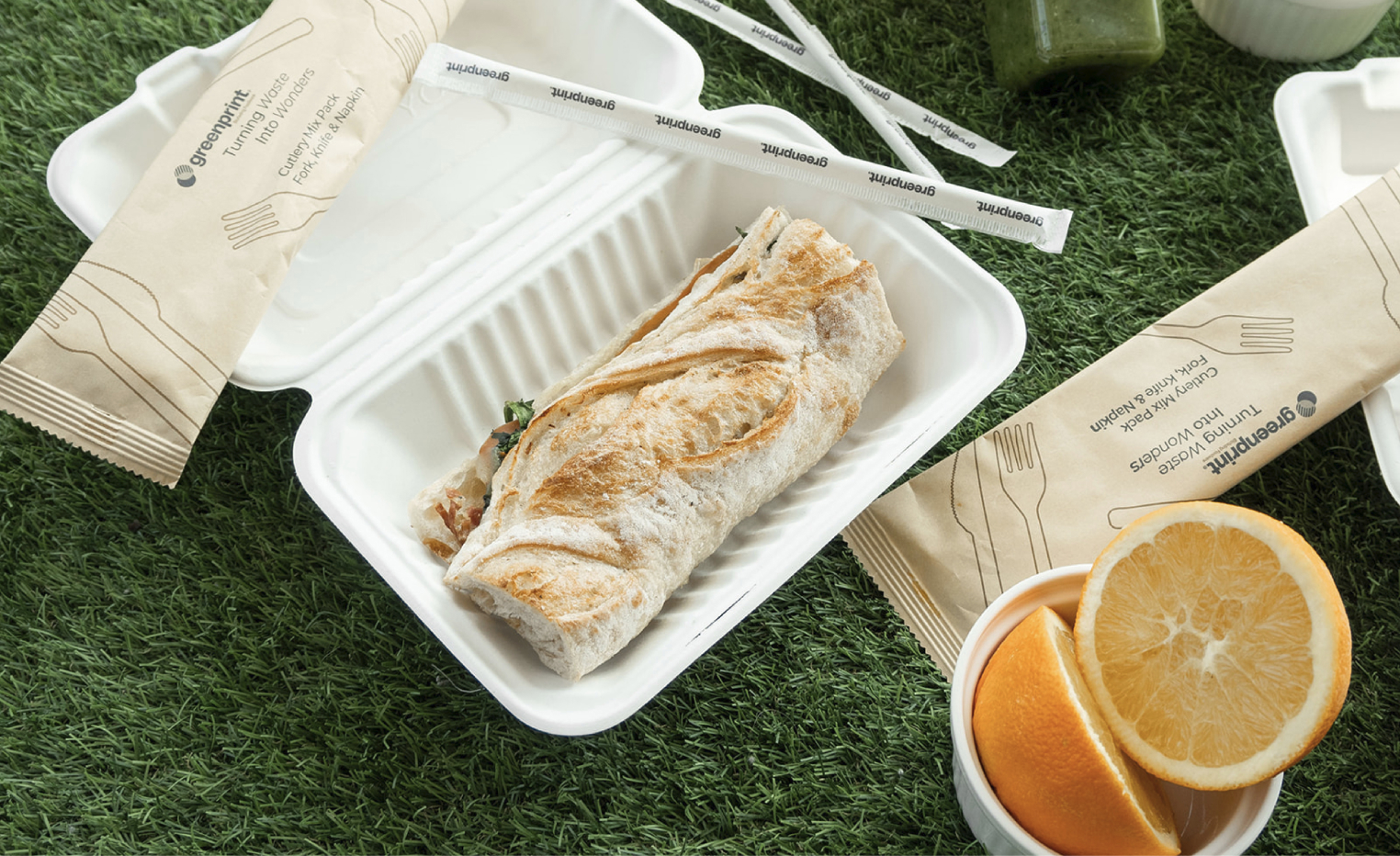


Is it possible to remove single-use products from your foodservice operations? In an industry that relies heavily on disposable foodware, using compostable packaging offers environmental benefits, such as diverting waste from landfills. Compostable product packaging is made from materials that can be broken down into natural substances when composted, providing a sustainable end-of-life opportunity.
If you want to enhance your brand image and attract a growing consumer base of eco-conscious food enthusiasts, it may be time to implement a composting program. So, what’s the best way to get started, especially if you’re a small business owner?
Why Compostable Product Packaging Matters for Your Small Business
Compostable packaging is a smart, future-focused move, especially for small foodservice businesses looking to thrive in a competitive and changing market. Here are just a few of the benefits establishing a composting program could bring to your business:
- Environmental impact: By choosing alternatives to single-use plastics and packaging, your business is taking an active role in reducing landfill waste and supporting a healthier planet.
- Compliance: More states and cities are tightening environmental regulations by phasing out single-use plastics. Certified compostable packaging makes it easier to adapt to new plastic bans and laws as they arise.
- Customer experience: Modern diners are more eco-conscious than ever before. Offering compostable packaging signals that you share their values, which can influence everything from customer reviews to brand loyalty.
Business Compostability in 5 Simple Steps
If you want to implement compostable packaging into your foodservice business, here are five tips to help you get started.
1. Evaluate Your Current Packaging and Waste Streams
Before making the switch to compostable packaging, you need a clear picture of what you’re currently using—and where it all ends up. Start by taking a thorough inventory of every type of packaging used in your operations. This includes:
- Takeout containers
- Plates
- Cups
- Cutlery
- Straws
- Bags
- Specialty wrappers
For each item, note the material and how it’s disposed of after use. Identifying which items are creating the most waste gives you a valuable peek into your business’s environmental impact while providing you with your top candidates for replacement.
2. Understand the Benefits of Composting vs. Recycling
When it comes to sustainable packaging, it’s important to understand the strengths and limitations of both composting and recycling. This allows you to make informed decisions that maximize your environmental impact.
- Composting: This is ideal for packaging made from organic materials that can break down into nutrient-rich soil and divert waste from landfills. Composting is especially effective for foodservice operations, where packaging often comes into contact with food residue that can contaminate recycling streams.
- Recycling: This works best for clean, single-material items such as certain plastics, glass, or metals. Many foodservice disposables are either too contaminated or made from mixed materials, making them difficult or impossible to recycle effectively.
3. Research Certified Compostable Products
Compostable refers to a specific category, and the laws classifying these types of packaging products are quite strict. Certified compostable products are designed to decompose in commercial composting facilities or in a typical home compost bin. In the U.S., the American Society for Testing and Materials (ASTM) International establishes the requirements designed to be composted in industrial and municipal facilities.
Products that can claim compostability must receive certification by undergoing precise tests. So, look out for the following certification seals:
- BPI (Biodegradable Products Institute) for industrial composting in the U.S.
- TUV Austria’s OK compost HOME and INDUSTRIAL certifications, which are globally recognized.
4. Partner With a Trusted Supplier
In a marketplace crowded with eco-conscious claims, transparency is nonnegotiable. You need a partner that stands behind their products with responsible sourcing and ongoing support.
Greenprint is committed to helping you build a truly sustainable operation that benefits both your business and the planet. Our compostable products are backed by leading certifications like BPI and TUV. We also maintain a fully traceable supply chain, so you know what you’re offering your customers.
5. Update Your Waste Management Systems
Empower your team and your customers to make your compostable program a success. Many people are unaware of how industrial composting works, so be prepared to bring everyone along on your sustainability journey. Proper separation is key. Make sure compostables don’t end up in the trash or recycling by providing clear instructions.
You can do this by:
- Setting up clearly labeled composting bins.
- Using in-store signage that shows guests and staff how to dispose of items properly.
- Coordinating with local composting facilities so that packaging is collected and processed correctly.
Make the Switch to Compostable Packaging With Greenprint

At Greenprint, we’re passionate about helping restaurants and small businesses make a real impact—one sustainable product at a time. Our certified compostable packaging is designed for performance, helping to future-proof your compliance standards while supporting a healthier planet.
Explore our full range of disposables. Need help? Contact us today to discover how we can support your journey toward compostability.
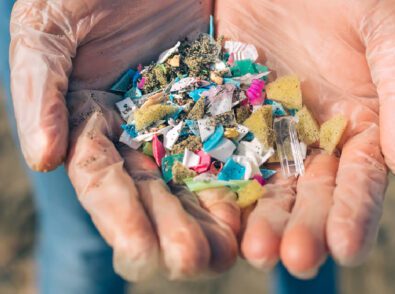

Learn how to avoid microplastics with easy swaps for your water, food, and kitchen, plus certified compostable foodware that cuts plastic in the waste stream.

Many meaningless eco certifications are just marketing. Learn the three signs of a real, third-party certification and how to verify one before you trust it.

The EU PPWR Packaging Regulation 2026 applies from 12 August. Learn who it affects, the key deadlines, and how to prepare compliant food packaging today.