

All About Florida’s Plastic Regulations
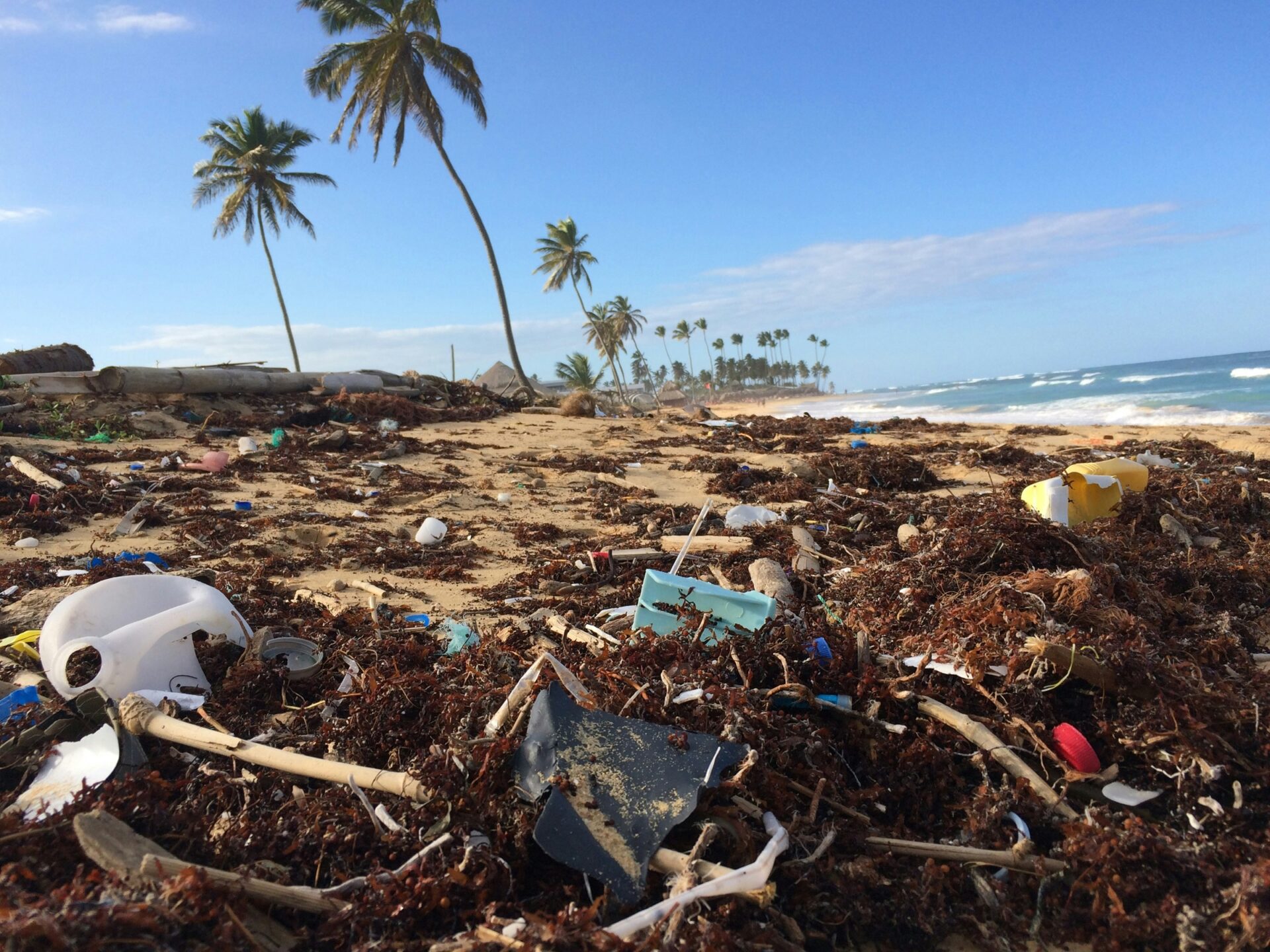


Plastic bags may be inexpensive to produce and convenient to use, but they are a major source of pollution. When plastic finds its way to land and waterways, it does not properly decompose. Over long periods, it breaks down into microplastics, releases toxic chemicals, and endangers wildlife. Consequences persist even when plastic bags are thrown away and recycled—plastic bags struggle to degrade in landfills, and the recycling process is difficult and costly.
The long-term environmental and health risks prompted over 500 cities and 12 states to initiate single-use plastic bag and bottle bans. Learn how cities in Florida are trying to combat plastic pollution.
Florida Plastic Bag Bans
Florida’s coastlines are home to palm trees, sandy beaches, marine life, along with plastic pollution. We may only briefly use a plastic product, but it stays in the environment for much longer. The Sunshine State’s plastic bag laws see ongoing debate at the state and city levels.
State
There are no statewide Florida plastic regulations. The Energy, Climate Change, and Economic Security Act that passed in 2008 prohibits local governments from banning, regulating, and taxing single-use plastic products. Today, several Florida cities have local regulations and are fighting the state’s preemptive ban on local governments’ plastic bans.
City
Despite the 2008 bill, Florida plastic bans are possible for cities. Preemptive laws don’t cover plastic utensils and straws, so cities can choose to prohibit their sale and distribution. City buildings, beaches, and events can ban the usage and sale of single-use plastics like polystyrene products, bags, and containers on public property.
For example, although there are no statewide Florida plastic bottle bans, Miami Beach requires the foodservice and tourism industry to provide sustainable alternatives, such as aluminum bottles. Miami offers educational programs to businesses and implements fines when the plastic restriction is not followed.
These cities are some other areas taking action to eliminate unnecessary plastic products:
- Daytona Beach
- Delray Beach
- Fort Lauderdale
- Gainesville
- Hallandale Beach
- Jacksonville
- Miami
- Orlando
- St. Petersburg
- Tampa
- West Palm Beach
Take Action
State legislature proposed bill SB 1822/HB 565 to prevent local governments from passing and enforcing antiplastic policies for their own public and government property. This bill failed in 2024 and was filed again in 2025. If it passes, it would be a step backward in the fight against plastic pollution. Tell your representatives to vote “no” on SB 1822/HB 565.
In the meantime, businesses and residents can find ways to reduce their consumption of single-use plastics. You can implement the following sustainable practices today:
- Shop with reusable bags made of renewable materials.
- Drink water from reusable and refillable bottles.
- Choose plant-based disposable cutlery.
- Purchase items with minimal plastic packaging.
- Utilize your area’s local recycling programs.
If you already have plastic bags in your possession, find ways to reuse them. They can function as small trashcan liners and for scooping pet waste.

Illinois plastic bans and regulations explained: hotel bottle law, Chicago bag tax and foodware rules, local bans, and pending bills. Plan your compliance now.

Learn how to reduce carbon footprint at home with simple steps for energy, heating, food, and waste. Start with easy swaps your whole household can keep up.

Are styrofoam cups safe? See how styrene, heat, microwaving, and reuse change foam cup safety, and find foam-free cup options for hot and cold drinks.