

Santa Monica Plastic Regulations
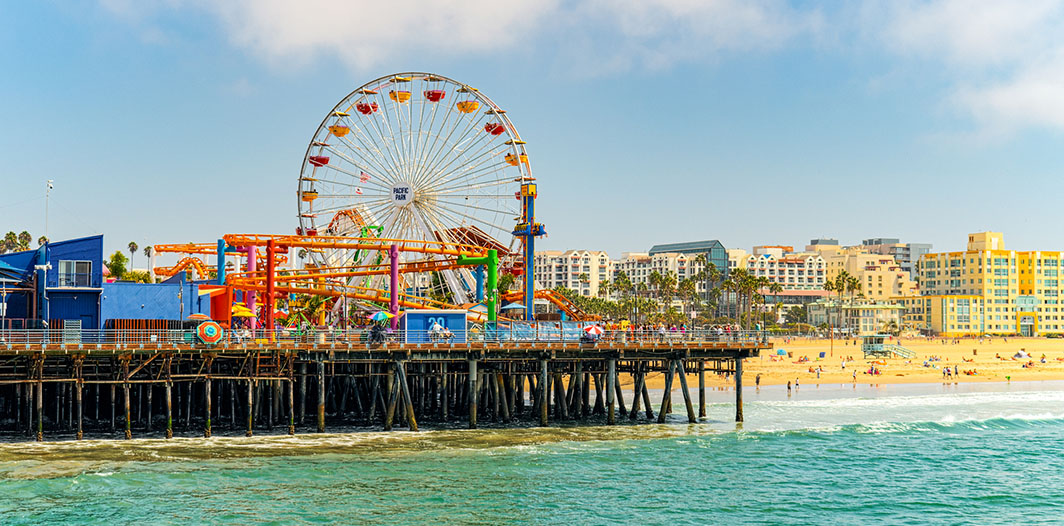


The city of Santa Monica has a longstanding commitment to the environment, and it’s set a goal to achieve zero waste by 2030. It plans to do this through regulations promoting various sustainable methods, including diversion, composting, and recycling.
Why Plastic Regulations Are Necessary
Single-use plastics pose dangers to our health and the ecosystems we rely on for survival, with microplastics seeping into our drinking water and food over time. Current plastic manufacturing and consumption are unsustainable, and at the current rate, we are facing an environmental collapse in the coming decades. Regulations can help curb this over-reliance on disposable plastics and stabilize our environment.
What Is the Santa Monica Plastics Ban?
Santa Monica is a beach city, so it’s easy for single-use plastics to find their way into the ocean, posing severe risks to the local marine wildlife and people’s livelihoods. Santa Monica has been consistently breaking ground by being one of the first cities to start the battle against plastics, forbidding polystyrene food containers and single-use plastic bags in 2011. In 2018, the city changed regulations to include all single-use plastics for prepared foods. The council ensured the regulations restricted items such as straws, utensils, plates, bowls, stirrers, and cups.
The city council made these decisions to protect Santa Monica Bay from plastics and decrease landfill waste, moving closer to its zero waste by 2030 goal.
Who Does the Ban Affect?
The ban will apply to all food and beverage providers to help ensure Santa Monica’s plastic reduction. Any individual, business, organization, or group providing prepared food and beverages within the city must abide by these regulations or face fines.
A key point to remember is that providers must make marine-degradable disposable straws and utensils available only on demand to further reduce the consumption of single-use products.
Explore Greenprints’ Solutions
Greenprint aims to ease this transition by offering effective alternatives like agave and sugarcane fiber takeaway packaging, which is compostable, heat- and leak-resistant, and sturdy.

Maryland’s plastic ban runs county by county. See which single-use plastic rules and bag fees apply to your business and how to stay compliant today.
Microplastics in the ocean come mostly from land-based plastic. Learn how they get there, why they matter for marine life, and simple ways to cut plastic waste.

Massachusetts plastic ban rules vary by town. See which single-use plastics are restricted, how paper bag fees work, and how your business can comply.