

Types of Materials Used for Disposable Cups
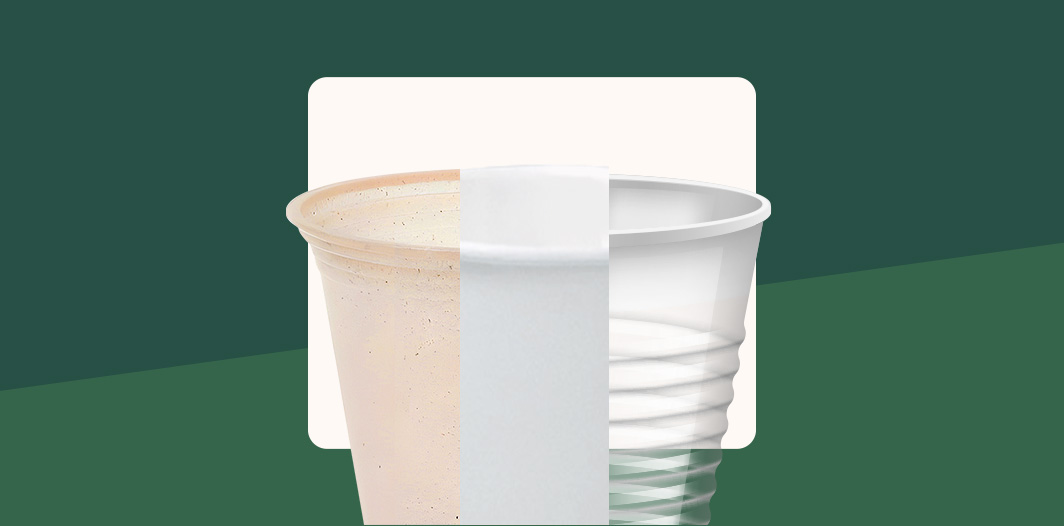


Types of Materials Used for Disposable Cups
Choosing the right disposable cups comes down to a few practical decisions: hot or cold beverages, your budget, and how each cup gets disposed of after use. Get those right and you’ll balance performance, cost, and sustainability across your operation.
Here we break down the different types of disposable cups by material, covering their characteristics, strengths, and trade-offs so you can match the right cup to your needs.
| Cup Material | Description | Key Features | Environmental Impact |
|---|---|---|---|
| PET (Plastic) | Polyethylene Terephthalate | Transparent, shatterproof, durable, lightweight, cost-effective | Widely recyclable |
| PP (Plastic) | Polypropylene | Durable, flexible, chemical/heat resistant, good moisture barrier | Less transparent than PET |
| PLA (Plastic) | Polylactic Acid (Bioplastic) | Compostable (industrial), renewable sources (sugarcane, cornstarch), liquid-resistant lining for paper cups | Requires industrial composting, not reusable |
| Agave | Upcycled agave fibers | Strong, durable, made with upcycled agave fiber | Blue Dot pairs agave fiber with min. 50% recycled plastic (not compostable) |
| Cornstarch | Plant-based | Non-toxic, food-safe, chemical-free, renewable | Less durable than plastic |
| Bamboo | Fast-growing plant | Renewable, thrives with less water/fertilizer, natural insulation | Lightweight, durable |
| Sugarcane | Bagasse (sugarcane fiber) | Durable, compostable (industrial), water/grease resistant, superior insulation | Can withstand microwaving |
| Single-Wall Paper | Paperboard (wax/plastic layer) | Lightweight, versatile, budget-friendly | Customizable, single-layer construction |
| Double-Wall Paper | Two layers of paperboard | Better insulation/durability than single-wall, added protection for hot drinks | Customizable, plant-based options |
| Foam (Polystyrene) | Expanded Polystyrene (EPS) | Cost-effective, superior insulation, portable | Not compostable, not generally recyclable |
| Polystyrene (HIPS) | High-Impact Polystyrene | Excellent insulation/durability, shatterproof, crack-resistant, transparent, lightweight, stackable | Not compostable or widely recycled |
Plastic Cups
Arguably the most popular type of disposable cup on the market, disposable plastic cups are portable substitutes for traditional drinking cups. Lightweight and convenient, they offer businesses a cost-effective alternative to glassware. They’re also widely recyclable.
Polyethylene Terephthalate
Polyethylene terephthalate (PET) is commonly used for disposable cups, particularly for cold beverages. Known for its transparency, PET provides a clear view of the contents, making it a favorite among consumers.
The shatterproof material offers durability while being lightweight. It’s cost-effective and easily recyclable.
Polypropylene
Polypropylene (PP) is another economical option for disposable drink cups. Like PET, it also offers durability and flexibility.
PP has strong chemical and heat resistance, making it suitable for containers and packaging in the foodservice industry. Although less transparent than PET, it provides a good barrier to alcohol and moisture.
Polylactic Acid
Polylactic acid (PLA) is a compostable bioplastic used to produce disposable cups. It comes from renewable sources such as sugarcane and corn starch. PLA also lines paper cups, providing a liquid-resistant barrier for hot and cold beverages.
Unlike other plastic cups, PLA cups are compostable, but only at a commercial composting facility that maintains 55 to 60°C. They will not break down in a backyard bin or a landfill. We don’t recommend reusing or washing them, given the risks of releasing microplastics under hot-water exposure documented in the Chemical Engineering Journal.
Compostable and Plant-Based Cups
Compostable cups are plant-based alternatives to conventional plastic. Made from renewable materials, they’re designed to break down under specific composting conditions, which we spell out for each material below.
Agave
Our Agave-based cups offer a distinctive alternative to conventional plastic, wood, and paper drinking cups. Agave fiber is upcycled from post-tequila agricultural waste, a raw material with no competing use. It brings real strength and durability to cups, cutlery, and other foodservice items.
Greenprint®’s Blue Dot Upcycled Agave Cups pair upcycled agave fiber with a minimum of 50% post-consumer recycled (PCR) plastic in a compound we produce in-house. Because the PCR content is not compostable, we position these cups on their recycled-material story rather than end-of-life claims. It’s two reclaimed waste streams combined into one durable cup.
Cornstarch
Cornstarch is another plant-based option, providing a non-toxic, food-safe, and chemical-free replacement for drinking cups. It’s made from a renewable source and lessens reliance on petroleum-based products.
Though they’re less durable than plastic cups, cornstarch cups are strong enough to fulfill their function. They’re lightweight and leak-proof, making them ideal for transporting hot and cold drinks.
Bamboo
Bamboo is a fast-growing plant that can be harvested without replanting. It’s a renewable resource that can thrive with less water and even without fertilizers, making it a sustainable option for producing bamboo cups.
It has natural insulation that keeps beverages hot or cold longer than many disposable cups. Lightweight and durable, bamboo cups are ideal for on-the-go use.
Sugarcane
Sugarcane-based cups are made from bagasse, the leftover fiber from sugarcane juice extraction. They’re a sustainable substitute for plastic cups, offering durability, industrial compostability, and resistance to water and grease.
Sugarcane-based cups also provide superior insulation for hot and cold beverages, and they can withstand reheating in the microwave. Bagasse is the same fiber family behind our Fiberware™ clamshells, plates, and bowls, though that’s a separate product line from our agave-based cups.
Paper Cups
Our Paper cups are usually made from paperboard with a thin layer of wax or plastic. They’re meant for single use and work for both hot and cold beverages. Disposable paper cups are popular for their affordability, portability, and easy disposal.
Our Renewacups™ raise the bar for hot cups. Made with Foopak Bio Natura, they’re 98.75% plastic-free, verified by Flustix and Control Union. They’re also Intertek-verified PFAS-free across 62 compounds and certified industrial and home compostable by ISEGA.
Single-Wall
Single-wall paper cups are known for their single-layer construction. Lightweight and versatile, this type of disposable cup is suitable for hot and cold beverages and costs less to manufacture. Their budget-friendliness makes single-wall paper cups ideal for customization and brand marketing.
Double-Wall
Double-wall paper cups, on the other hand, are typically designed with two layers of paperboard. Their construction traps air between the layers, providing better insulation and durability than single-wall cups.
The thicker composition also adds protection for hot drinks, reducing the need for cup sleeves. Like single-wall cups, double-wall types are highly customizable and can be produced from renewable, plant-based materials.
Foam Cups
Foam cups are among the most cost-effective disposable cups to produce. Made of expanded polystyrene (EPS), they’re cheaper to manufacture than paper and plastic cups while offering strong insulation and portability.
On the disposal side, however, EPS foam cups aren’t accepted in most residential recycling programs, according to Washington’s Department of Ecology. A growing number of US states have also banned EPS foodservice foam, including New York, which banned disposable foam food service containers such as cups. Washington enacted a similar foodservice foam ban that took effect in June 2024.
Polystyrene Cups
Made of high-impact polystyrene (HIPS), polystyrene cups offer excellent insulation and durability with shatterproof, crack-resistant properties. Like PET cups, they’re transparent, letting consumers see the contents.
They’re also lightweight and stackable, which aids portability and storage. However, polystyrene cups are not compostable and are rarely accepted for recycling under ASTM standards, making them a poor choice for reducing plastic pollution.
How to Choose the Right Disposable Cup
Each disposable cup material offers unique strengths and trade-offs. The right choice comes down to your priorities as a brand or operator. Here are a few things to weigh when selecting a disposable cup for your business:
- Assess your priorities. Choose sustainable plant-based cups like agave for lower impact, or polystyrene and PET for durability.
- Consider your budget. Foam and paper cups cost less to produce, while plant-based cups like agave and bamboo deliver long-term savings and sustainability.
- Determine the intended use. Paper cups suit branded events with low-cost customization, while agave cups come in varied shapes and sizes.
Some materials have the upper hand on cost and ease of use, while others prove a more sustainable choice over the long run.
If you want a cup that balances performance with a strong material story, our agave cups pair upcycled fiber with recycled content and dependable durability. Read Greenprint’s guide to buying disposable cups for more on choosing the right drinking cups.
Choose Sustainable Disposable Cups With Greenprint®
Greenprint is committed to providing foodservice operators with sustainable options for cups, cutlery, and packaging. Our agave drinking cups and other plant-based products give businesses a practical way to elevate their service without the high costs.
Contact our team to talk through the right cup for your operation, or Explore our sustainable solutions in our online store.
Frequently Asked Questions
What Are the Main Types of Disposable Cups?
The main types are plastic cups (PET, PP, and PLA), plant-based and compostable cups (agave, cornstarch, bamboo, and sugarcane), paper cups, and foam or polystyrene cups. Each material differs in cost, performance, and how it should be disposed of.
What Is the Difference Between Hot Cups and Cold Cups?
Hot cups, like our Renewacups™ paper cups, are built to insulate and hold heat safely, while cold cups, like our Clearly Compostable™ PLA cups, are made for chilled drinks and clarity. Match the cup to the beverage temperature to avoid warping or leaks.
Are Compostable Cups Better Than Plastic Cups?
It depends on your local infrastructure. Compostable cups reduce reliance on virgin plastic, but PLA cold cups like our Clearly Compostable™ line require an industrial composting facility (55 to 60°C), so they’re only the better choice when that facility is available.
Do Compostable Cups Need an Industrial Composting Facility?
Most do. Our Clearly Compostable™ cold cups carry BPI Industrial and TÜV Austria OK Compost INDUSTRIAL certification, which requires a commercial facility operating at 55 to 60°C, and they won’t break down in a backyard bin or landfill.
Are Disposable Cups Safe for Hot Drinks?
Yes, when you choose the right cup. Our Renewacups™ paper cups are Intertek migration-tested safe for hot beverages up to 220°C, while PLA cold cups are designed for chilled drinks instead.

Earth Day facts that show the scale of the environmental crisis, from plastic and landfill waste to CO2 and wildlife loss. See what the numbers mean for you.

Minnesota plastic ban rules for businesses, including city bag fees, Green To Go takeout packaging, PFAS limits, compostable labels, and EPR dates to plan for.
Reduce reuse recycle explained in plain terms. Learn what each of the 3 Rs means, why the order matters, and how compost completes the set as the 4th R.