

How to Avoid Microplastics: 7 Everyday Swaps


Content
- What Are Microplastics and Where Do They Come From
- Stop Heating and Storing Food in Plastic
- Choose Tap Water Over Bottled Water
- Cut Back on Processed and Packaged Food
- Swap Synthetic Fabrics and Adjust Your Laundry
- Reduce Microplastics in Your Home's Air and Dust
- Choose Certified Compostable Foodware for Takeout
- Frequently Asked Questions
How to Avoid Microplastics: Simple Everyday Swaps
Learning how to avoid microplastics can feel overwhelming, but the fix is simpler than you might think. You can’t dodge these tiny particles completely. A handful of daily swaps still cuts your exposure in a real way. The biggest sources are plastic that touches your food, bottled water, and synthetic fabrics.
This guide walks through the swaps that matter most. Each one is small on its own. Together, they make a clear difference in what you eat, drink, and breathe.
What Are Microplastics and Where Do They Come From
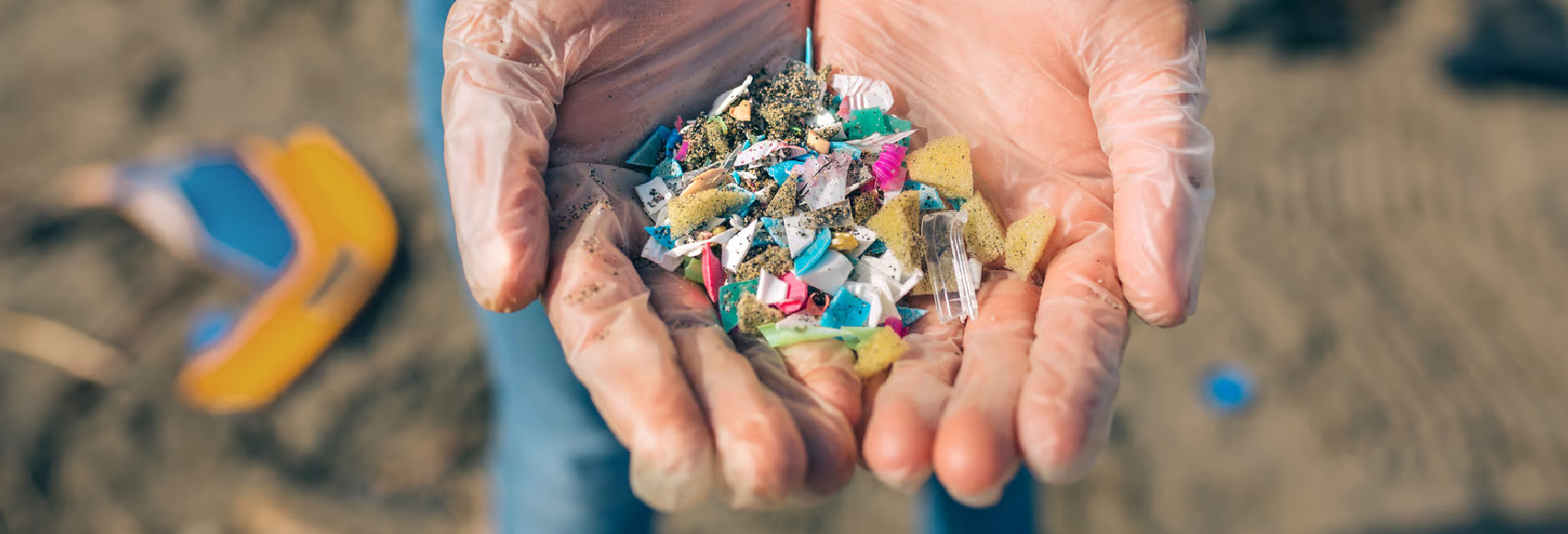
Microplastics are tiny plastic particles, often smaller than a grain of rice and sometimes too small to see. They form when larger plastic items break down over time. As they break apart, they shed into our food, water, and even the air we breathe.
Some microplastics start out tiny, like the microbeads once used in scrubs. Others break off from bottles, packaging, and single-use foodware like plastic-lined disposable cups. For a full breakdown, see our guide to the primary and secondary types of microplastics.
Once loose, these particles travel far. They move through soil and water, then work their way onto our plates, a journey covered in our guide to how microplastics enter the food chain. Government researchers now track microplastics in the environment across oceans, soil, and air.
You won’t see most of this happening, since the particles are far too small to spot. That invisibility is exactly why they are easy to ignore. The good news is that most exposure traces back to a few everyday habits you can change.
Stop Heating and Storing Food in Plastic
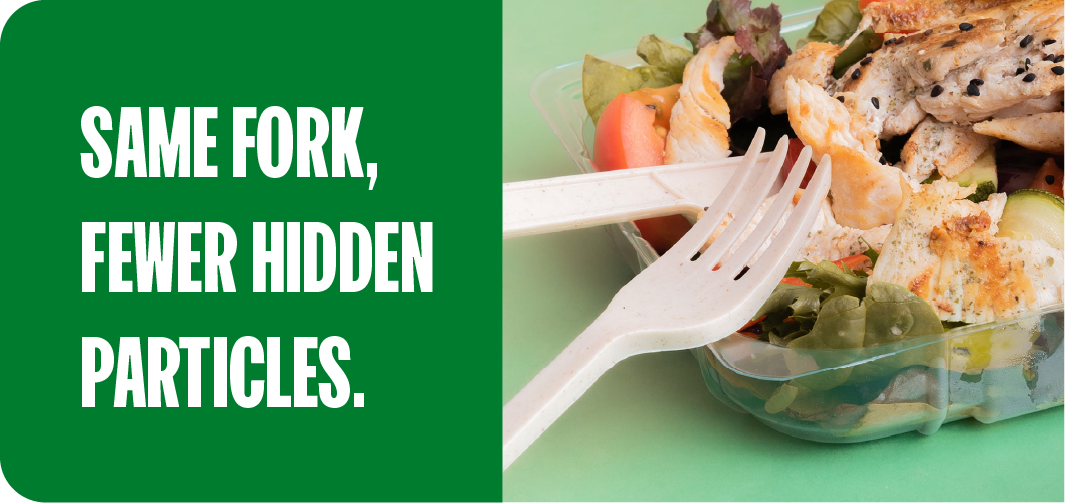
The single highest-impact swap is keeping plastic away from your food, especially when heat is involved. Heat makes plastic shed more particles. This is one of the clearest ways to learn how to avoid microplastics in food.
Never microwave food in plastic containers. Move your meal to a glass or ceramic dish first. Reheated takeout containers are a common culprit, so transfer those too. For dining out, look for plastic-free foodservice alternatives. Skip the dishwasher for plastic tubs, since high heat wears them down faster.
Small kitchen habits add up. Try these swaps:
- Store leftovers in glass or stainless steel instead of plastic tubs.
- Replace plastic cutting boards with wood or bamboo, which don’t flake into food.
- Swap plastic spatulas and spoons for metal or wooden tools.
- Skip nonstick pans that are scratched or peeling.
These changes cost little and last for years. They also cut down on plastic waste in your kitchen.
Glass, ceramic, and stainless steel are the safest picks for anything that meets heat. Once you make the switch, it becomes second nature.
Choose Tap Water Over Bottled Water
Bottled water is a known source of microplastics, so many people switch to filtered tap water. Plastic bottles can shed particles, especially with heat and time. The EPA continues to study microplastics in water, and cutting plastic contact is a sensible step for anyone asking how to avoid microplastics in water.
Fill a stainless steel or glass bottle with filtered tap water. A quality water filter helps trap particles and improves taste. Look for a filter that lists particle or sediment removal on the label, not just taste.
Heat and sunlight speed up shedding, so never leave plastic bottles in a hot car. Refilling single-use bottles also wears them down, which releases more particles. A sturdy reusable bottle avoids that problem entirely.
This one swap saves money and cuts plastic waste over time. It also gives you control over your water quality at home. A reusable bottle pays for itself within weeks.
Cut Back on Processed and Packaged Food
Microplastics have turned up in a wide range of foods. The FDA is studying how they get there, as covered in its overview of microplastics in foods. Much of the exposure appears to come from broad environmental contamination rather than one single source.
Favor fresh, whole foods whenever you can. Buy produce loose instead of shrink-wrapped. Choose glass-packaged options over canned goods, since many can linings contain plastic. It helps to understand compostable food packaging materials when you shop.
A few simple shifts help here:
- Cook from scratch to skip heavily packaged meals.
- Pick glass jars over plastic tubs at the store.
- Rinse and store produce in cloth or paper, not cling film.
- Choose loose-leaf tea, since some tea bags are sealed with plastic.
Cooking from scratch is a health-positive swap that also lowers your plastic contact. Your grocery cart is one of the easiest places to start.
Swap Synthetic Fabrics and Adjust Your Laundry
Synthetic fabrics like polyester, nylon, and acrylic shed tiny plastic microfibers. These come loose in the wash and settle into your home and water. Choosing natural fibers is a smart move if you want to know how to eliminate microplastics from your life.
Pick cotton, wool, linen, or hemp when you shop for clothes and bedding. Natural fibers matter most for items close to your skin, like sheets and pajamas. Buying fewer, better pieces also means less shedding over time.
Your laundry routine matters just as much:
- Wash synthetics in cold water to reduce fiber breakage.
- Run full loads, which create less friction between garments.
- Line-dry when possible, since dryers shake fibers loose.
- Add a microfiber-catching filter or wash bag to trap loose fibers.
Small tweaks to how you wash add up across a year of laundry. They keep fibers out of your water and your air.
Reduce Microplastics in Your Home’s Air and Dust
Indoor dust is a hidden source of microplastics. It builds up from synthetic textiles, carpets, and furniture as they wear down. Managing that dust is a practical part of how to avoid microplastics at home.
Run a HEPA air purifier to capture particles floating in the air. Vacuum with a HEPA filter, which holds fine particles instead of blowing them back out, as the EPA explains in its overview of how a HEPA filter works. Dust surfaces with damp, natural-fiber cloths rather than dry synthetic ones.
Airflow and simple habits help too. Open windows to let fresh air move through when the weather allows. Take shoes off at the door to keep outdoor particles out. Where you can, choose natural-fiber rugs and furnishings over plastic-based materials.
Damp cloths trap dust better than dry ones, which just push particles into the air. Wash soft furnishings and bedding on a regular schedule. These habits keep settled plastic from building up where you spend the most time.
Choose Certified Compostable Foodware for Takeout
Single-use plastic takeout foodware sheds microplastics straight into your meal and drink. Hot food and drinks speed that shedding up, cup by cup and fork by fork. Switching your foodservice to certified compostable foodware removes that plastic at the source. This is the swap we know best.
Certified compostable products are made from plant-based materials instead of petroleum plastic. The certification confirms they break down under the right conditions, verified by an independent body. You can look up BPI-certified compostable products and check TÜV Austria OK Compost HOME certification before you buy.
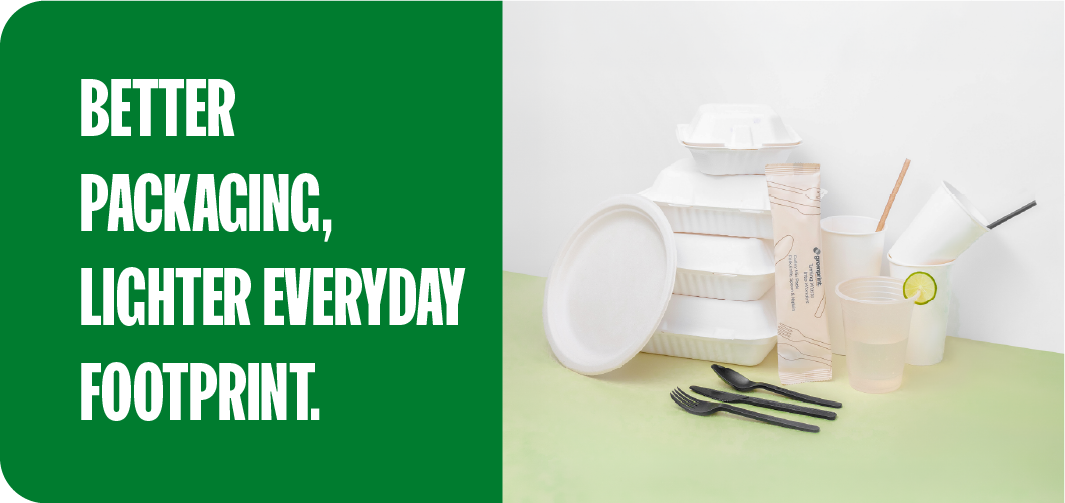
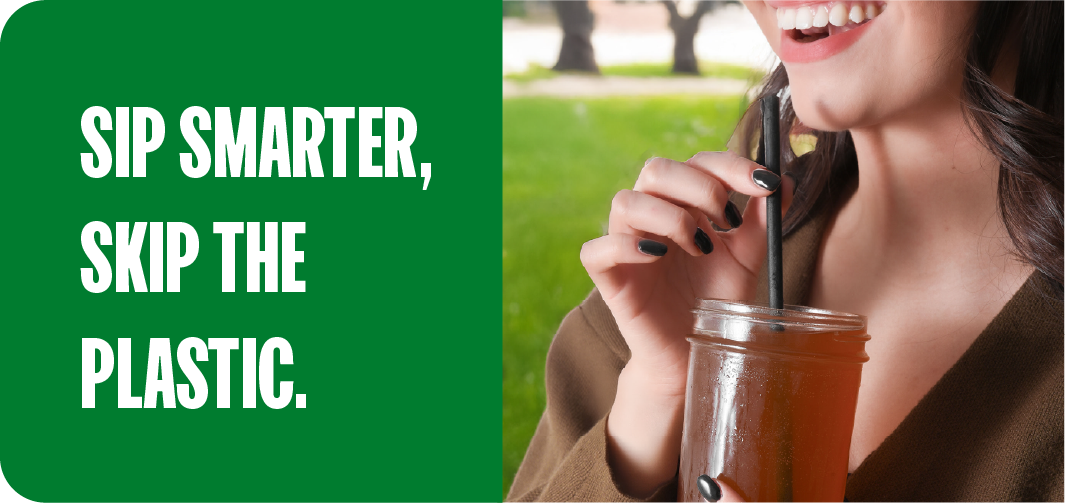
At Greenprint®, our Compostable Agave drinking straws carry TÜV Austria OK Compost HOME and BPI certifications. That means they break down in a home compost bin, thanks to our enzyme technology. Our Compostable Agave Cutlery holds BPI Commercial certification and needs industrial composting to break down fully. Fiberware™ clamshells and plates, made from bagasse (a sugarcane fiber), carry TÜV Austria OK Compost INDUSTRIAL certification.
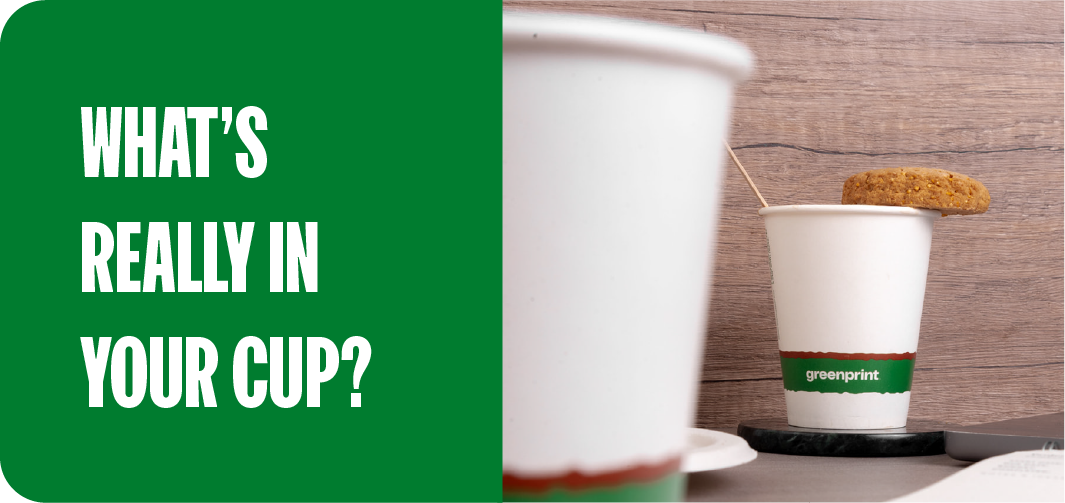
For hot drinks, Renewacups™ are PFAS-free and plastic-free, so they don’t shed plastic into your coffee. PFAS are synthetic chemicals used to resist grease and water. Read more in our guide to PFAS testing and certifications. Our cups use certified paper, not the agave compound found in our straws and cutlery.
Here is how common plastic foodware compares to a certified swap:
| Plastic Item | Certified Compostable Swap | Certification |
|---|---|---|
| Plastic straw | Compostable Agave straw | TÜV Austria OK Compost HOME, BPI |
| Plastic fork and spoon | Compostable Agave Cutlery | BPI Commercial |
| Foam clamshell | Fiberware™ clamshell | TÜV Austria OK Compost INDUSTRIAL |
| Plastic-lined hot cup | Renewacups™ | PFAS-free, plastic-free |
Ready to replace plastic foodware for good? Explore our certified compostable foodservice packaging and cut microplastics at the source.
Frequently Asked Questions
Do Ziploc Bags Have Microplastics?
Yes. Ziploc bags are made of plastic and can shed particles into food, especially with heat, wear, or repeated use.
What Are the Worst Foods for Microplastics?
Highly processed foods and foods packaged in plastic are common sources. Bottled water and some seafood can carry them too.
Can a Brita Filter Remove Microplastics?
A standard Brita carbon filter can catch some larger particles, but it isn’t designed to remove all microplastics. A filter certified for particle removal works better.
Can You Flush Out Microplastics From Your Body?
The most reliable step is to lower your daily exposure using the swaps above. Prevention is far more practical than trying to remove particles already inside the body.
References
- https://oceanservice.noaa.gov/facts/microplastics.html
- https://cdn.airops.com/rails/active_storage/blobs/proxy/eyJfcmFpbHMiOnsiZGF0YSI6NTg5NTMxMjc2LCJwdXIiOiJibG9iX2lkIn19--f904a5418e7cc49e701447a880b9770394d83d55/71_How%20to%20Avoid%20Microplastics.png
- https://cdn.airops.com/rails/active_storage/blobs/proxy/eyJfcmFpbHMiOnsiZGF0YSI6NTg5NTMxMjc3LCJwdXIiOiJibG9iX2lkIn19--8e8c580f592af66f31cb3c4eeaa28e7aa80d9c39/71_How%20to%20Avoid%20Microplastics_2.png
- https://www.epa.gov/water-research/microplastics-research
- https://cdn.airops.com/rails/active_storage/blobs/proxy/eyJfcmFpbHMiOnsiZGF0YSI6NTg5NTMxMjc4LCJwdXIiOiJibG9iX2lkIn19--1bf0ec4ac5ef186a45dcc4e912a8a67837e7104d/71_How%20to%20Avoid%20Microplastics_1.png
- https://www.fda.gov/food/environmental-contaminants-food/microplastics-and-nanoplastics-foods
- https://cdn.airops.com/rails/active_storage/blobs/proxy/eyJfcmFpbHMiOnsiZGF0YSI6NTg5NTMxMjc1LCJwdXIiOiJibG9iX2lkIn19--ef56a39d0fc5b5f72ebe0b2061b1e32b1a6533b6/71_How%20to%20Avoid%20Microplastics_3.png
- https://www.epa.gov/indoor-air-quality-iaq/what-hepa-filter
- https://bpiworld.org/
- https://en.tuv.at/ok-compost-home-en/
- https://cdn.airops.com/rails/active_storage/blobs/proxy/eyJfcmFpbHMiOnsiZGF0YSI6NTg5NTMxMjQ0LCJwdXIiOiJibG9iX2lkIn19--d861c6a77fc16faea7a51931cda2409c7d2cccbd/71_How%20to%20Avoid%20Microplastics_4.png


Illinois plastic bans and regulations explained: hotel bottle law, Chicago bag tax and foodware rules, local bans, and pending bills. Plan your compliance now.

Learn how to reduce carbon footprint at home with simple steps for energy, heating, food, and waste. Start with easy swaps your whole household can keep up.
Are styrofoam cups safe? See how styrene, heat, microwaving, and reuse change foam cup safety, and find foam-free cup options for hot and cold drinks.