

Massachusetts Plastic Ban: Single-Use Rules for Businesses



Massachusetts Plastic Bans: What Businesses Need to Know
Massachusetts has no single statewide single-use plastic ban in force yet. Many cities and towns regulate single-use plastic through their own local bylaws. These local rules cover much of the state’s population. Statewide action is advancing too. So a Massachusetts plastic ban may reach you through local rules now and broader rules soon.
If you run a restaurant or retail business, the rules that matter most are your town’s own bylaws. This guide covers what those rules require and what may change at the state level. It then walks through the steps that keep you compliant.
What the Massachusetts Plastic Ban Covers
Knowing what is restricted helps you avoid fines and last-minute scrambles. Massachusetts rules do not all come from one place, so the covered categories vary by town.
Most local bylaws focus on single-use plastic carryout bags at checkout. Some towns also restrict polystyrene foam foodware, such as foam clamshells and cups, which pushes operators toward certified compostable foodware for foam-ban towns. Others require that compostable straw options for foodservice replace plastic straws and utensils handed out by default.
At the state level, Massachusetts was the first state to enact a state single-use plastic bottle procurement ban that stops its own agencies from buying single-use plastic bottles. That rule targets government purchasing, not your storefront, but it signals where policy is heading.
Foodservice operators feel these rules most at the point of handoff. A bag ban changes how you pack a to-go order. A foam restriction changes which containers you can use. A straw or utensil rule changes what goes in the bag by default. Each category can carry its own penalties, so treat them separately.
The takeaway: a Massachusetts plastic bag ban usually lives in your town’s bylaw. Foam and straw rules depend on where you operate. Check both before you order supplies.

Massachusetts’ Plastic Reduction Act and Local Bylaws
Right now, local government drives most plastic regulation in the state. A large share of Massachusetts cities and towns already restrict plastic carryout bags through state and local legislation. This patchwork is why two locations of the same business can face different rules.
State lawmakers are working to change that. The legislature has advanced a Massachusetts Plastics Reduction Act, packaged within an environmental bond bill. The Mass Ready Act serves as a related vehicle. If enacted, it would ban single-use plastic carryout bags statewide and require stores to charge for recycled paper bags.
The same direction shows in the state’s own purchasing. Massachusetts was the first state to enact a procurement ban that stops state agencies from buying single-use plastic bottles.
Because the map is uneven, a business with several locations should not assume one policy fits all. A town line can separate a strict bag bylaw from no bylaw at all. Multi-site operators often standardize on the strictest rule they face, which keeps ordering simple and avoids accidental violations.
For now, your local bylaw is the rule that binds you. Watching the Massachusetts Plastic Reduction Act tells you what statewide requirements may come next. That lets you plan purchasing changes before they become mandatory.
Paper Bag Fees and Reusable Requirements
Many local bylaws do more than ban plastic bags. They often pair the ban with a required fee on recycled paper bags. They also allow reusable bags as an alternative. That changes how you handle checkout.
At the register, you generally stop offering thin plastic carryout bags. Instead, you offer recycled paper bags, usually with the required per-bag charge. You can also let customers bring or buy reusable bags. Staff need to know how to apply any fee correctly.
Acceptable substitutes typically fall into three groups: recycled paper, reusable bags, and certified compostable options where the bylaw allows them. Here is how they compare for a business:
-
Recycled paper bags: Widely accepted and easy to source, though many bylaws require a customer fee.
-
Reusable bags: Sturdy and often preferred by regulators, but they cost more per unit and suit customers who return.
-
Certified compostable bags: Useful where a bylaw recognizes them, but only when they meet certified compostable product standards your town accepts.
Confirm which substitutes your specific bylaw allows. Some towns accept certified compostable bags, and others do not.
The bag fee is worth extra attention. Where a bylaw requires it, the charge usually appears as a line item. Your register or point-of-sale setup needs to capture it correctly. Getting this wrong is a common, avoidable compliance gap, so confirm the fee handling your town expects.

How Massachusetts Businesses Can Comply
Compliance is manageable when you work through it step by step. Start with your town, then work down to your supply shelf.
First, check your town’s specific bylaw. Rules differ by location, so read the version that governs each address you operate. Note exactly which items are banned and any bag fee you must collect.
Second, audit your current inventory. Identify plastic bags, foam foodware, and any straws or utensils you hand out by default. Anything on the banned list has to go. Group your supplies by category, so you can see what needs replacing and what you can keep.
Third, stop supplying banned items and switch to approved alternatives. Approved substitutes usually include recycled paper, reusable, or certified compostable products, and it helps to adopt compostable packaging in your business methodically. Build in lead times, because sourcing and delivery can take longer than expected during a rule change. You can also lean on EPA guidance on reducing plastic waste when setting priorities. Order early so a supply gap never forces you back to a banned product.
Finally, train your staff and inform your customers. Teach the team how to apply bag fees and how to handle straws or utensils by request. Clear signage at the counter reduces confusion and cuts down on repeat questions during a rush.
A short written checklist helps here. List the banned items, the approved substitutes, the bag fee, and the by-request rule. Post it where staff can see it. Revisit the list whenever your town updates its bylaw, since local rules can tighten over time.
Some Massachusetts businesses also track extended producer responsibility rules, which shift packaging costs toward producers. We cover that topic in depth in our guide to extended producer responsibility laws for plastics.

Compostable Alternatives for Single-Use Plastic
When recyclable or reusable options fall short, certified compostable foodware helps you meet local rules without losing convenience. Certification matters here. Under the FTC Green Guides, a compostability claim should tie to a named certification, not a broad label. So match each product to the certification your town recognizes.
At Greenprint®, we build foodservice products around specific, verifiable certifications. Our home compostable agave straws are made from Agave Fibers and carry TÜV Austria OK Compost HOME certification plus BPI compostable certification. They break down at home compost temperatures because of an enzyme masterbatch that catalyzes PLA hydrolysis. That is not a general property of PLA.
Our cutlery is standard PLA and holds BPI Commercial certification. It composts in industrial facilities rather than a backyard bin. That makes it a fit for businesses served by commercial composting. Confirm your local composting access before you switch.
For containers, our compostable clamshell containers in the Fiberware™ line are made from bagasse (sugarcane fiber), not agave. They carry TÜV Austria OK Compost INDUSTRIAL certification. Our cups round out the lineup: Renewacups™ for hot drinks and Clearly Compostable™ for cold drinks. These cups are not made from the agave compound used in our straws. Match each product to its own certification rather than assuming one claim covers the whole order.
Certification also protects you when a bylaw asks for proof. A named certification from BPI or TÜV Austria gives you documentation you can point to. That is far safer than a vague sustainability claim. It also aligns with the FTC Green Guides, which discourage broad, unqualified environmental claims.
To compare compliant substitutes: recycled paper works for bags, reusables reward returning customers, and certified compostable foodware covers the takeout items that paper and reuse cannot easily replace. Each option has a place, and most restaurants end up using a mix. Bags may go paper or reusable, while cups, clamshells, straws, and cutlery move to certified compostable products.
You can match each Greenprint® product to the certification your bylaw accepts. Explore our certified compostable foodservice packaging to find the right fit for your menu.
Frequently Asked Questions
Is There a Statewide Plastic Bag Ban in Massachusetts?
No single statewide ban is in force yet. Local bylaws already cover much of the state’s population, and statewide legislation is advancing.
Do Massachusetts Plastic Rules Apply to Restaurant Takeout?
Yes, where local bylaws cover foodservice. Many towns restrict foam containers and require plastic straws and utensils only on request.
Are Compostable Bags and Foodware Allowed Under the Bans?
Many bylaws accept certified compostable or reusable alternatives. Confirm the specific certification your town recognizes before you switch.
References
- https://www.mass.gov/news/massachusetts-first-state-to-enact-procurement-ban-on-single-use-plastic-bottles
- https://www.ncsl.org/environment-and-natural-resources/state-plastic-bag-legislation
- https://malegislature.gov/PressRoom/Detail?pressReleaseId=103
- https://www.epa.gov/plastics/what-you-can-do-reduce-plastic-waste
- https://www.ftc.gov/news-events/topics/truth-advertising/green-guides
- https://www.bpiworld.org/
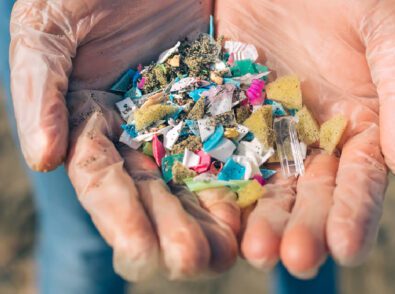

Learn how to avoid microplastics with easy swaps for your water, food, and kitchen, plus certified compostable foodware that cuts plastic in the waste stream.

Many meaningless eco certifications are just marketing. Learn the three signs of a real, third-party certification and how to verify one before you trust it.

The EU PPWR Packaging Regulation 2026 applies from 12 August. Learn who it affects, the key deadlines, and how to prepare compliant food packaging today.