

Connecticut Plastic Ban: What Your Business Must Do Now



Content
- What Connecticut's Plastic Bag Law Requires
- Which Bags Are Exempt From the Connecticut Plastic Bag Ban
- Does Connecticut Ban Polystyrene Foam or Plastic Straws?
- Connecticut Bottle Bill and Food Scrap Recycling Rules
- How Connecticut Towns Add Their Own Plastic Rules
- How to Prepare Your Connecticut Business for Future Plastic Laws
- Frequently Asked Questions
Connecticut Plastic Ban and Single-Use Plastic Regulations
The Connecticut plastic ban covers thin plastic checkout bags statewide, effective July 1, 2021. Foam and plastic straws aren’t banned, but a 2026 law limits how restaurants hand out straws and utensils.
This guide explains the single-use plastic regulations that affect your food or retail business today. It also covers what starts in 2027.
What Connecticut’s Plastic Bag Law Requires
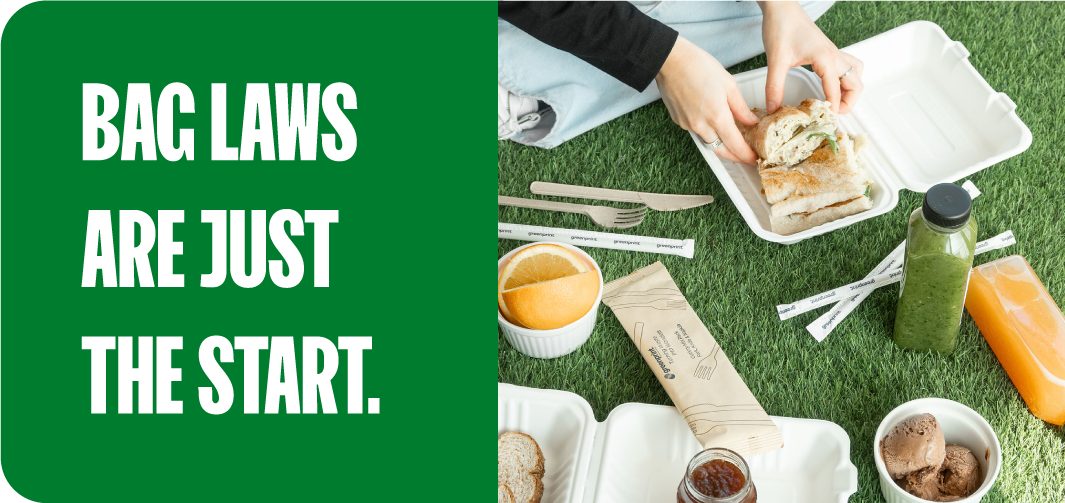
The Connecticut plastic bag ban stops stores from handing out thin plastic checkout bags. It’s the single-use plastic ban most likely to touch your daily operations.
Under state law, a “single-use checkout bag” is a plastic bag under four mils thick handed out at checkout. You can read the full definition in Connecticut General Statutes section 22a-246a. The statute applies to “stores,” meaning retailers that keep a retail store in Connecticut and sell to the public.
The rule arrived in two steps. First, 2019 Public Act 117 set a 10-cent fee on each single-use checkout bag. The fee ran from August 1, 2019, through June 30, 2021.
Stores registered for Connecticut sales tax collected that fee, according to Department of Revenue Services guidance OCG-9. DRS defines a store as a retailer registered for sales tax that sells directly to the public. The store must also keep a Connecticut retail location that provides plastic bags.
The full ban took effect July 1, 2021. In a 2025 CT Mirror report, DEEP Commissioner Katie Dykes said the law reduced bag litter. She also said some shoppers switched to thicker plastic bags that still get thrown away.
|
Date |
Rule |
What it meant for stores |
|---|---|---|
|
August 1, 2019, through June 30, 2021 |
10-cent fee per single-use checkout bag |
Stores registered for sales tax collected the fee. |
|
July 1, 2021 |
Statewide ban on single-use checkout bags |
Stores could no longer provide plastic checkout bags under 4 mils. |
Restaurants, cafés, and food trucks that collect sales tax and hand out bags likely fit the DRS definition. Confirm your status with DRS. Either way, the simplest path is to stop offering thin plastic bags at checkout.
Which Bags Are Exempt From the Connecticut Plastic Bag Ban
The plastic bag ban doesn’t cover every plastic bag. Connecticut’s statute, CGS 22a-246a, excludes several bag types that protect food or handle a specific job.
Guidance from the Connecticut Department of Revenue Services (DRS) adds two more points. Paper bags aren’t single-use checkout bags under the law. Reusable plastic bags 4 mils or thicker don’t count either.
|
Bag type |
Status under state law |
Basis |
|---|---|---|
|
Plastic checkout bag under 4 mils |
Banned |
CGS 22a-246a |
|
Bag for meat or seafood |
Exempt |
CGS 22a-246a |
|
Bag for loose produce or other unwrapped food |
Exempt |
CGS 22a-246a |
|
Newspaper bag |
Exempt |
CGS 22a-246a |
|
Laundry or dry cleaning bag |
Exempt |
CGS 22a-246a |
|
Paper bag |
Not a single-use checkout bag |
DRS guidance OCG-9 |
|
Reusable plastic bag 4 mils or thicker |
Not a single-use checkout bag |
DRS guidance OCG-9 |
A deli or market can still bag raw meat, fish, or bulk produce in thin plastic. For takeout orders, paper bags remain a legal choice. Thick plastic bags are legal too, though DEEP’s commissioner has said they still get thrown away.
Does Connecticut Ban Polystyrene Foam or Plastic Straws?
No. As of November 2026, Connecticut has no statewide ban on polystyrene foam containers or plastic straws. But a 2026 law will change how you hand out straws and other single-use items.
In 2025, House Bill 6229 would have banned polystyrene foodware and packaging. It also would have banned single-use plastic straws, stirrers, and splash sticks starting July 1, 2027. The bill was referred to the Appropriations Committee on April 29, 2025, and didn’t become law.
In 2026, House Bill 5524 proposed banning expanded polystyrene food service ware at restaurants and caterers. It also proposed banning straws with intentionally added PFAS. House Democrats dropped the polystyrene ban, CT Mirror reported, and neither ban was enacted.
The less controversial parts of HB 5524 moved into House Bill 5153. That bill was enacted as Public Act 26-124 and signed in June 2026. Its on-request rules start July 1, 2027, according to the House amendment text.
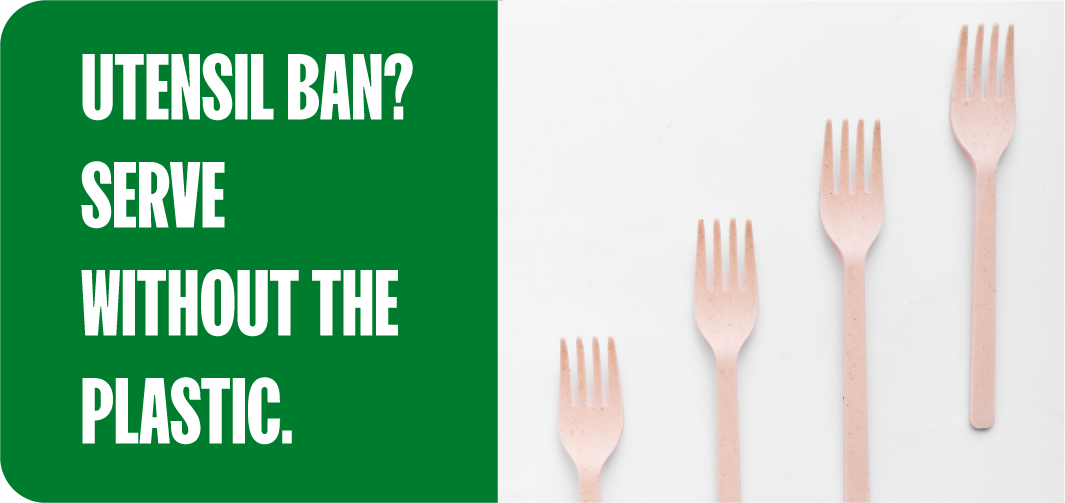
From that date, food service establishments may provide single-use utensils, napkins, condiment packets, and straws only in these cases:
-
When a customer asks for them.
-
Through self-service dispensers for utensils and napkins.
-
When needed for safe, sanitary eating or customary service.
Items must match the type and quantity the customer requests. The rule doesn’t apply to schools. Confirm the final act text with Connecticut DEEP before you change your service model.
|
Bill |
What it proposed |
Status |
|---|---|---|
|
HB 6229 (2025) |
Polystyrene foodware ban and plastic straw, stirrer, and splash stick ban |
Referred to Appropriations; not enacted |
|
HB 5524 (2026) |
Expanded polystyrene ban and ban on straws with added PFAS |
Bans dropped or not enacted |
|
HB 5153, Public Act 26-124 (2026) |
On-request single-use items from July 1, 2027, plus food donation rules |
Enacted; signed June 2026 |
Foam bans came up in back-to-back sessions, so plan for one. We explain why foam draws attention in our breakdown of polystyrene foam.
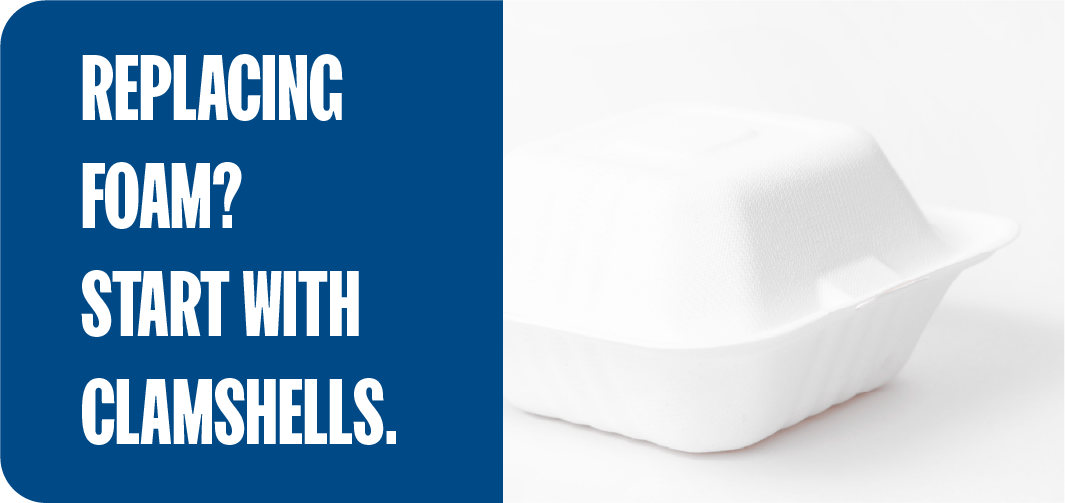
If you want to move off foam early, Greenprint® offers bagasse Fiberware™ clamshells certified TÜV Austria OK Compost INDUSTRIAL. For on-request utensils, our agave-based forks and knives carry BPI Commercial Compostability certification. They need an industrial composting facility.
Connecticut Bottle Bill and Food Scrap Recycling Rules
The Connecticut bottle bill puts a refundable deposit on covered beverage containers. On January 1, 2024, the deposit rose to 10 cents from 5 cents, per Connecticut DEEP’s bottle bill page. The list of covered beverages expanded on January 1, 2023.
If you sell bottled or canned drinks, check which of your beverages are covered. Then confirm your pricing reflects the current deposit.
Connecticut’s Commercial Organics Recycling Law, CGS 22a-226e, targets large food scrap generators. It covers food wholesalers, distributors, manufacturers, and processors. It also covers supermarkets, resorts, conference centers, and, as of January 1, 2025, institutions.
These businesses must separate and recycle organics if they generate at least 26 tons per year. The recycling must happen at an authorized facility within 20 miles, according to DEEP’s organics recycling law page. Starting July 1, 2026, Public Act 24-45 added K-12 school buildings that meet the same threshold.
Public Act 26-124 adds food donation rules for these same businesses, according to the House amendment text. Generators of 26 tons or more need a written food donation policy by January 1, 2027. From July 1, 2027, covered businesses must prioritize donating surplus edible food.
DEEP also lists reducing waste and composting on site as ways to comply. Your restaurant may fall below the threshold. But if you supply a supermarket, conference center, or school, your packaging can land in their food scrap stream.
Certified compostable packaging is designed to break down with food scraps at facilities that accept it. We explain what compostability certifications mean, including BPI and ASTM D6400.
How Connecticut Towns Add Their Own Plastic Rules
State law sets the floor for checkout bags. Section 22a-246a preempts local bag ordinances that are less strict than state law. A town can’t weaken the state rule.
Some towns acted before the state did. Westport passed a ban on single-use plastic shopping bags in 2008, according to the local 06880 blog. Mansfield passed its own town bag ban in 2019, CONNPIRG reported.
If you operate in more than one town, check each town’s ordinances. Food trucks and caterers need extra care, since you may serve several towns each week. Ask the town clerk before you buy packaging in bulk.
Rules also change at state lines. Working nearby? See our guides to New York state plastic rules and New Jersey plastic ban details.
How to Prepare Your Connecticut Business for Future Plastic Laws
Public Act 26-124 gives you a clear deadline of July 1, 2027. These steps help you meet it without a rushed switch.
-
Audit your bags. Remove plastic checkout bags under 4 mils, and confirm your other bags fit an exempt category.
-
Switch to on-request service by July 1, 2027. Train staff to ask before adding utensils, napkins, condiment packets, or straws.
-
Set up self-service dispensers. Utensil and napkin dispensers are one of the options the amendment text allows.
-
Audit your foam. Foam is still legal statewide, but list what you buy and price alternatives now.
-
Write a food donation policy if you generate 26 tons of organics a year. The deadline is January 1, 2027.
-
Verify certifications. Ask suppliers for the certifying body and certificate behind every compostable claim.
-
Check PFAS documentation. Ask for third-party test results, not a supplier’s own statement.
Connecticut didn’t enact the proposed PFAS straw ban. Test records still help you answer buyer questions. We explain how third-party PFAS testing works for compostable products.
Our Compostable Agave straws are TÜV Austria OK Compost HOME and BPI certified. An enzyme added during compounding breaks down the PLA at home compost temperatures of 20 to 30°C. You can offer these home-compostable agave straws by request, which fits the on-request rule.
Our agave straws and cutlery are BPI certified at under 100 ppm total organic fluorine. Intertek tested our Fiberware™ line for 30 PFAS compounds, and none were detected.
Keep your own menu and signage claims specific. The FTC Green Guides discourage broad, unqualified environmental claims, so name the certification instead.
When you’re ready to switch, browse our certified compostable takeout packaging. Match each item to the composting options near you.
Frequently Asked Questions
Is There a Plastic Bag Fee in Connecticut?
Not today. The 10-cent CT plastic bag fee ran from August 1, 2019, through June 30, 2021, before the ban began.
Are Paper Bags Banned in Connecticut?
No. Paper bags fall outside the state’s definition of a single-use checkout bag, so you can still offer them.
Is Styrofoam Banned in Connecticut?
No, Connecticut has no statewide polystyrene foam ban as of November 2026. Lawmakers dropped the 2026 foam proposal, and the 2025 bill also stalled.
Which Other States Have Banned Plastic Bags?
The answer to what states have banned plastic bags keeps changing as legislatures act. Our multi-state plastic regulation guide covers bag rules and other plastic laws across states.
References
- https://law.justia.com/codes/connecticut/title-22a/chapter-446d/section-22a-246a/
- https://portal.ct.gov/-/media/DRS/Publications/OCG/OCG-9-BagFee.pdf
- https://ctmirror.org/2025/03/17/ct-single-use-plastics-polystyrene-ban/
- https://www.cga.ct.gov/ASP/CGABILLSTATUS/cgabillstatus.asp?selBillType=Bill&bill_num=HB06229&which_year=2025
- https://ctmirror.org/2026/04/30/ct-styrofoam-polystyrene-ban-dropped
- https://www.cga.ct.gov/2026/lcoamd/pdf/2026LCO05353-R00-AMD.pdf
- https://portal.ct.gov/DEEP/Reduce-Reuse-Recycle/Bottles/Connecticut-Bottle-Bill
- https://portal.ct.gov/DEEP/Waste-Management-and-Disposal/Organics-Recycling/Commercial-Organics-Recycling-Law


Run a zero waste coffee shop with this operator playbook. Audit your bins, put reusable cups first, pick certified compostables, and train staff to sort right.

Regenerative vs organic farming compared, covering USDA organic rules, regenerative goals, and ROC labels. See what each label proves before you source food.

Use menu engineering to reduce food waste with five practical steps. Track waste, cost dishes, share ingredients, and right-size portions to protect margins.