

How PHA Compares to PLA, Starch, and Other Materials


How PHA Compares to PLA, Starch, and Other Materials
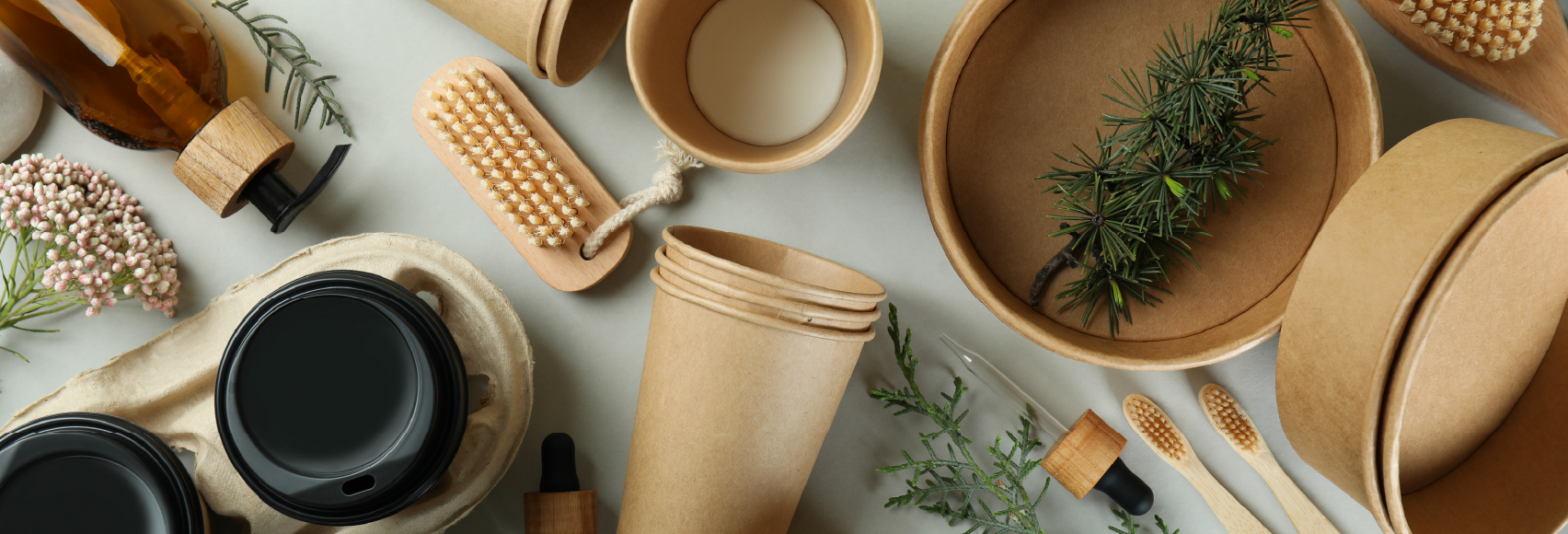
If you’re trying to choose between PHA vs. other sustainable materials for packaging, you’ve probably noticed the options are multiplying faster than the answers. PHA, PLA, starch blends, traditional plastic, and newer entries like agave fiber composites all claim a seat at the table. But each material comes with different composting conditions, performance limits, and cost realities. This guide breaks down how they actually compare so you can make a choice that fits your values and your local waste system.
What Is PHA and How Is It Made?
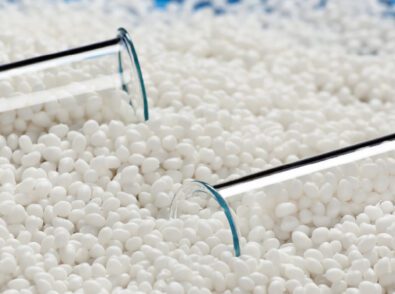
PHA (polyhydroxyalkanoates) is a family of bioplastics produced by bacterial fermentation. Specific bacteria consume organic feedstocks like vegetable oils, sugars, or waste gases. As they metabolize, they store PHA inside their cells as energy reserves. Manufacturers then extract and purify those polymer granules into a resin that can be molded, extruded, or blown into packaging.
What sets PHA bioplastic apart from most other compostable materials is its end-of-life behavior. PHA can break down in soil, freshwater, and marine environments without requiring the high heat of an industrial composting facility. Some PHA grades have demonstrated marine compostability in as little as 58 days under controlled conditions. That flexibility makes it appealing for applications where packaging might escape managed waste streams.
However, PHA is still produced at relatively small scale compared to PLA or conventional plastics, and its cost reflects that. Understanding where PHA fits means comparing it directly against the alternatives.
How PHA Stacks Up Against PLA, Starch, and Traditional Plastic
The differences between PHA vs PLA, starch-based plastics, and traditional petroleum-based plastics come down to four factors: how they break down, what they cost, how they perform, and where they’re actually available.
PHA vs PLA
PLA (polylactic acid) is the most widely used compostable plastic today. It’s made from fermented plant sugars, typically from corn or sugarcane. PLA is cheaper than PHA and available at much larger scale, but it has a significant limitation: standard PLA requires industrial composting facilities operating at 55-60°C to break down. It won’t decompose in your backyard bin, in soil, or in the ocean. If PLA ends up in a landfill, it persists much like conventional plastic.
PHA, by contrast, can break down under ambient conditions, including marine and soil environments. That’s a meaningful advantage in regions without access to industrial composting infrastructure. But PHA typically costs 3-5 times more than PLA, and its heat resistance and moisture barrier properties vary by grade.
There’s also an emerging middle ground. Greenprint®’s agave-based compound blends PLA and PBAT with Agave Fibers (30-50%) and an enzyme masterbatch. That enzyme technology catalyzes hydrolysis of PLA polymer chains at ambient temperatures (20-30°C), enabling TÜV Austria OK Compost HOME certification. Internal testing (GP-BIO-001) showed full breakdown by Week 20 in home compost conditions. Standard PLA without this enzyme technology cannot achieve home compostability.
| Property | PHA | PLA | Greenprint Agave-Based |
|---|---|---|---|
| Composting conditions | Soil, marine, home, industrial | Industrial only (55-60°C) | Home compost (TÜV OK Compost HOME) |
| Raw material | Bacterial fermentation of organic feedstocks | Fermented plant sugars (corn, sugarcane) | Post-tequila agave fiber + PLA/PBAT + enzyme masterbatch |
| Relative cost | High (3-5x PLA) | Moderate | Moderate |
| Marine compostable | Yes (select grades) | No | No |
| Moisture barrier | Good (varies by grade) | Poor | Moderate |
| Commercial scale | Limited | Widely available | Growing |
PHA vs Starch-Based Plastic
Starch-based plastics use corn, potato, or tapioca starch as a base, often blended with PLA or PBAT to improve strength and water resistance. They’re among the cheapest compostable options, which makes them common in bags, loose-fill packaging, and single-use food service items.
The trade-off is performance. Pure starch films dissolve on contact with moisture, so most commercial products are starch blends. Composting behavior depends heavily on the blend ratio. Some starch-PLA blends still require industrial composting, while starch-PBAT blends may break down in home conditions but more slowly and less predictably than PHA.
PHA outperforms starch blends on moisture resistance, heat tolerance, and consistency of composting behavior. But starch blends cost a fraction of PHA and are available at much greater scale.
PHA vs Traditional Plastic
Traditional plastics like polyethylene (PE) and polypropylene (PP) still dominate packaging for one reason: they’re cheap, durable, and versatile. PHA can’t match petroleum-based plastics on cost, shelf life, or barrier properties for long-term storage.
Where PHA wins is end-of-life. Traditional plastic persists in the environment for 400+ years. PHA returns to natural systems through microbial digestion. Regulatory momentum is shifting too. Bans on single-use plastics and extended producer responsibility laws are creating market openings for compostable alternatives, even at a cost premium.
The honest assessment: PHA is not a drop-in replacement for traditional plastic across all applications. It’s a fit for short-use, high-waste categories like food service and single-use packaging where the material doesn’t need to last months on a shelf.
Where PHA and Other Compostable Materials Show Up in Packaging
Compostable materials are concentrated in food service and short-use packaging, the categories where single-use is hardest to avoid and contamination makes recycling impractical.
PHA appears in compostable straws, cutlery, coffee capsules, and flexible film wraps. PLA dominates cups, lids, and deli containers. Starch blends show up in bags, loose-fill packing, and produce wraps.
Agave fiber composites are an emerging category worth watching. Greenprint’s agave-based products use post-tequila waste from Jalisco, Mexico, where over 350,000 tons of agave fiber are available annually with zero competing use. Unlike bamboo (which requires long-haul shipping from Asia) or wheat straw (which diverts from animal feed markets), agave fiber repurposes an existing agricultural waste stream.
Greenprint’s Agave Straws and Cutlery carry BPI certification with third-party verified Total Organic Fluorine levels below 100 ppm, addressing growing concerns about PFAS in food-contact compostable packaging.
What Happens After You Throw It Away
This is where the real differences between compostable materials become clear, and where FTC Green Guides compliance matters most. A “compostable” label only means something if the product actually breaks down in the disposal system available to you.
PHA can break down in industrial compost, home compost, soil, and marine environments. Marine compostability studies have shown breakdown in approximately 58 days under controlled conditions. That versatility is PHA’s strongest advantage.
PLA requires industrial composting at 55-60°C. If your community doesn’t have an industrial composting facility that accepts packaging, PLA will sit in a landfill like any other plastic. It does not break down in home compost, soil, or ocean water.
Starch blends vary widely. Some require industrial composting; some break down in home settings. Check the specific certification on the product.
Greenprint’s agave-based products carry TÜV Austria OK Compost HOME certification, meaning they break down at ambient temperatures (20-30°C) in a home compost setting. Internal data (GP-BIO-001) confirmed full breakdown by Week 20 under home compost conditions, validated in triplicate. For more detail on composting timelines, see how long home compostable products take to break down.
The bottom line: always match the product’s certification to your actual disposal options. A home compostable product is only better than a landfill-bound one if you actually compost it.
The Trade-Offs You Should Know About
No compostable material is a perfect replacement for traditional plastic.
Cost. PHA runs 3-5 times the price of PLA and 5-10 times more than traditional plastic. That cost reflects limited production capacity, not some inherent inefficiency, but it’s real and affects purchasing decisions today.
Scale. PHA production capacity is a fraction of PLA’s, which is itself a fraction of conventional plastic. Supply chains are shorter, lead times are longer, and fewer suppliers compete on price.
Performance gaps. For products that need months of shelf life or extreme barrier properties, compostable materials still fall short. PHA is closest to traditional plastic on performance, but the gap hasn’t fully closed.
Feedstock sourcing matters too. Bamboo straws require long-distance shipping from Asian suppliers. Wheat straw packaging diverts from animal feed markets. Agave fiber, by contrast, comes from post-tequila waste with no competing agricultural use, making it one of the more defensible feedstock stories in the compostable space.
Progress is real, but so are the constraints. Choosing the right material means weighing your product’s needs, your waste infrastructure, and your budget honestly.
Frequently Asked Questions
Is PHA More Sustainable Than PLA?
PHA has clear advantages at end-of-life. It breaks down in soil, marine, and home compost environments, while standard PLA requires industrial composting at 55-60°C. However, PHA production currently demands more energy and costs significantly more. The real-world impact depends on your local disposal infrastructure. If you don’t have access to industrial composting, PHA’s ambient compostability is a genuine advantage. If you do, PLA may deliver similar environmental outcomes at lower cost.
What Are Five Sustainable Materials Used in Packaging?
Five materials used in sustainable packaging include PHA (bacterially produced, marine and soil compostable), PLA (plant-sugar-based, industrially compostable), starch-based plastics (often blended with PLA or PBAT for moisture resistance), agave fiber composites (made from post-tequila agricultural waste, home compostable with enzyme technology), and bagasse or sugarcane fiber (molded into plates, bowls, and containers). Each has different performance characteristics, composting requirements, and cost profiles.
Is PHA Compostable in All Environments?
PHA can break down in industrial compost, home compost, soil, and marine environments, which is broader than most compostable plastics. But “can” and “will” depend on conditions. Marine compostability has been demonstrated in approximately 58 days under controlled lab conditions. Real-world results vary with temperature, microbial activity, and material thickness. No compostable material disappears instantly. Match your expectations to the specific PHA product’s certifications and the conditions you can actually provide.
References

Learn how plastic regulation evolved from early bag bans to EPR laws and global treaties. Discover what foodservice operators need to stay compliant with changing rules.
Learn which material durability standards apply to foodservice packaging. Compare food grade vs food safe, review certifications, and evaluate compostable options for your operation.
Learn how to source upcycled materials for foodservice packaging. Covers agave fiber, sugarcane bagasse, supplier evaluation, certifications, and practical steps to start.