

Paperization Trend: Fiber Barriers Replace Plastic



The Paperization Trend: Fiber Barriers Replace Plastic Laminates
Paperization means replacing plastic and plastic-coated packaging with paper- and fiber-based alternatives. This is the paperization trend: why brands are replacing plastic laminates with fiber-based barriers. At Greenprint®, we help foodservice operators make that switch with evidence, not slogans. This guide explains how fiber barriers work and what the change means for your business.
What the Paperization Trend Means
Paperization is the shift away from plastic packaging toward paper and molded fiber. It covers cups, containers, trays, clamshells, and wraps that once relied on plastic. The goal is packaging that fits recycling and composting systems instead of the landfill.
Plastic laminates are thin plastic coatings bonded onto paper. They gave paper cups and food wraps their water and grease resistance. That same plastic layer is what made the paper hard to recycle or compost.
Fiber-based packaging replaces that structure. It uses molded plant fibers and non-plastic coatings to do the same job. Our fiber-based foodware products show how this looks in daily service.
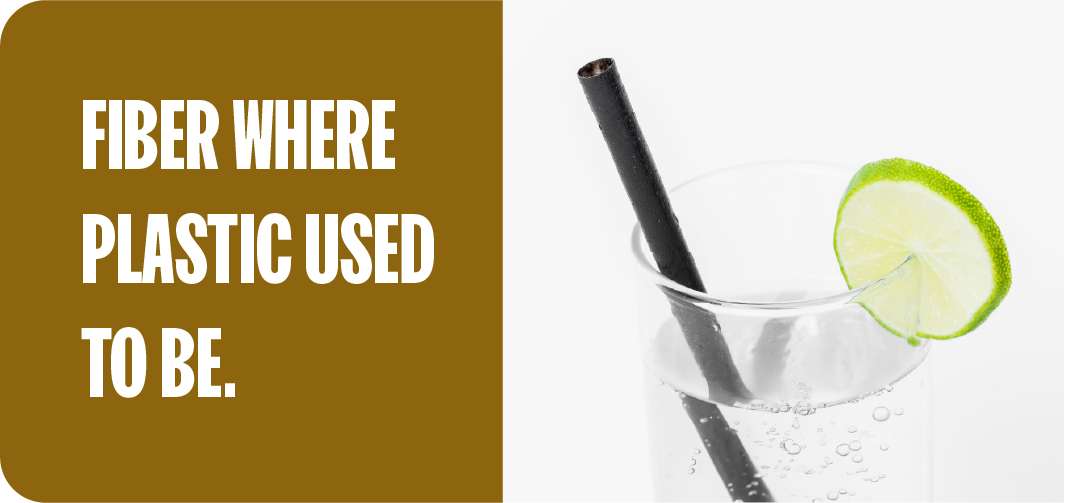
You have probably seen paperization already. Paper straws, molded-fiber cups, and fiber takeout boxes are all part of it. The shift now reaches from small cafes to national restaurant chains.
The trend is not only a material swap. It reflects how brands plan for waste that actually gets sorted and processed. A cup that cannot be recycled or composted is still a disposal problem, no matter how it is labeled.
That practical focus is why paperization has momentum. Operators want packaging that matches the systems their customers use. Zero-waste restaurant packaging depends on materials that fit local collection, not wishful labels.
Why Plastic Laminates Were Hard to Replace
Plain paper fails with food. It soaks up moisture, softens under grease, and leaks with hot or oily meals. A plastic laminate solved all of that with one cheap, thin film.
That film set a high bar for any replacement. It sealed out water and oil, ran fast on packaging equipment, and cost very little. Matching that mix of performance and price is genuinely hard.
The plastic layer also created a disposal problem. Recyclers struggle to separate thin plastic film from paper fibers. Mixed materials often get pulled from the stream and sent to landfill.
The EPA points out that combined materials complicate curbside recycling. EPA recycling guidance explains why some packaging cannot be processed easily. Compost systems reject conventional plastic film for the same reason.
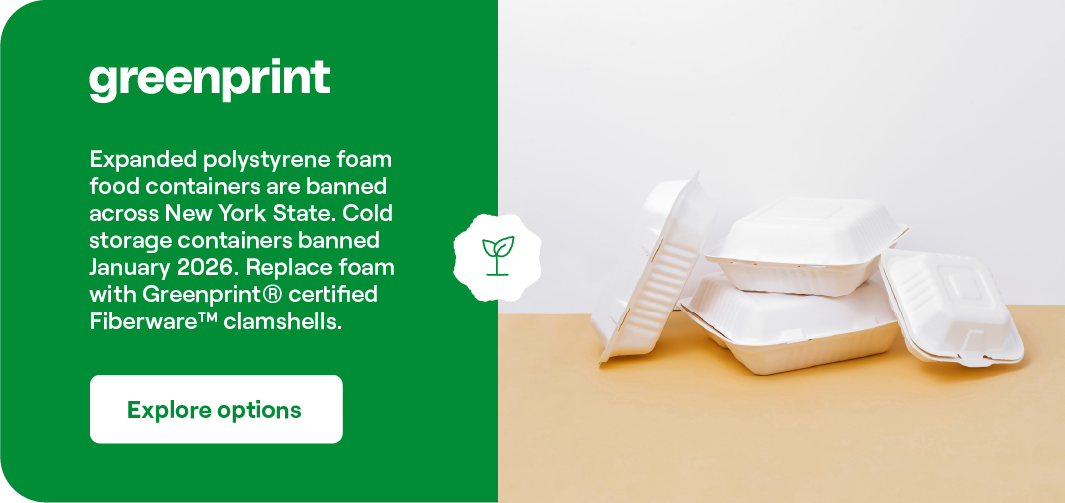
Foam and multilayer plastics made the problem worse. They packed several materials into one item, which almost never separates cleanly. That is why many cities moved to restrict or ban them.
Recycling mills add another hurdle. Their equipment is tuned for clean paper fiber, not plastic-coated stock. Contaminated loads slow the line and can spoil an otherwise good batch.
So laminated cups and containers sat in an awkward middle. They looked like paper but behaved like plastic at the sorting line. Closing that gap is exactly what compostable packaging materials were built to do.
How Fiber-Based Barriers Work
Fiber-based barriers are plant-fiber structures with non-plastic coatings. They block moisture, grease, and oxygen without a conventional plastic film. That combination is what lets them recycle or compost more easily.
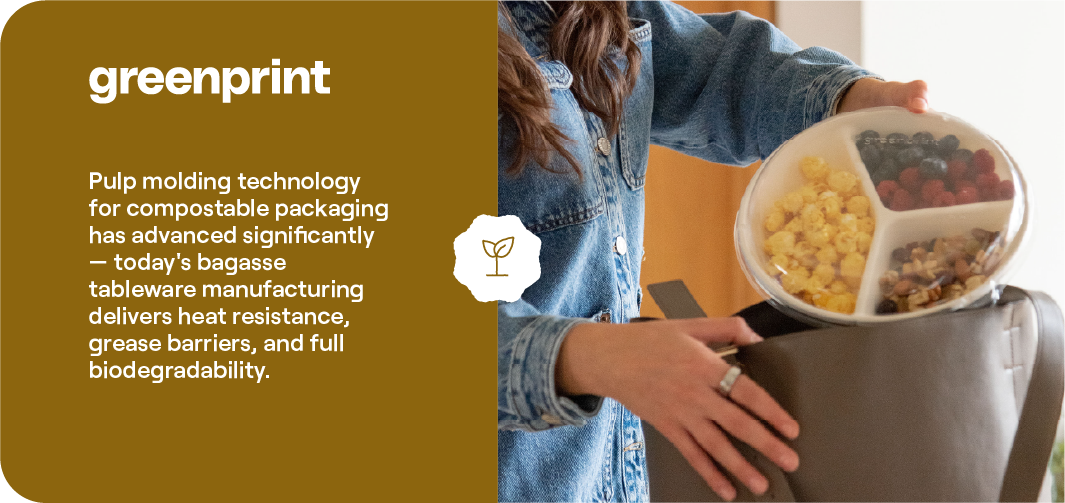
Two parts do the work. First, molded fiber forms the body from pulp such as bagasse, the fiber left after sugarcane is pressed for juice. Second, a water-based or plant-based coating adds the barrier the food needs.
The table below compares the old and new approaches at a glance.
Attribute | Plastic-Laminated Paper | Fiber-Based Barrier |
|---|---|---|
Barrier source | Thin fossil-plastic film | Molded fiber plus water- or plant-based coating |
Recycling | Hard to separate, often rejected | Uncoated fiber is easier to repulp |
Composting | Plastic film fails compost systems | Can be certified compostable with the right coating |
PFAS risk | Some coatings once used PFAS | Verified lines are tested PFAS-free |
Greenprint’s Fiberware™ line shows the molded-fiber approach in practice. Our clamshells, plates, and bowls are made from bagasse and carry TÜV Austria OK Compost INDUSTRIAL certification. They hold hot, wet, and oily food without a plastic lining.
Barrier strength is also tunable. A cold cup needs less protection than a hot soup container. Manufacturers match the coating and fiber weight to the job, which controls both cost and compostability.
These barriers do more than repel water. Good coatings also slow oxygen and oil, which keeps food stable during delivery. That is why fiber trays now handle burgers, salads, and hot entrees.
Coatings are where the science is moving fastest. Some use plant-based bioplastics, which perform differently from fossil-based plastics. Others use water-based dispersions that wash away during repulping.
Researchers are still refining these barriers for speed, cost, and strength. Work from Michigan State University tracks how fiber and coatings keep evolving. Fiber packaging research covers the real trade-offs. For product-level choices, see our guide to best compostable packaging options.
Why Brands Are Switching to Fiber-Based Packaging
Three forces drive the switch to fiber-based packaging. The first is regulation. Laws increasingly restrict single-use plastic and foam in foodservice.
California offers a clear example. California’s SB-54 rules set producer responsibility targets for packaging waste, as laid out in the SB 54 legislative text. Across the Atlantic, the EU packaging waste rules push similar reductions for member states.
PFAS is the second driver. These are long-lasting chemicals once added to paper for grease resistance. The FDA PFAS food-contact guidance tracks their phase-out from food packaging.
We verify our products against that risk. Our PFAS-free packaging testing uses third-party labs rather than self-declared claims. That level of proof matters as buyers ask harder questions.
Customer expectations are the third driver. Diners and operators want packaging that fits real disposal systems. Fiber packaging is easier to route to commercial composting facilities where they exist. When it cannot be composted, uncoated fiber is often simpler to recycle than laminated paper.
Cost is closing the gap too. As demand grows and production scales, fiber pricing keeps improving. For many operators, the switch is now a practical choice, not a premium one.
Big brands are leading this visibly. Major coffee and fast-food chains have swapped plastic straws and foam cups for paper and fiber versions. Their scale tells suppliers that fiber is now mainstream.
What the Paperization Trend Means for Foodservice Brands
For foodservice operators, the paperization trend is a sourcing decision with real trade-offs. It is also reshaping sustainable food packaging for restaurants and cafes. Start by matching packaging to the disposal systems your customers actually use.
Home compost, industrial compost, and recycling each need different materials. A product certified for industrial composting may not break down in a backyard pile. Ask your supplier which path a product is built for.
Watch your total cost, not just the unit price. Fiber items can lower waste-hauling fees and support your sustainability reporting. Weigh those savings against any change in packaging cost.
Check certifications before you buy. Look for named standards such as BPI or TÜV Austria, not vague claims. The FTC Green Guides warn against broad, unqualified terms, so specific certified claims protect your brand. Our guide to compostable certification standards explains what each seal covers.
Then test performance for your menu. Hot soup, cold drinks, and greasy dishes stress packaging in different ways. If you are planning a rollout, our steps for adding compostable packaging can help.
Train your staff and label your bins as well. Even the best packaging fails if it lands in the wrong stream. Clear signage helps diners sort cups and containers correctly.
Confirm access with your local hauler too. Composting and recycling coverage varies widely by city. The EPA food waste management resources show where packaging fits in that larger picture.
We design products for how waste systems work today, not how we wish they worked. Explore our fiber-based compostable foodservice packaging to find options certified for your service and your local composting reality.

Frequently Asked Questions
What Is the Difference Between Paperization and Recycling?
Paperization changes the material, replacing plastic packaging with paper and fiber. Recycling is a disposal process that recovers materials after a product is used.
Are Fiber-Based Barriers Compostable?
Some are, but only when the fiber and coating meet a named standard like BPI or TÜV Austria. Uncoated or plastic-lined fiber may not qualify, so always check the certification.
Do Fiber-Based Barriers Keep Food Fresh as Well as Plastic?
For most foodservice uses, yes. Modern fiber coatings handle moisture, grease, and short-term storage well, though very long shelf-life packaging can still favor plastic.
References
- https://www.epa.gov/recycle/frequent-questions-recycling
- https://www.canr.msu.edu/resources/packaging-in-transition-the-evolving-roles-of-fiber-paper-and-plastics
- https://leginfo.legislature.ca.gov/faces/billTextClient.xhtml?bill_id=202120220SB54
- https://environment.ec.europa.eu/topics/waste-and-recycling/packaging-waste_en
- https://www.fda.gov/food/environmental-contaminants-food/and-polyfluoroalkyl-substances-pfas
- https://www.ftc.gov/news-events/topics/truth-advertising/green-guides
- https://www.epa.gov/sustainable-management-food


See how the carbon footprint of disposable plastic adds up from production to disposal, plus practical ways to cut it with certified compostable choices.

Plastic ban laws in North Carolina explained for operators: no statewide bag ban, state preemption rules, and how to choose compliant compostable foodware.
Embodied carbon in foodware is the emissions built into a cup or fork before use. See what it is, why it matters, and how to choose lower-carbon products.