

What Is an Agricultural Waste Stream? A Simple Guide


What Is an Agricultural Waste Stream?
An agricultural waste stream is the steady flow of leftover materials produced by farming and food production. The word “stream” matters here. It describes a continuous, recurring supply of waste, not a one-time pile. Every harvest, every herd, and every processing run adds more to the agricultural waste stream.
What Is an Agricultural Waste Stream?
An agricultural waste stream is the ongoing flow of materials left over from farming and food production. Some of it is organic, like stalks, peels, and manure. Some is inorganic, like the plastic, packaging, and containers used around the farm.
The word “stream” describes how this waste behaves. It doesn’t show up once and then stop. It arrives again and again, tied to the rhythm of planting, harvest, and processing.
That steady, predictable supply is what separates a waste stream from random garbage. Because it’s reliable, the material can be collected, sorted, and processed at scale.
Nearly every kind of farm produces one. Row crops leave behind stalks and husks. Orchards and vineyards generate prunings. Livestock operations produce manure and bedding, and food processors add peels, shells, and pulp.
Thinking of this waste as a stream also changes how you manage it. A single pile of trash is a cost you pay to remove. A predictable stream is an input you can plan around. Composters, processors, and manufacturers build entire businesses on that steady flow.

Types of Agricultural Waste Streams
Agricultural waste streams sort into a few recurring categories. Each one has its own makeup, volume, and best use. Common agricultural waste examples include crop residues, animal waste, and by-products from food processing.
Researchers often split these into two groups. Primary waste is left in the field, like stalks after harvest. Secondary waste appears later during processing, like peels and pulp at a factory.
Knowing which category a material falls into helps you decide what to do with it. Some types are easy to return to the soil. Others hold real value once they’re recovered and processed.
Crop Residues
Crop residues are the plant parts left in the field after harvest. This group includes stalks, husks, straw, and leaves. Farmers usually leave some residue on the soil to protect it, and the rest enters the waste stream.
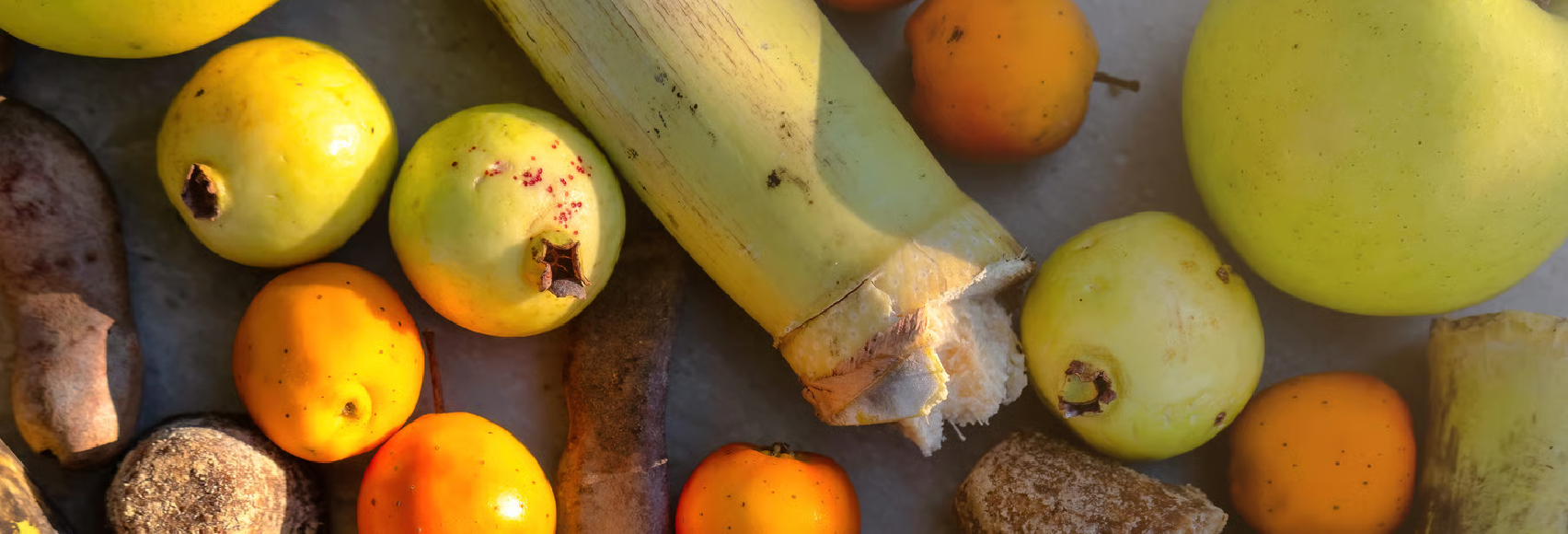
Common examples are sugarcane bagasse, rice husks, and corn stover. Bagasse is the fibrous pulp left after crushing sugarcane for its juice. Corn stover is the stalks and leaves that remain once the grain is picked.
These residues are packed with fiber, which makes them useful far beyond the field. They can feed animals, cover and enrich soil, or become raw material for new products.
Leaving too much residue can slow the next planting, while removing all of it can leave soil bare. That balance is why some residue is harvested and the rest stays behind.
Animal Waste
Animal waste is the manure, slurry, and soiled bedding produced by livestock. Slurry is a liquid mix of manure and water. Bedding is the straw or sawdust that lines animal housing.
Farms deal with this waste in large, steady volumes. Most of it is stored, spread on fields as fertilizer, or sent for treatment.
Handled well, animal waste returns nutrients to the soil and can even generate energy. Handled poorly, it can pollute nearby water and release strong odors.
This waste is a common feedstock for composting and biogas systems. Both approaches capture its value while cutting the pollution risk of raw manure.
Agro-Industrial Processing Waste
Agro-industrial processing waste is the by-product created when crops are turned into food, drink, and other goods. This group includes peels, bagasse, oilseed cakes, and pulp. Oilseed cake is the solid material left after pressing seeds for their oil.
This category is where high-value fibers often show up. Some processing leftovers hold strong, clean fibers that can be recovered and remade into new products.
Not all processing waste is equal. Clean, dry, single-material by-products are easier to reuse than wet or mixed streams. Fibers that stay strong after processing tend to hold the most value.
Agave fiber from tequila and mezcal production is one clear example. Its agave fiber composition makes it a good fit for durable, everyday goods.
Environmental Impact of Agricultural Waste Streams
When agricultural waste streams aren’t managed, they can harm the land, water, and air. The size of the impact depends on how the waste is handled and where it ends up.
Burning crop residue sends smoke and pollutants into the air, an effect the EPA covers in its agriculture and air quality resources. Waste that piles up can wash into rivers and lakes. That runoff carries nutrients and chemicals that lower water quality and harm aquatic life. The EPA’s overview of nutrient runoff and water quality explains how this happens.
Organic waste that rots in a landfill releases landfill gas that contributes to climate change. Unmanaged waste can also strain the soil it sits on and attract pests.
The effects also reach beyond the farm. Nutrient runoff can feed algae blooms downstream, and airborne particles from burning can travel for miles. Poor waste handling in one place often shows up as a problem somewhere else. Our look at compostable cup carbon footprint shows how disposal choices add up.
Managing these streams well protects nearby ecosystems and keeps useful material out of the landfill. The EPA’s agriculture resources explain how farms can lower these effects.

How Agricultural Waste Streams Become Valuable Resources
Good agricultural waste management turns leftover material into something useful instead of a disposal problem. The steady supply of an agricultural waste stream is what makes it worth collecting and processing. Three main approaches move that waste from problem to resource. The right path depends on the material, the local infrastructure, and what the finished product needs to do.
Energy Recovery
Energy recovery captures the energy stored inside agricultural waste. Organic material can be broken down into biogas, a fuel created as waste decomposes without air.
The same material can become bioethanol, a liquid fuel, or be burned as biomass for heat and power. These options let farms produce energy while shrinking the waste they need to manage.
Anaerobic digestion is another common method. It uses microbes to break down waste without air in a sealed tank. The process produces biogas plus a nutrient-rich leftover that farms can spread on fields. The USDA agricultural waste management systems guide covers how farms plan for this.
Material and Fiber Recovery
Material and fiber recovery pulls useful fibers out of the waste stream. These fibers can be remade into paper, board, molded packaging, and foodware. Some even replace the fossil-based plastic in everyday products.
Recovered fibers can also be blended into bioplastics, a plastic alternative made partly from plant material. This gives manufacturers a way to cut the fossil content in packaging and single-use items.
Agave fiber is a strong example of this path. Once it’s recovered from tequila production, it can be compounded into sturdy, plant-based foodware. You can see this in how agave foodware is manufactured. That turns a leftover material into a product you can use and then compost.

Composting
Composting breaks organic waste down into a nutrient-rich material that feeds the soil. Crop residues, food scraps, and other organic waste can all be composted under the right conditions. Finished compost then returns to farms and gardens, closing the loop on organic waste.
Not every product composts the same way. Some need a commercial composting facility to fully break down. Others earn certified compostable claims for home compost bins.
Break-down times vary as well. That’s why home compostable break-down timelines depend on both the material and the setting.
Turning Agave Waste Into Compostable Products
At Greenprint®, we turn one specific agricultural waste stream into certified compostable foodware. After producers in Jalisco, Mexico press their agave for tequila, the leftover fiber has no competing use.
We upcycle that post-tequila fiber, blend it into a proprietary material, and shape it into everyday foodware. This keeps a steady waste stream out of the landfill and gives it a second life. Our compostable straw life cycle assessment traces that journey end to end.
This waste stream is a good fit for a reason. Unlike wheat straw, which often goes to animal feed, agave fiber has no competing use. It also doesn’t travel across the world the way bamboo often does.
The result is foodware with a clear origin story and a defined end of life. You can explore our upcycled compostable agave foodware to see how it works in practice.
Frequently Asked Questions
What is the difference between agricultural waste and food waste?
Agricultural waste comes from farming and food production, like crop residues, manure, and processing by-products. Food waste is edible food thrown out by stores, restaurants, and households.
Is agave fiber an agricultural waste stream?
Yes. Leftover agave fiber from tequila and mezcal production is an agricultural waste stream, and it has no competing use.
Why do some agricultural waste streams have more value than others?
Value depends on the material and its condition. Waste with strong fibers or high energy content is worth more than mixed waste that’s hard to reuse.


Rhode Island plastic bans and regulations explained: what the Plastic Waste Reduction Act prohibits, who must comply, penalties, and compliant bag options.

Virginia’s plastic ban covers polystyrene foam containers and a local bag tax. See what’s banned, key deadlines, and compliant compostable foodware options.
Compostable straws vs plastic straws: compare materials, breakdown, certifications, and cost to pick the right certified compostable straw for your business.