

Microplastics in Disposable Foodware: What to Know


Content
- What Are Microplastics?
- How Disposable Foodware Releases Microplastics Into Food
- Which Common Disposable Foodware Sheds the Most Microplastics
- Health Risks Linked to Microplastics in Food
- How to Reduce Microplastics From Disposable Foodware
- Compostable Alternatives to Plastic Foodware
- Frequently Asked Questions
Microplastics in Common Disposable Foodware: What to Know
The short answer on microplastics in common disposable foodware is yes. Everyday plastic cups, containers, and cutlery can shed tiny plastic particles into your food and drink. Heat makes this worse, so hot food and hot drinks tend to pick up more. Below, we cover where these particles come from, the health questions, and which compostable options can help.
What Are Microplastics?
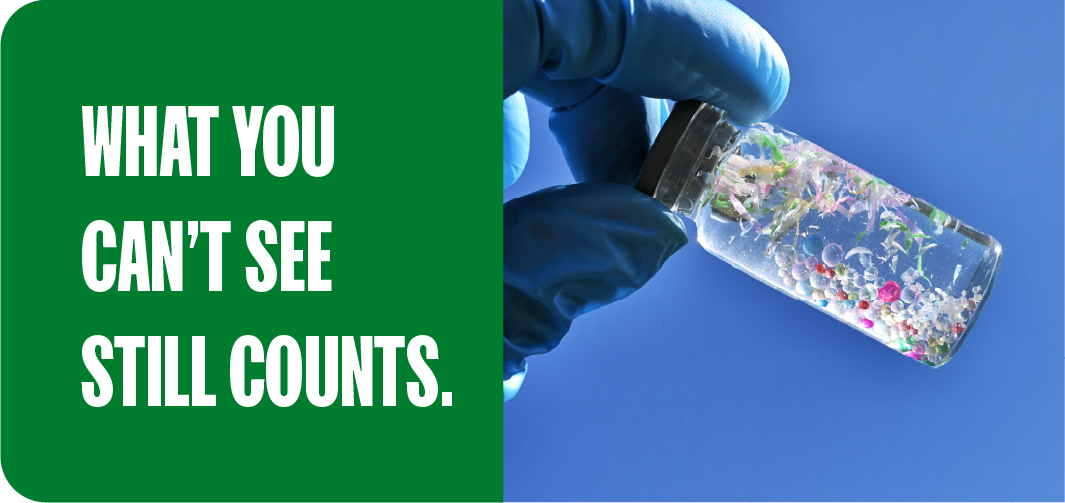
Microplastics are tiny plastic particles, generally smaller than a grain of rice, and often far smaller. Many are so small that you can’t see them at all. They still end up in food and water, which is why they matter.
These particles form when larger plastic items break down. Wear, friction, and heat slowly wear plastic into smaller and smaller bits. Sunlight and repeated use speed that process along.
Once plastic starts breaking apart, it rarely stops. A cup or fork can keep shedding as you handle it, wash it, or warm it. The pieces get smaller, but they don’t disappear.
You’ll find microplastics almost everywhere researchers look, including tap water, seafood, and table salt. Federal regulators note that microplastics and nanoplastics in foods are largely tied to environmental contamination. Because the particles are so tiny, they mix into food and drink without changing how anything looks or tastes.
Some plastics are made small on purpose, while others break off from bigger products over time. If you want the deeper split between the two, see our guide on the types of microplastics. For this article, the key point is simple: plastic foodware can become a source of the particles you swallow.
How Disposable Foodware Releases Microplastics Into Food
Disposable plastic foodware sheds particles through simple wear and tear. Scraping a fork, stirring a drink, or pressing a lid all rub tiny fragments loose. Those fragments can land right in your meal.
Heat is the bigger problem. Hot food and hot liquids soften plastic and pull particles free faster than cold ones do. A steaming soup or coffee draws more out than a cold salad would.
Microwaving takes this even further. When you heat plastic containers, you speed up shedding and release more particles into the food. Studies on how disposable plastics release microplastics in hot water back this up, so the way you reheat matters as much as the container itself.
Oily and acidic foods are worth moving out of plastic too, especially when they’re hot. In fact, chemical migration from packaging is highest in fatty, acidic, or hot foods.
Time on the shelf plays a role too. The longer food sits against plastic, the more contact it has to pick up particles. A quick grab-and-go meal is gentler on this front than food stored in plastic for days. For the wider view, see our guide on how microplastics enter the food chain.
Which Common Disposable Foodware Sheds the Most Microplastics
Not every item is equal. Some disposable plastics shed more than others, usually because of heat, softness, or how much they get handled. The items you use with hot food and drinks tend to be the worst offenders. Here are the common ones to watch.
Plastic Takeout Containers
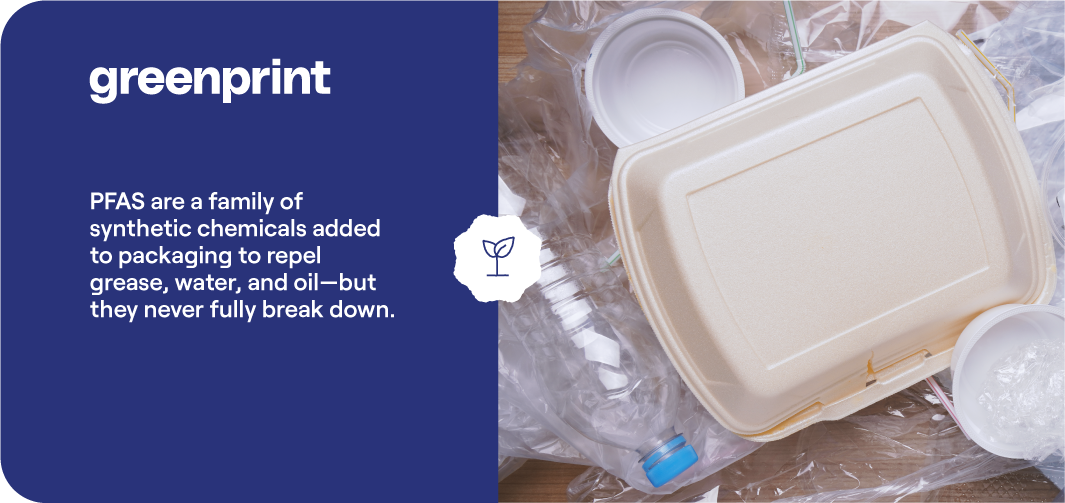
Plastic clamshells and deli containers often hold hot food straight from the kitchen. That heat, plus the tight seal, encourages microplastics in plastic containers to loosen into your meal. Oily and acidic foods can make it worse.
Reheating in these containers adds another round of shedding. If your leftovers came home in plastic, that plastic wasn’t built for the microwave. Warming food inside it raises the amount of particles that end up on your plate.
Even without heat, these containers get plenty of contact time. Food often sits in them from the kitchen to your fridge to your table, one small part of the wider problem of single-use plastics and microplastic pollution. The simplest fix is to move the meal onto a plate or into glass as soon as you can.
Disposable Cups and Lids
Many paper cups are lined with a thin layer of plastic to hold liquid. Hot coffee or tea warms that lining and pulls particles into your drink. The plastic lid on top can add more.
Because these cups are made for hot drinks, they face heat almost every time. That steady warmth is exactly what draws microplastics out. One reason we favor fiber-based barriers that replace plastic laminates is to move away from that trade-off.
Plastic Cutlery and Foam Foodware
Single-use plastic forks and spoons are stiff and brittle. They scrape against plates and teeth, and they crack and splinter with use. Each break can free small fragments into your food.
Polystyrene foam cups and trays are lightweight and easy to crush. They crumble into little pieces that are hard to see and easy to swallow, and they linger long after use, as we cover in what happens to plastic foodware in landfills. Hot food sitting in foam only speeds that breakdown.
Health Risks Linked to Microplastics in Food
Here’s the honest part: the science on microplastics in humans is still developing. Researchers know we swallow these particles, but the long-term health effects are not fully established yet. We don’t want to overstate what the evidence shows.
The main concerns are twofold. One is simply ingesting plastic particles over and over across a lifetime. The other is the chemical additives inside many plastics, such as the phthalates, BPA, and PFAS linked to hormone disruption. Researchers describe some of these as endocrine-disrupting chemicals in plastic food packaging.
Scientists keep studying those long-term effects, which is also why we invest in PFAS testing in compostable certifications. With microplastics in food health risks, the smart move is caution, not panic.
Where does that leave you? You don’t need to fear every meal, but you can make simple choices that cut your contact with plastic. The rest of this guide focuses on exactly that.
How to Reduce Microplastics From Disposable Foodware
You can lower your exposure to microplastics in common disposable foodware with a few easy habits. Most of them come down to keeping heat and plastic apart. Here is how to avoid microplastics in food day to day:
-
Don’t microwave food in plastic containers or lids.
-
Move leftovers to a glass dish before you reheat them.
-
Skip hot food and hot drinks served in disposable plastic.
-
Reuse glass or stainless steel containers whenever you can.
-
For single-use needs, choose certified compostable fiber or paper foodware.
A few more habits help too. Let hot food cool a little before you put it in plastic, and avoid pouring boiling liquid into plastic cups. For more ideas, see these ways to avoid eating and drinking microplastics.
None of these ask you to overhaul your life. When you shop for single-use items, it helps to understand certified compostable versus recycled-content foodware so you match each product to how you’ll dispose of it. Small changes add up.
Compostable Alternatives to Plastic Foodware
When you do need single-use foodware, plant-based options let you skip conventional plastics. At Greenprint®, we make compostable foodware from renewable materials, and we tie every claim to a named certification.
Our Green Dot Compostable Upcycled Agave Straws are made from an enzyme-enhanced agave compound, drawn from upcycled agave waste from tequila production. They’re certified TÜV Austria OK Compost HOME and BPI Commercial. That means they work in both home and commercial composting. Our Green Dot Agave Cutlery is certified for BPI Commercial Compostability, which is why PLA cutlery needs industrial composting rather than a backyard bin.
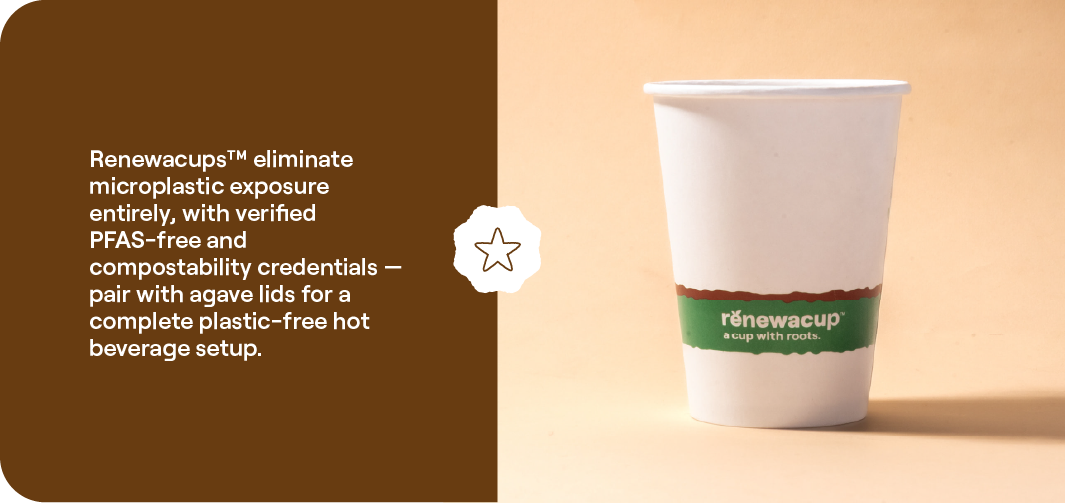
Our Fiberware™ plates, bowls, and clamshells are made from bagasse, the fiber left over from sugarcane. Fiberware™ is certified TÜV Austria OK Compost INDUSTRIAL, and it’s a different material from our agave products. Our Renewacups™ hot cups are plastic-free and PFAS-free, with that PFAS claim verified by third-party testing from Intertek.
We keep these materials separate on purpose. The agave compound in our straws is not the same as the bagasse in Fiberware™. Our Renewacups™ hot cups aren’t made from that agave compound either. Different products use different materials and different composting paths, all spelled out so you know what you’re buying.
That honesty matters to us. Following the FTC Green Guides, a certification tells you a product was tested against a real standard, not just labeled with a nice-sounding word. Home composting and industrial composting aren’t the same, so we mark which path each item needs.
Each product comes with clear composting instructions and a certification you can check. If you’re ready to replace disposable plastic on your line, explore our certified compostable foodservice packaging and match each item to how you’ll actually compost it.
Frequently Asked Questions
Do Paper Takeout Cups Shed Microplastics?
Yes. The thin plastic lining inside the cup sheds particles, especially when it holds hot drinks.
Does Reheating Leftovers in Disposable Containers Increase Microplastics?
Yes. Heat increases shedding, so transfer your food to a glass dish before you reheat them.
Are Compostable Plates and Cups Free of Microplastics?
Fiber-based compostable foodware avoids conventional plastics. Look for products tied to a named certification and third-party PFAS testing.
What Is the Number One Source of Microplastics in Food?
Food packaging and plastic food-contact materials are among the leading dietary sources. That’s why the containers and cups you choose matter so much.
References
- https://www.fda.gov/food/environmental-contaminants-food/microplastics-and-nanoplastics-foods
- https://pmc.ncbi.nlm.nih.gov/articles/PMC11336334/
- https://pmc.ncbi.nlm.nih.gov/articles/PMC12096275/
- https://www.nrdc.org/stories/single-use-plastics-101
- https://www.consumerreports.org/toxic-chemicals-substances/microplastics-phthalates-bpa-pfas-a1059022044/
- https://pmc.ncbi.nlm.nih.gov/articles/PMC10956434/
- https://www.foodandwaterwatch.org/2025/03/27/5-ways-to-avoid-eating-and-drinking-microplastics/
- https://www.ftc.gov/news-events/topics/truth-advertising/green-guides

Earth Day facts that show the scale of the environmental crisis, from plastic and landfill waste to CO2 and wildlife loss. See what the numbers mean for you.

Minnesota plastic ban rules for businesses, including city bag fees, Green To Go takeout packaging, PFAS limits, compostable labels, and EPR dates to plan for.
Reduce reuse recycle explained in plain terms. Learn what each of the 3 Rs means, why the order matters, and how compost completes the set as the 4th R.