

Environmental Impact of Plastic Bottles: What to Know


Content
- What Makes Plastic Bottles a Problem
- How Plastic Bottles Are Made and Why It Matters
- The Impact of Plastic Bottles on Oceans and Wildlife
- Microplastics and Their Effects on Human Health
- Why Recycling Does Not Solve the Plastic Bottle Problem
- What Plastic Bottles Cost Foodservice Businesses
- How to Reduce the Environmental Impact of Plastic Bottles
- Frequently Asked Questions
The Environmental Impact of Plastic Bottles Explained
The environmental impact of plastic bottles is hard to overstate. We use them for a few minutes, then they linger for generations. This article breaks down where the harm comes from, why recycling falls short, and what you can do about it. If you run a foodservice business, the later sections speak directly to you.
What Makes Plastic Bottles a Problem
The core issue is a mismatch. A plastic bottle serves its purpose in minutes, but it can persist in the environment for centuries. That gap between quick use and long afterlife sits at the heart of the environmental impact of plastic bottles.
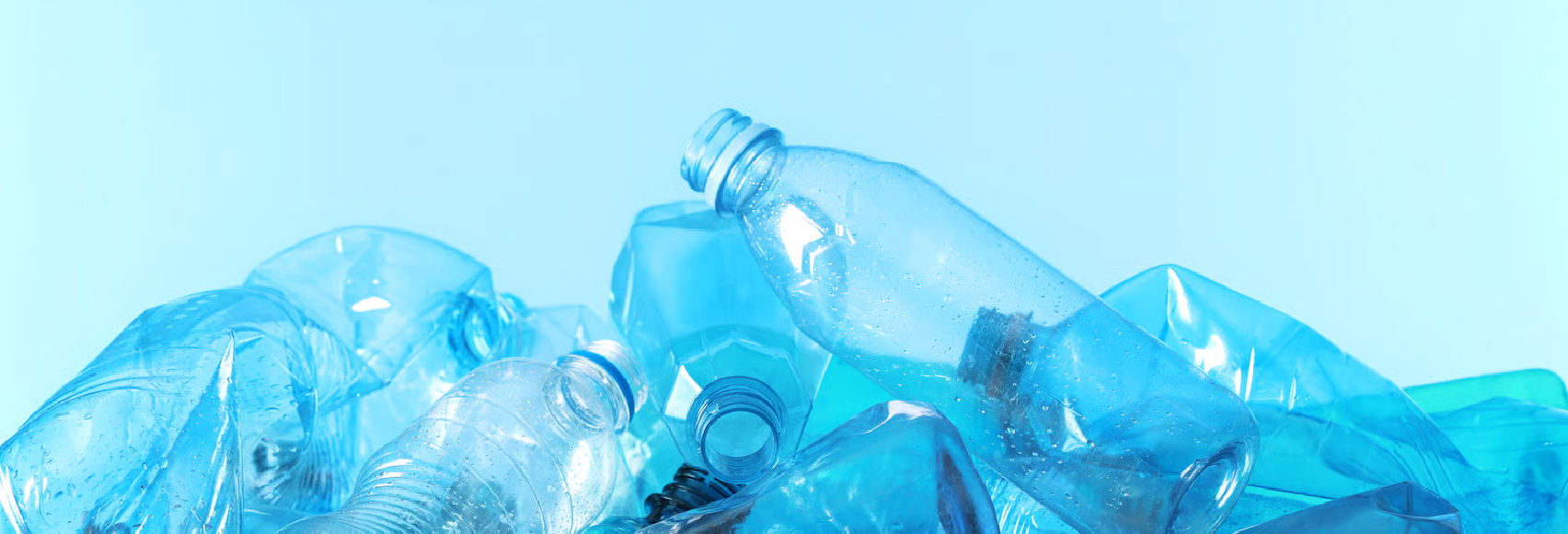
Most bottles are used once and thrown away. They pile up in landfills, waterways, and natural spaces faster than the planet can absorb them. This buildup is what people mean when they talk about plastic water bottle pollution.
Scale makes it worse. We produce and discard these bottles constantly, all around the world, every single day. The federal impacts of plastic pollution keep growing because that steady stream never really pauses.
Convenience is a big part of why. Bottled water and drinks are cheap, portable, and everywhere, so we reach for them without a second thought. The habit feels harmless in the moment, but each bottle adds to a problem that outlasts us all.
Understanding this problem sets up everything that follows. The sections below trace a bottle from creation to its long, messy end. Then we turn to what you can do instead.
How Plastic Bottles Are Made and Why It Matters
The harm starts before a bottle is ever filled. Most plastic bottles are made from PET, a plastic derived from fossil fuels. The PET water bottle life cycle carries a real environmental cost from the moment those fuels leave the ground.
That production also carries a carbon footprint, since extraction and manufacturing both burn energy and release emissions. Research on plastic production and climate change shows a bottle’s damage begins at the refinery, long before it reaches your hand.
Making bottled water also takes water. Producers use it to clean equipment, treat the drink, and run the line. A single sealed bottle can hold less than the process used to fill it.
Then the bottles have to travel. Filled bottles are heavy, and shipping them by truck across long distances burns fuel at every mile. The drink inside is often available from a nearby tap for far less effort.
Distribution keeps adding weight to that footprint. Bottles move from plant to warehouse to store to your back room. Each leg of that trip needs fuel, packaging, and cold storage. The water inside barely changes, yet the miles pile up.
Here is why that matters. If the harm is built into how bottles are made, you cannot fix it at the recycling bin alone. The impact is baked in from the start, which changes how we should think about solutions.
The Impact of Plastic Bottles on Oceans and Wildlife
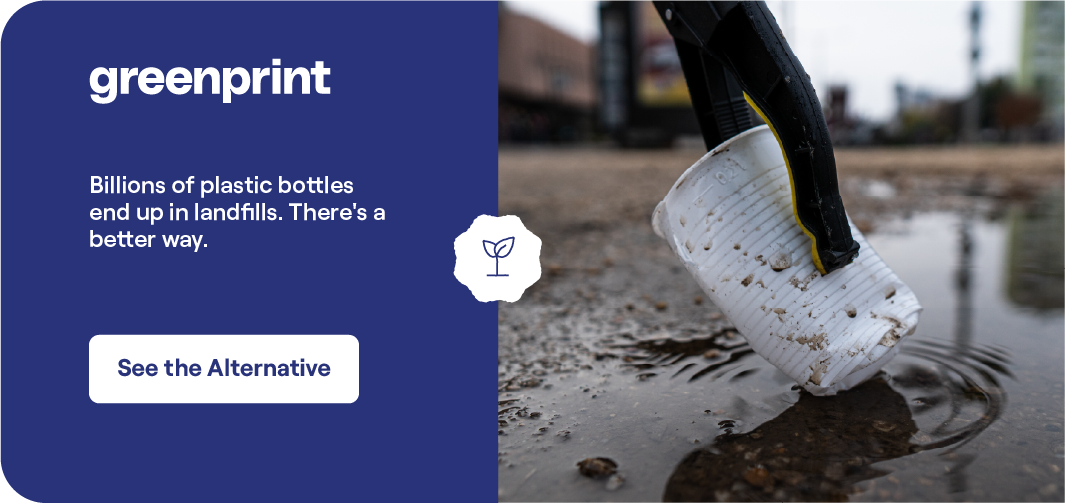
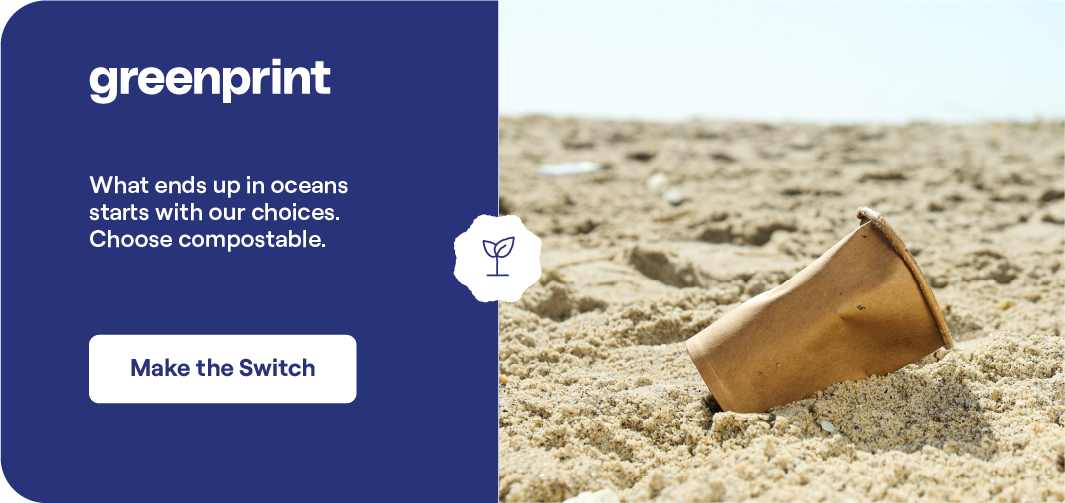
Discarded bottles rarely stay where you drop them. Wind and rain wash them into storm drains, then into rivers, and eventually out to sea. A large share of ocean plastic starts as ordinary litter on land.
Once in the water, bottles and their broken fragments threaten marine life. Animals swallow plastic they mistake for food, and they get tangled in floating debris. Both outcomes can injure or kill them.
The damage does not stop at one animal. Plastic moves up the food chain as creatures eat contaminated prey. This is one of the most visible forms of plastic water bottle pollution. The bottle you toss today can reach a coastline far from home.
Bottles also break apart in the water rather than vanishing. Sunlight and waves grind them into ever smaller pieces that spread across huge distances. As National Geographic notes about plastic lingering in the environment, those pieces settle on beaches, drift in currents, and reach even remote parts of the sea.
For wildlife, that means the threat is everywhere, not just near cities. A seabird or fish far from any coast can still end up eating plastic that began as a discarded bottle.
These fragments also settle and stay put. They collect along shorelines, sink to the seafloor, and lodge in sediment where they resist cleanup. Once a bottle reaches these habitats, it tends to accumulate rather than clear.
Some of it never washes back to where crews can reach it. Currents carry pieces into deep water and remote gyres far from any shore. What stays on the seafloor is effectively out of reach, so the buildup only grows.
Microplastics and Their Effects on Human Health
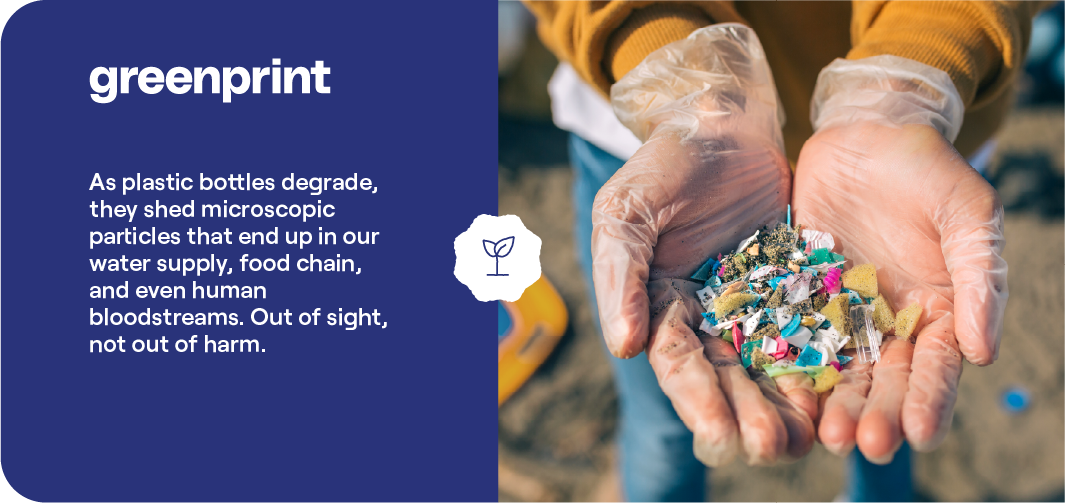
Microplastics are tiny plastic particles, smaller than a grain of rice, that break off larger plastic items. Bottles are a notable source, because they shed particles as they age, heat up, and get squeezed. Those particles can slip from the bottle straight into the water you drink.
From there, they can travel up the food chain into what you eat and drink. This is a key part of the harmful effects of plastic on human health and environment, and independent research on microplastics in bottled water continues to map how far the risks reach. Heat and repeated handling can speed up how fast a bottle sheds these particles.
The bottles-specific angle is worth remembering. The same container meant to protect your water can quietly add plastic to it. A bottle’s plastic never really disappears; some of it ends up inside us.
Why Recycling Does Not Solve the Plastic Bottle Problem
Recycling sounds like the answer, but the reality is messier. Only a small portion of plastic bottles actually get recycled, and knowing which plastics can be recycled is harder than most people assume. The rest are burned or buried.
Even bottles that do get recycled are usually downcycled. A closer look at the compostable versus plastic straw lifecycle shows they become lower-grade products that cannot be recycled again, so the material still reaches a dead end. Most bottles ultimately land in a landfill, where they sit for a very long time.
Sorting and contamination make it harder still. A bottle with the wrong cap, a bit of liquid, or the wrong label can be rejected at the facility. Once rejected, it heads to the same landfill as everything else. A single dirty bottle can even spoil the batch around it.
Recycling is not useless, and you should still do it. But it helps only at the margins, and it does not close the loop. We cannot recycle our way out of single-use plastic, which is why the source matters more than the sorting bin.
What Plastic Bottles Cost Foodservice Businesses
If you run a foodservice business, single-use plastic is more than an environmental issue. It is an operating cost. You pay to store waste, haul it away, and manage the sheer volume it creates behind the scenes.
You also face rising pressure from two directions at once. Regulators in many areas are restricting single-use plastics, and the rules keep tightening. At the same time, customers increasingly notice what you serve their food and drinks in.
That combination adds real risk to your business. Measures like California’s plastic bottle ban show how quickly compliance can shift, and falling behind can hurt your costs and your reputation with guests. Plastic waste shows up on your budget and in how people see your brand.
The costs also hide in places you might not track. Cases of bottles eat storage space, and your staff spend paid time stocking, restocking, and clearing empties. Every bag of waste you set out adds to your disposal logistics.
Those small drains add up across a busy week. Space tied up in bottle inventory is space you cannot use for anything else. Hauling and tipping fees rise with the volume you throw away.
There is an upside here too. Guests increasingly reward businesses that take waste seriously, and a clear stance can set you apart. Handled well, cutting single-use plastic becomes a story you can tell, not just a cost you absorb.
How to Reduce the Environmental Impact of Plastic Bottles
The good news: you have practical options that cut waste and cost at the same time. Start with the simplest wins. Offer refill stations, encourage reusable bottles, and give guests an easy reason to skip single-use plastic.
You can also rethink what you buy in single-use plastic in the first place. A zero-waste restaurant packaging approach looks at where plastic hides in your operation, from drink cups to takeout containers, and targets the easy swaps first. Small changes across many orders add up over time.
Bring your team and your guests along too. Show staff which items go where, and explain why the swap matters when guests ask. Make the compostable choice the default, so skipping single-use plastic takes no extra thought.
A default does the work for you. When the reusable cup or compostable option is the standard pour, guests opt in without being asked. Clear signage and a quick team briefing keep the habit consistent across every shift.
Track your progress as you go. Note which swaps stick, ask staff what slows them down, and adjust your orders around what actually works. A few reliable changes beat a long list you cannot sustain.
For the items you cannot make reusable, switch to certified compostable alternatives. That is where we come in. Greenprint® makes foodservice products designed to break down instead of lingering for centuries.
We do not make water bottles. We do make the cups, plates, straws, and cutlery you hand out every day. Our agave-based straws carry TÜV Austria OK Compost HOME certification, thanks to enzyme technology that lets them break down at home temperatures. Our straws and cutlery are BPI Commercial certified, and our Fiberware™ bagasse plates, bowls, and clamshells hold TÜV Austria OK Compost INDUSTRIAL certification.
None of this asks you to overhaul your whole operation overnight. Swapping your throwaway items for certified compostable foodservice packaging is one of the clearest steps you can take. It lightens your waste load and shows guests you mean what you say.
Frequently Asked Questions
How long does it take a plastic bottle to decompose?
A single plastic bottle can take centuries to fully break down. In practice, it never truly disappears; it just fragments into smaller and smaller pieces.
Are glass or aluminum bottles better for the environment than plastic?
Glass and aluminum are often easier to recycle again and again than plastic, which is a real advantage. Still, every single-use container takes energy to make, so a reusable bottle is usually the better choice.
Are plastic water bottles safe to reuse?
Single-use bottles are built for one use, not repeated refilling. Reusing them, especially with heat, can wear the plastic down over time, so a bottle designed for reuse is the safer pick.
References
- https://www.epa.gov/plastics/impacts-plastic-pollution
- https://nems.nih.gov/sustain/Pages/PETWaterBottleImpact.aspx
- https://www.colorado.edu/ecenter/2023/12/15/impact-plastic-climate-change
- https://education.nationalgeographic.org/resource/one-bottle-time/
- https://www.beyondplastics.org/fact-sheets/plastic-bottles


Illinois plastic bans and regulations explained: hotel bottle law, Chicago bag tax and foodware rules, local bans, and pending bills. Plan your compliance now.

Learn how to reduce carbon footprint at home with simple steps for energy, heating, food, and waste. Start with easy swaps your whole household can keep up.
Are styrofoam cups safe? See how styrene, heat, microwaving, and reuse change foam cup safety, and find foam-free cup options for hot and cold drinks.