

Types of Microplastics: Primary vs Secondary Explained


Types of microplastics: primary vs. secondary explained
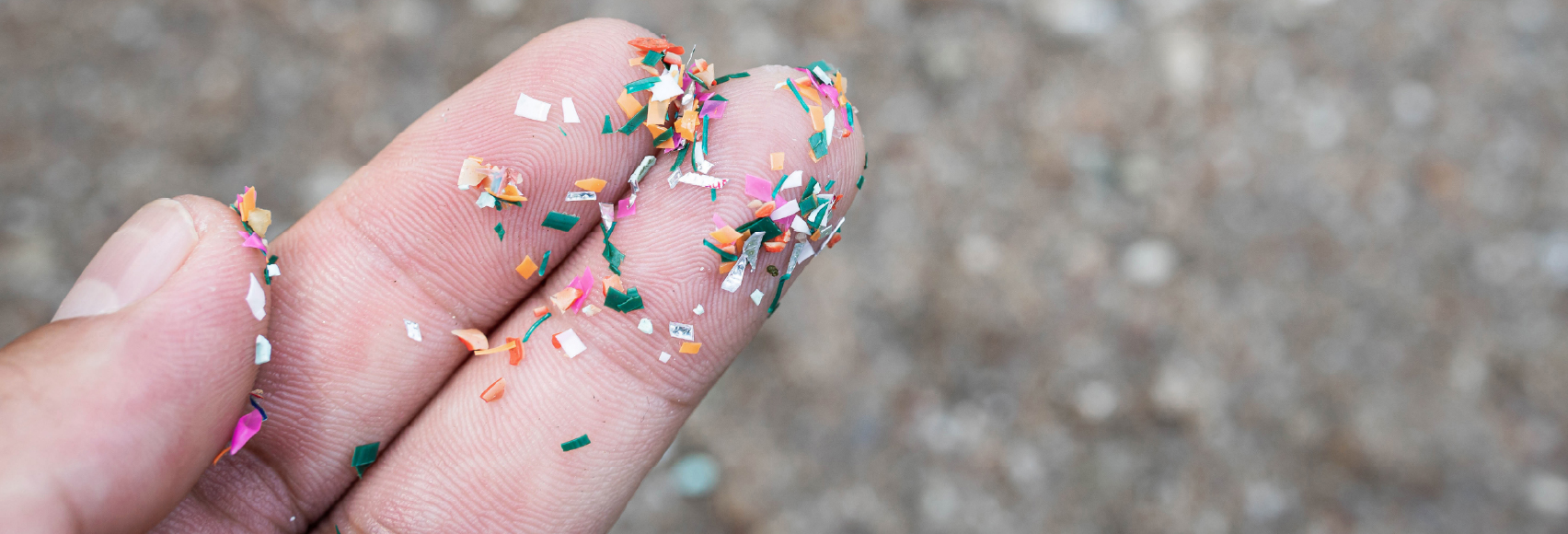
Every year, millions of tons of plastic waste break apart into fragments too small to see. These tiny particles, called microplastics, now show up in drinking water, soil, oceans, and even human tissue. Understanding the types of microplastics, specifically primary and secondary microplastics, is the first step toward reducing their spread. This guide breaks down where each type comes from, why the distinction matters, and what you can do about it.
What Are Microplastics
Microplastics are plastic particles smaller than 5 millimeters. The U.S. Environmental Protection Agency (EPA) classifies them in a size range from 1 nanometer to 5 millimeters. To put that in perspective, most are smaller than a grain of rice, and many are invisible to the naked eye.
These particles are found nearly everywhere. Researchers have detected them in ocean water, freshwater rivers, agricultural soil, indoor air, and tap water. Their chemical structure resists natural breakdown, so they persist in the environment for decades or longer.
You encounter microplastics daily, often without realizing it. They enter your food through contaminated water and packaging materials. They circulate in the air you breathe indoors and outdoors. Because they are so small and widespread, the question isn’t whether you’re exposed, but how much.
Primary Microplastics vs. Secondary Microplastics
Scientists classify microplastics into two categories based on how they form. Primary microplastics are manufactured at microscopic size on purpose. Secondary microplastics result from larger plastic items breaking down over time. Both end up in the same places, but they come from very different starting points. Understanding this distinction helps clarify which sources are preventable and how.
What Are Primary Microplastics
Primary microplastics are intentionally produced at a small size for specific uses. Manufacturers design them for industrial, commercial, or cosmetic applications. Because they are created at micro scale from the start, they enter the environment in their final form.
Common examples of primary microplastics include:
-
Microbeads: Tiny plastic spheres added to facial scrubs, toothpaste, and body washes for their abrasive texture. They wash down the drain and pass through most water treatment filters.
-
Nurdles: Pre-production plastic pellets shipped to factories as raw material for molding larger products. Spills during transport and handling release billions of these pellets into waterways each year.
-
Synthetic abrasives: Plastic particles used in sandblasting, industrial cleaning, and surface preparation.
-
Plastic powders: Fine polymer powders used in coatings, 3D printing, and rotational molding.
The Microbead-Free Waters Act of 2015 banned microbeads in rinse-off cosmetics sold in the United States. This federal law recognized that wastewater treatment plants could not filter out these particles before they reached rivers and oceans. It remains one of the few regulations directly targeting primary microplastics.
| Type | Source | Common Products |
|---|---|---|
| Microbeads | Cosmetics manufacturing | Facial scrubs, body washes, toothpaste |
| Nurdles | Plastic resin production | Raw material for all plastic goods |
| Synthetic abrasives | Industrial cleaning | Sandblasting media, surface prep |
| Plastic powders | Specialty manufacturing | Coatings, 3D printing materials |
What Are Secondary Microplastics
Secondary microplastics form when larger plastic objects degrade through UV exposure, mechanical stress, wind, waves, and temperature changes. Unlike primary microplastics, nobody designs them to be small. They’re the unintended result of plastic waste fragmenting in the environment.
Secondary microplastics account for the majority of microplastic pollution globally. That’s because the volume of discarded plastic products far exceeds the volume of intentionally manufactured microparticles. Every plastic bag, bottle, straw, and food container has the potential to become thousands of secondary microplastic fragments. Plastic straws alone are among the top contributors to ocean plastic debris.
Common examples of secondary microplastics include:
-
Tire dust: Rubber and synthetic polymer particles worn off tires on roadways, then washed into waterways by rain.
-
Textile microfibers: Tiny threads that shed from polyester, nylon, and acrylic fabrics during washing and everyday wear.
-
Packaging fragments: Pieces of plastic bags, food wrappers, and containers that crack and flake after sun exposure.
-
Single-use plastic breakdown: Straws, cups, utensils, and bottles that fragment over months and years in landfills, waterways, and soil.
Disposable cups and beverage containers are a significant source of secondary microplastics because their thin plastic linings degrade quickly when exposed to heat and sunlight. For a closer look at how plastic-lined cups shed particles into beverages, see microplastic contamination in disposable cups.
| Type | Degradation Cause | Where Found |
|---|---|---|
| Tire dust | Road friction, mechanical wear | Roadside soil, stormwater, rivers |
| Textile microfibers | Washing, friction during wear | Wastewater, oceans, indoor dust |
| Packaging fragments | UV light, weathering | Beaches, landfills, soil |
| Single-use plastic pieces | UV, wind, water erosion | Waterways, oceans, landfills |
Common Sources of Microplastics
Microplastics enter the environment through everyday activities. Knowing the sources of microplastics helps you identify where small changes make a real difference.
Laundry and textiles (secondary). Washing synthetic clothing releases microfibers into wastewater. A single load of polyester laundry can shed hundreds of thousands of fibers. These secondary microplastics pass through many water treatment systems and flow into rivers and oceans. Patagonia, for example, has funded microfiber research and now recommends customers use microfiber-catching wash bags to reduce fiber shedding from their synthetic garments.
Tires and road dust (secondary). Vehicle tires contain synthetic rubber and plastics that wear down on pavement. Rain carries these secondary microplastic particles into storm drains, rivers, and eventually the ocean. Tire wear is one of the largest single sources of microplastic pollution in many countries.
Personal care products (primary). Despite the Microbead-Free Waters Act, some imported or non-rinse-off products still contain primary microplastic ingredients. Glitter, liquid polymers in lotions, and film-forming agents in hair products also contribute primary microplastics to wastewater.
Food packaging (secondary). Conventional plastic containers, wraps, and bags degrade over time, releasing secondary microplastics. Heat and UV exposure accelerate fragmentation, which is why plastic food containers left in sunlight break down faster.
Paint and coatings (both). Exterior paints and marine coatings chip and flake, adding secondary microplastics to soil and water. Some industrial paints contain primary microplastic additives for texture and durability.
Industrial processes (primary). Plastic manufacturing facilities lose nurdles and plastic dust during production and transport. These primary microplastics enter waterways through spills and inadequate containment systems.
How Microplastics Affect the Environment and Human Health
Microplastics create problems at every level of the ecosystem. In the ocean, marine animals mistake small plastic fragments for food. Fish, seabirds, sea turtles, and filter-feeding organisms like mussels ingest these particles, which can block their digestive systems and introduce toxic chemicals into the food web.
On land, microplastics accumulate in agricultural soil. They alter soil structure, affect water retention, and can transfer chemicals to crops. Earthworms and other soil organisms ingest these particles, disrupting the underground ecosystems that keep soil fertile.
The human health picture is still developing, but early findings are concerning. Researchers have detected microplastics in human blood, lung tissue, and placental samples. Studies suggest these particles may carry harmful chemicals like phthalates and bisphenol A into the body. The NOAA Marine Debris Program documents how microplastics attract and concentrate pollutants from surrounding water, amplifying their potential toxicity.
The connection between microplastic types and their impact pathways matters. Primary microplastics from personal care products flow directly into water systems through household drains. Secondary microplastics from packaging and single-use items enter the environment more broadly through landfills, littering, and weathering.
Both types ultimately concentrate in the same places: oceans, freshwater sources, soil, and food. Reducing the input of both categories is necessary to limit exposure.
How To Reduce Microplastic Pollution
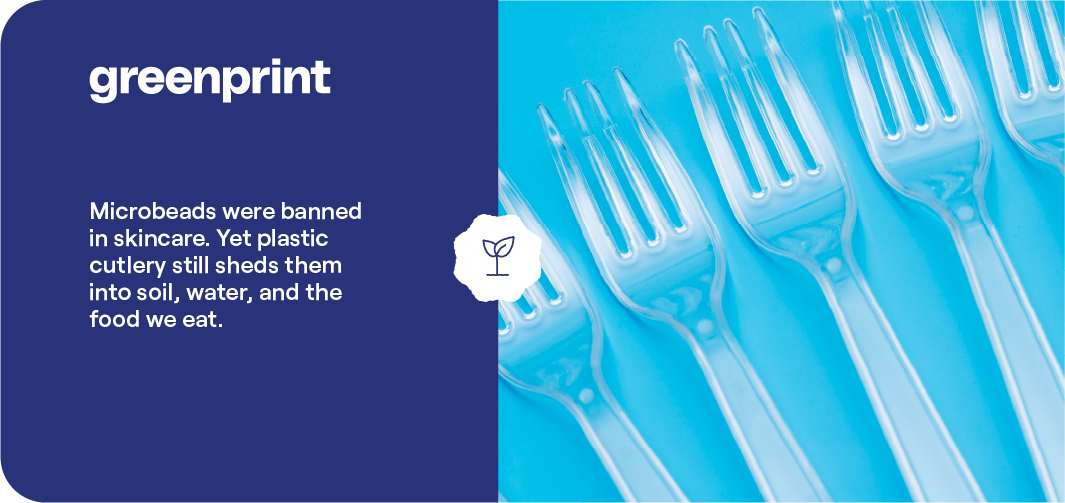
Reducing microplastic pollution requires action at both the individual and systemic level. Here are practical steps that address the root sources.
Choose certified compostable alternatives to conventional single-use plastics. Products certified to break down fully in composting conditions don’t fragment into persistent microplastic particles the way conventional plastics do. Look for third-party certifications like BPI (commercial composting) or TÜV Austria OK Compost HOME (home composting) rather than vague, unqualified claims. The FTC Green Guides require that compostability claims be backed by scientific testing and clearly state the conditions needed. For a deeper look at what these certifications mean, see the science behind compostability testing.
Filter your laundry water. Microfiber-catching bags and washing machine filters reduce the synthetic fibers that enter wastewater from each load. This is one of the most effective household-level interventions for secondary microplastics from textiles.
Support plastic reduction policies. Extended producer responsibility laws, single-use plastic bans, and microplastic filtration mandates all reduce the volume of plastic entering the environment. Contact your representatives and support organizations working on these initiatives.
Reduce single-use plastic consumption. Every conventional plastic straw, cup, or utensil that you replace with a certified compostable or reusable alternative is one fewer item that can fragment into microplastics over time. Certified compostable straw alternatives for foodservice are one place to start.
At Greenprint®, we make this switch practical. Our certified compostable home-compostable agave straws and BPI-certified agave cutlery are designed to break down fully under composting conditions rather than persisting as microplastic fragments. The straws use enzyme-enhanced agave-based material certified for home composting at 20–30°C (TÜV Austria OK Compost HOME), while the cutlery holds BPI certification for commercial composting at 55–60°C. Standard PLA requires industrial composting facilities to break down. Home compostability at ambient temperatures isn’t a general property of PLA or other bioplastics used in foodware. It requires Greenprint’s proprietary enzyme masterbatch technology, which catalyzes PLA breakdown at temperatures as low as 20°C.
| Material | End-of-Life Outcome | Composting Requirement | Certification |
|---|---|---|---|
| Conventional single-use plastic | Persists as microplastic fragments | Does not compost | None |
| Standard PLA | Breaks down in industrial facilities | 55–60°C (industrial only) | BPI / TÜV INDUSTRIAL |
| Greenprint enzyme-enhanced agave-PLA | Fully breaks down at home temperatures | 20–30°C (home composting) | TÜV Austria OK Compost HOME |
Whether you compost at home or through a municipal program, understanding the difference between home and industrial composting pathways helps you choose the right products for your setup.
Frequently Asked Questions
Are Microfibers Primary or Secondary Microplastics?
Microfibers are secondary microplastics. They shed from synthetic fabrics like polyester and nylon during washing and everyday wear.
Can Microplastics Be Removed From Water?
Filtration systems and advanced water treatment processes can reduce microplastics, but no current method removes them completely from all water sources.
How Do Microplastics End Up in Food?
Microplastics enter the food supply through contaminated water used in irrigation, plastic packaging that sheds particles, and airborne microplastics that settle on crops during production.
References
- https://www.epa.gov/water-research/microplastics-research
- https://www.congress.gov/bill/114th-congress/house-bill/1321
- https://marinedebris.noaa.gov/what-marine-debris/microplastics
- https://bpiworld.org
- https://www.ftc.gov/legal-library/browse/federal-register-notices/guides-use-environmental-marketing-claims-green-guides


Learn how the Colorado plastic ban and single-use plastic laws affect your business, from the bag fee and foam ban to local rules. Get compliant today.

See the Hawaii plastic ban and single-use plastic laws for Honolulu, Maui, Hawaii County, and Kauai, with dates, fines, and compliant foodware tips for 2026.

Nanoplastics vs. microplastics comes down to size. Learn how they differ, why researchers worry more about nanoplastics, and simple ways to reduce exposure.