

The Impact of Plastic Straws
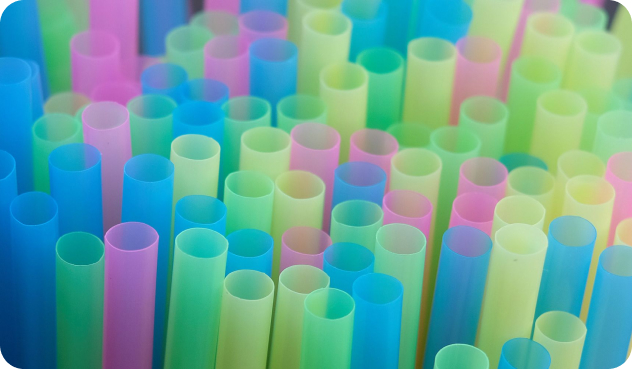


Plastic straws are a pervasive source of pollution and are considered one of the top 10 contributors to ocean debris. Few people fully realize the impact of plastic straws on the environment, but they significantly threaten many environments.
The Use of Plastic Straws
In the U.S. alone, we use approximately 500 million plastic straws daily. Residents of the United Kingdom also use billions of plastic straws each year.
Single-use plastic straws are a popular solution due to their convenience. They can be commonly found at:
- Offices and company events
- Picnics and parties
- Fast food establishments
- Community centers and other gathering spaces
- Schools and higher education institutes
- Attached to single-serving beverage boxes
The popular use of these straws is far from ideal due to their negative environmental impact.
Environmental Impact of Plastic Straws
With less than 9% of all plastic being recycled, millions of disposable straws end up in landfills each day. They release harmful chemicals as they break down or become incinerated.
Plastic straws are also a significant cause of pollution, with scientists extrapolating that over eight billion straws are on the world’s coastlines alone. That amount doesn’t account for plastic straws in landfills, the ocean, or land-based ecosystems.
Straws wreak havoc on ocean environments, where they get eaten or sucked into the respiratory system of mammals, turtles, and other animals. Once consumed, disposable straws get stuck in gullets, nostrils, and other body parts. In less severe cases, this may simply cause discomfort. More often, it results in the animal’s death.
Estimates for affected animals say that around 200,000 marine mammals die from straw-related incidents annually.
How Long Do Plastic Straws Take to Decompose?
Like many other single-use plastics, disposable straws have a distressingly long half-life. Plastic straws in landfills may take up to 200 years to decompose. Those entering oceans or other environments may take even longer to disintegrate.
What Happens to Discarded Plastic Straws?
While a few cities recycle straws, most are destined for landfills or the environment. This result is largely due to the difficulty of recycling plastic straws.
Several difficulties make recycling plastic straws difficult or impossible:
- Type of plastic used: Most disposable plastic straws do not consist of recyclable plastic. The ones that consist of polypropylene are technically recyclable, but few recyclers are willing to take on straw recycling.
- Shape and size: Due to their shape and small size, straws aren’t ideally suited for recycling by most mechanized recycling plants. They fall through gaps in machinery and can lead to equipment damage, among other problems.
- Contamination: Some plastic straws consist mainly of recyclable plastic, but they may also contain secondary plastic. This contamination makes them unsuitable for recycling with pure plastics.
Because of these recycling difficulties, you will find most discarded straws in a landfill, where they may take hundreds of years to decompose.
Explore Greenprints’ Alternatives to Plastic Straws
Fortunately, you can significantly reduce the impact of plastic straws by turning to alternatives. From single-use options to reusable straws, there are more sustainable options:
- Agave straws: Basic agave straws are fully compostable—you may dispose of them in your home composting system. Plastic-agave blends are biodegradable and decompose in a bioactive landfill within three years.
- Metal straws: Metal straws are an excellent alternative to plastic. They’re washable and reusable, so you can carry your straws, wash them after use, and create no plastic waste.
- Wood straws: Wooden and bamboo straws may be reusable or biodegradable, depending on their design. Both options are more sustainable than plastic.
- Paper straws: As the most common sustainable single-use straw option, paper straws are a good compostable choice.
Whether for business or personal use, compostable straws are a valuable alternative to plastic.
References


The widespread use of single-use disposable cups is a recognized environmental concern. Whether made of plastic or foam, disposable cups…

Is it possible to remove single-use products from your foodservice operations? In an industry that relies heavily on disposable foodware,…
Not all compostable cups handle heat the same. A cup that works perfectly for cold brew might fail with hot…