

The Impact of Plastic Straws


Content
- The Use of Plastic Straws
- What Are the Environmental Impacts of Plastic Straws?
- How Long Do Plastic Straws Take to Decompose?
- What Happens to Discarded Plastic Straws?
- What Plastic Straw Alternatives Can You Use?
- Explore Greenprint's® Alternatives to Plastic Straws
- Frequently Asked Questions
- Choose Sustainable Straws for Your Business
The Impact of Plastic Straws
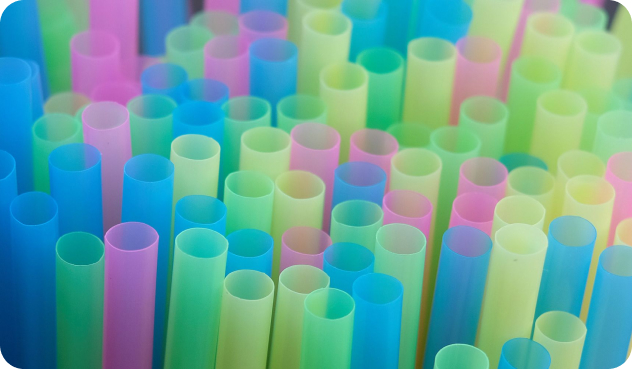
Plastic straws are a pervasive source of pollution and are considered one of the top 10 contributors to ocean debris. Few people fully realize the impact of plastic straws on the environment, but they significantly threaten many environments.
The Use of Plastic Straws
**The U.S. alone is **estimated to use around 500 million plastic straws daily. Residents of the United Kingdom also use billions of plastic straws each year.
Single-use plastic straws are a popular solution due to their convenience. They can be commonly found at:
- Offices and company events.
- Picnics and parties.
- Fast food establishments.
- Community centers and other gathering spaces.
- Schools and higher education institutes.
- Attached to single-serving beverage boxes.
The popular use of these straws is far from ideal due to their negative environmental impact.
What Are the Environmental Impacts of Plastic Straws?
Globally, only about 9% of plastic is recycled, so millions of disposable straws end up in landfills each day. They release harmful chemicals as they break down or become incinerated.
Increased Waste and Pollution
Plastic straws are also a significant cause of pollution, with scientists extrapolating that up to 8.3 billion straws are on the world’s coastlines alone. That amount doesn’t account for plastic straws in landfills, the ocean, or land-based ecosystems.
Because straws are light and small, they slip out of bins and travel through storm drains and waterways to the ocean. There, marine wildlife can mistake them for food or become entangled. A widely shared video of a sea turtle with a straw lodged in its nose helped bring this harm into public view.
Conventional plastic doesn’t break down naturally, so it stays intact unless recycled. A single plastic straw can take up to 200 years to break down. Their light weight and size also make them hard to recycle and easy to miss during trash collection.
Release Microplastics and Toxins
The minute plastic particles that straws release, called microplastics, contaminate water, soil, and animals. Microplastics from unrecycled and worn straws can make their way into waterways. There they affect our water supply and food chain as wildlife, marine animals, and soil absorb them.
These microplastics carry toxins from plastic’s raw form, petroleum, which can affect your health and wellness. Some conventional straws are made with polystyrene, or can leach compounds such as BPA that researchers have linked to health concerns.
According to WWF, plastic debris kills around 100,000 marine mammals each year through ingestion or entanglement, and lightweight straws that reach the ocean add to that toll.
Unsustainable, Harmful Production
Standard plastic straws are made from a by-product of petroleum, polypropylene. To make a single-use straw requires natural resource extraction, eating into limited amounts of petroleum that exist. Plastic manufacturing processes also use lots of energy and emit toxic fumes, increasing global pollution and adding to an ever-growing global warming crisis.
To match the quick-use and mass consumption described above, these harmful processes must happen at high rates.
These environmental and health effects have led to the banning of plastic straws in various countries. Several U.S. states have banned plastic straws, including California, Oregon, Washington, Vermont, Maine, Rhode Island, New York, and New Jersey.
There have also been global movements to implement similar policies, notably the EU and Canada’s banning of all single-use plastics in 2021. Straws are at the center of a worldwide effort to reduce plastic use and waste.
How Long Do Plastic Straws Take to Decompose?
Like many other single-use plastics, disposable straws have a distressingly long half-life. Plastic straws in landfills may take up to 200 years to decompose. Those entering oceans or other environments may take even longer to disintegrate.
What Happens to Discarded Plastic Straws?
While a few cities recycle straws, most are destined for landfills or the environment. This result is largely due to the difficulty of recycling plastic straws.
Several difficulties make recycling plastic straws difficult or impossible:
- Type of plastic used: Most disposable plastic straws do not consist of recyclable plastic. The ones made of polypropylene are technically recyclable, but few recyclers will take them on.
- Shape and size: Straws aren’t suited for most mechanized recycling plants. They fall through gaps in machinery and can damage equipment.
- Contamination: Some straws are mainly recyclable plastic, but they may also contain secondary plastic. This mix makes them unsuitable for recycling with pure plastics.
Because of these recycling difficulties, you will find most discarded straws in a landfill, where they may take hundreds of years to decompose.
What Plastic Straw Alternatives Can You Use?
To promote sustainability and expand market options for single-use products, more and more manufacturers are innovating substitutes for plastic. You can now purchase straws made from:
- Agave.
- Paper.
- Bamboo.
- Polylactic acid (PLA).
- Polyhydroxyalkanoates (PHA).
- Steel.
No single material is automatically greener. The right choice depends on your local waste system, whether that means home composting, industrial composting, or recycling. Following the FTC Green Guide, we recommend matching a straw to the disposal route your community actually supports.
Explore Greenprint’s® Alternatives to Plastic Straws
You can reduce the impact of plastic straws by choosing options built for a defined end of life. Our two agave straw lines solve different problems, so we label them clearly.
Our Green Dot Compostable Upcycled Agave Straws are certified to TÜV Austria OK Compost HOME and BPI Commercial Compostability. An enzyme masterbatch catalyzes hydrolysis of the PLA chains, so the straws break down in a backyard compost bin at 20 to 30°C.
That is rare. Standard PLA without enzyme technology needs industrial composting at 55 to 60°C and fails home compostability certification. Our internal biodegradation study, GP-BIO-001, documented full breakdown by Week 20 in home compost conditions, which supports the TÜV certification.
Our Blue Dot PCR Upcycled Agave Straws tell a recycled-content story. They are made with a minimum of 50% post-consumer recycled content blended with upcycled agave fiber. Following the FTC Green Guide, we state clearly that Blue Dot straws are not compostable. Their value is in the recycled and upcycled inputs, not end of life.
Other common alternatives suit different needs:
- Metal straws: Washable and reusable, so they create no single-use waste.
- Wood and bamboo straws: Reusable or single-use depending on design, and more sustainable than plastic.
- Paper straws: A widely available single-use option that many communities can compost.
Whether for business or personal use, our compostable straws are a valuable alternative to plastic.
Frequently Asked Questions
Why Are Plastic Straws Bad for the Environment?
In practice they are rarely recycled, they can persist for up to 200 years, and they harm marine life through ingestion and entanglement.
Is It Bad to Drink From a Plastic Straw?
Some straws can shed microplastics or leach additives such as BPA. Researchers have linked these to health concerns, though risk varies by product and use.
How Long Does a Plastic Straw Take to Break Down?
A single plastic straw can take up to 200 years to break down.
What Is the Most Sustainable Straw Alternative?
It depends on your local waste system. If you have backyard composting, our Green Dot Upcycled Agave Straws are certified TÜV Austria OK Compost HOME and BPI Commercial Compostability.
Are Plastic Straws Banned in the US?
Several U.S. states restrict them, including California, Oregon, Washington, and New York, and more regulations continue to emerge.
Choose Sustainable Straws for Your Business
Ready to move beyond plastic straws? Explore our sustainable solutions or contact our team today to match the right straw to your local waste system.
References
- https://www.nationalgeographic.com/adventure/article/plastic-straws-ocean-trash-environment
- https://www.oecd.org/en/about/news/press-releases/2022/02/plastic-pollution-is-growing-relentlessly-as-waste-management-and-recycling-fall-short.html
- https://phys.org/news/2018-04-science-amount-straws-plastic-pollution.html
- https://wwf.org.au/blogs/the-lifecycle-of-plastics/
- https://wwf.org.au/blogs/plastic-in-our-oceans-is-killing-marine-mammals/

Earth Day facts that show the scale of the environmental crisis, from plastic and landfill waste to CO2 and wildlife loss. See what the numbers mean for you.

Minnesota plastic ban rules for businesses, including city bag fees, Green To Go takeout packaging, PFAS limits, compostable labels, and EPR dates to plan for.
Reduce reuse recycle explained in plain terms. Learn what each of the 3 Rs means, why the order matters, and how compost completes the set as the 4th R.