

Recycled Plastic vs. Bioplastics


Content
- What Is Recycled Plastic?
- What Are Bioplastics?
- What’s the Difference Between Recycled Plastic and Bioplastics?
- Material Advantages and Considerations
- Real-World Examples of Recycled Plastics and Bioplastics
- Choosing The Right Material for Your Restaurant
- Why It Matters
- Adopt Sustainability With Recycled Plastic and Bioplastic Products
Sustainable materials are becoming essential in everyday life. Many people are trying to adopt more sustainable shopping habits, and they also want peace of mind that the packaging, cups, and containers they use are responsible choices.
Two materials often considered are recycled plastic and bioplastics. Both aim to reduce environmental impact, but they differ in their manufacturing processes, performance, and disposal methods after use. Understanding the distinctions helps you make informed decisions that align with your sustainability goals.
What Is Recycled Plastic?
Recycled plastic is created by collecting and reprocessing existing plastic waste. This process reduces landfill use and conserves resources. The material provides consistent performance and a clear sustainable pathway. It is also widely used in packaging, textiles, construction materials, and durable goods.
What Are Bioplastics?
Bioplastics are plastic-like materials from renewable organic sources like sugarcane, corn, or algae. These ingredients are used to create a biomass that is then transformed into various products. Bioplastics are often used in packaging, disposable cutlery, and specialty applications.
What’s the Difference Between Recycled Plastic and Bioplastics?
Both recycled plastic and bioplastics aim to make sustainability easier, but they differ in several key ways.
| KEY DIFFERENCES BETWEEN RECYCLED PLASTICS AND BIOPLASTICS | ||
|---|---|---|
| ASPECT | PLASTIC | BIOPLASTICS |
| Origin | Made from petroleum-based plastics that have already been used and discarded | Made from plants or other biological materials |
| Destination | Designed to move back into recycling systems for reuse | Certain types can break down through composting or biodegradation under the right conditions |
| Solutions | Supported by widespread recycling facilities | Supported by the growth of compost facilities |
| Sustainability focus | Keeps plastics in use longer | Introduces renewable alternatives |
Material Advantages and Considerations
Each material brings its own strengths to the table, along with a few considerations worth noting. Here’s how recycled plastic and bioplastics compare in everyday use:
Recycled Plastic Advantages
Recycled plastic offers practical benefits that make it a dependable choice in various applications:
- Resource efficiency: Recycling extends the life of existing plastics and reduces demand for producing new plastics.
- System readiness: It fits smoothly into established recycling programs that are already in place.
- Consistent performance: It provides durability and reliability for packaging and everyday items.
Recycled Plastic Considerations
The following factors are worth noting when using recycled plastic:
- Sorting requirements: It needs proper collection and processing.
- Material variation: The quality can change after multiple recycling cycles.
- Design alignment: Not all plastic types are equally recyclable.
Bioplastic Advantages
Many bioplastics introduce renewable options for developing sustainable products. Benefits include:
- Renewable sourcing: Bioplastics use raw organic materials that reduce reliance on fossil fuels.
- Carbon benefits: Production often results in smaller greenhouse gas footprints.
- Compostable innovation: They enable packaging and food containers designed for composting systems.
Bioplastic Considerations
Bioplastics also come with practical points to keep in mind for effective use:
- Biodegradability limits: Not all bioplastics are biodegradable or compostable.
- Regional differences: Infrastructure for composting varies by location.
- Resource management: Agricultural resources need careful oversight to balance land use.
Real-World Examples of Recycled Plastics and Bioplastics
Sustainability is already being practiced by global brands and foodservice operators. The following examples show how recycled plastics and bioplastics are integrated into everyday operations:
- Coca-Cola: Introduced bottles made with recycled plastic and PET plastic bottles made partially from plants
- PepsiCo: Developed bioplastic bottles and expanded recycled PET (rPET) use across beverage lines
- Nestlé: Reducing virgin plastic use by one-third by 2025 and developing bio-based, compostable and biodegradable materials for packaging
- Starbucks: Adopted sustainable products like reusable cups, recycled packaging, and compostable straws in select markets
- McDonald’s: Transitioning away from virgin fossil fuel-based plastics and exploring innovations that help increase demand for recycled plastics across packaging and toys
Choosing The Right Material for Your Restaurant
For restaurant owners, packaging and utensil choices shape both customer experience and brand identity.
Recycled plastics provide durability for straws, lids, cups, and take-out containers, while working seamlessly with existing recycling systems. Some bioplastics offer renewable and compostable options that resonate with eco-conscious diners, especially in areas with proper composting facilities.
Choosing between recycled plastic and bioplastics ultimately depends on your local infrastructure, menu requirements, and customer expectations.
Why It Matters
Understanding customers is essential for any business. For foodservice operators, market trends show that diners are increasingly expecting restaurants to demonstrate environmental responsibility.
Restaurants that adopt sustainable packaging and practices may see stronger customer loyalty, improved reputation, and smoother compliance with evolving regulations. Being more environmentally friendly contributes to reducing waste and also positions your business as a leader in sustainable dining.
Adopt Sustainability With Recycled Plastic and Bioplastic Products
Greenprint makes it easy to integrate sustainable and ethical products into your food business. We have recycled plastic cups and containers, agave-based straws, and various bioplastic products that are home or industrial compostable. Your restaurant can support a circular economy by partnering with us.
Contact our team today to learn more about our sustainable solutions for food packaging.
References
- https://www.epa.gov/trash-free-waters/frequently-asked-questions-about-plastic-recycling-and-composting
- https://www.coca-colacompany.com/about-us/sustainability
- https://www.coca-cola.com/us/en/about-us/faq/what-is-plantbottle-packaging
- https://www.pepsico.com/esg-topics/packaging
- https://www.nestle.com/sustainability/waste-reduction
- https://www.nestle.com/sustainability/waste-reduction/packaging-strategy
- https://about.starbucks.com/stories/category/people-impact/sustainability/
- https://corporate.mcdonalds.com/corpmcd/our-purpose-and-impact/our-planet/packaging-toys-and-waste.html
- https://www.askattest.com/blog/articles/restaurant-trends


The widespread use of single-use disposable cups is a recognized environmental concern. Whether made of plastic or foam, disposable cups…
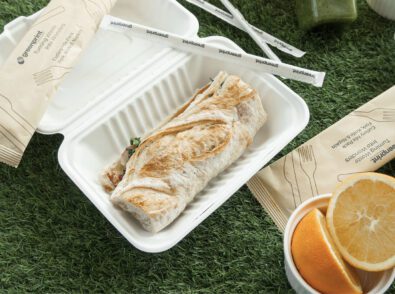
Is it possible to remove single-use products from your foodservice operations? In an industry that relies heavily on disposable foodware,…
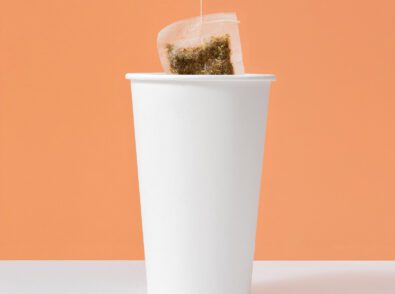
Not all compostable cups handle heat the same. A cup that works perfectly for cold brew might fail with hot…