

Reduce Reuse Recycle: The 3 Rs and Why Compost Is 4th
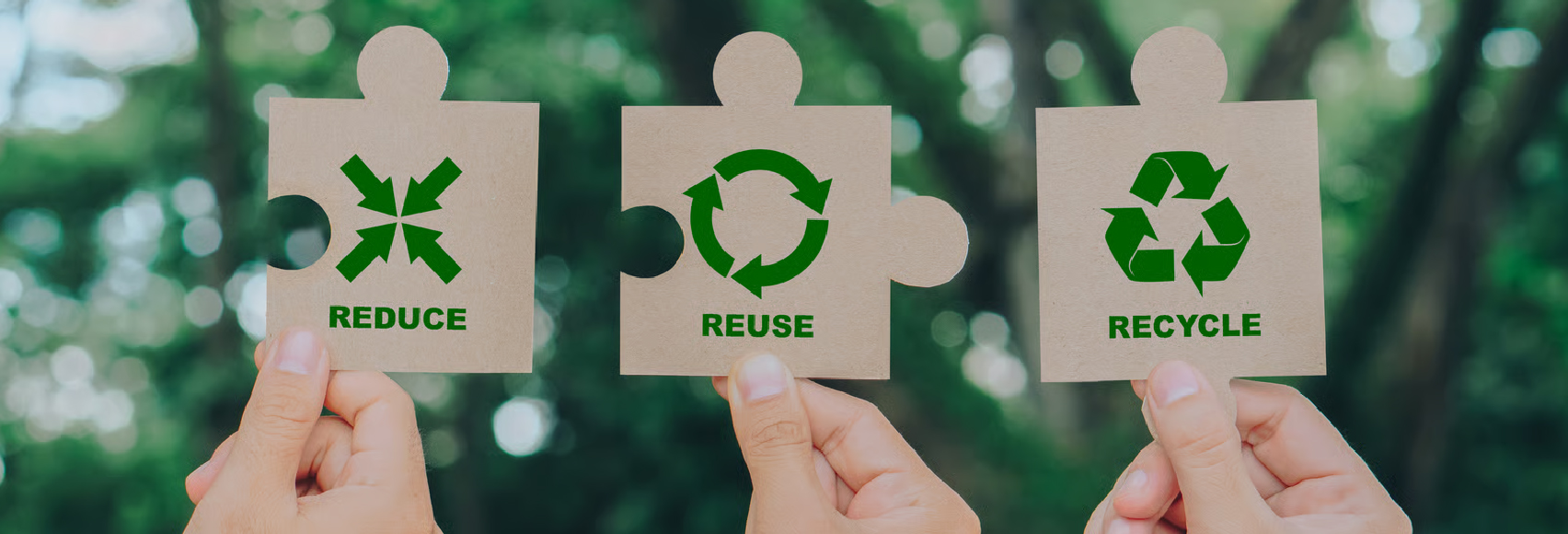


Reduce, Reuse, Recycle: What the 3 R’s Mean and the Missing 4th R
Reduce, reuse, recycle is a ranked plan for waste: use less, use things again, then recycle what’s left. At Greenprint®, we add a fourth R, compost, for the food scraps and food-soiled items that recycling can’t take. This guide explains each R and how your restaurant can put all four to work.
What Are the 3 R’s of Waste?
The 3 R’s are reduce, reuse, and recycle. Reduce means creating less waste in the first place. Reuse means using an item again before it becomes trash.
Recycle means turning used materials into new products. That’s the basic reduce, reuse, recycle meaning in plain terms.
When people ask what are the 3 R’s, they often picture the recycling bin first. Yet recycling comes last of the three. The order is the point: each R is a better choice than the one after it.
The set also has a gap. Food scraps and food-soiled packaging don’t fit any of the three. Compost completes the set as a fourth R for that organic waste.
For a restaurant, the 3 R’s touch every part of the day. They shape what you order, how you serve, and what ends up in each bin out back.
Why Does the Order of the 3 R’s Matter?
A waste hierarchy is a ranked list of ways to handle waste, ordered best to worst. The EPA’s waste management hierarchy ranks strategies from most to least environmentally preferred. Source reduction and reuse sit at the top.
Recycling and composting come next. Energy recovery follows, and treatment and disposal, including landfills, come last. EPA calls source reduction, also known as waste prevention, the most environmentally preferred strategy.
The logic is simple. Preventing waste beats managing it. Waste you never create needs no truck, no sorting line, and no landfill space.
That’s why the 3 R’s of waste management read like a to-do list in order of impact. For a restaurant, the hierarchy turns into a simple habit.
Before you ask “Can this be recycled?”, ask whether you need it at all. Then ask if you can use it again. Recycling is the backup plan for whatever is left.
What Does Reduce Mean?
Reduce means using less to begin with. It sits at the top of the hierarchy, and buying fewer items means throwing fewer away.
The best reduce, reuse, recycle examples for a kitchen start here:
-
Portion food to match what guests actually eat.
-
Offer condiments, napkins, and utensils on request.
-
Cut extra packaging layers, like bags around items that are already wrapped.
-
Buy staples in bulk to cut down on shipping packaging.
-
Check what gets tossed at the end of each shift.
These steps don’t ask guests to give anything up. They remove items no one wanted in the first place.
Reduce applies to food, too. When you prep to match demand, you cut both wasted food and the packaging that came with it.
Your suppliers can help. Ask vendors to ship in fewer boxes or in returnable crates. Each layer they skip is one less item for your staff to sort.
What Does Reuse Mean?
Reuse means using an item again before it becomes waste. EPA groups reuse with source reduction at the top of its hierarchy. A reused item replaces a new one.
For dine-in service, durable dishware is the clearest example. Plates, cups, and cutlery that go through the dishwasher can serve guests for years.
Refill programs work too. Some operators let regulars bring back a cup or container for a refill. Check your local health code before you start one.
Reuse also works behind the counter. Sturdy prep containers, bus tubs, and storage bins can replace single-use wrap and bags.
Takeout is where reuse hits its limits. Food leaves your building, and most containers don’t come back. That’s where single-use items still play a role, and where your choice of material matters.
Reuse can also mean giving a material a second life in a new form. We explain that idea in our guide to upcycling and downcycling.
What Does Recycle Mean?
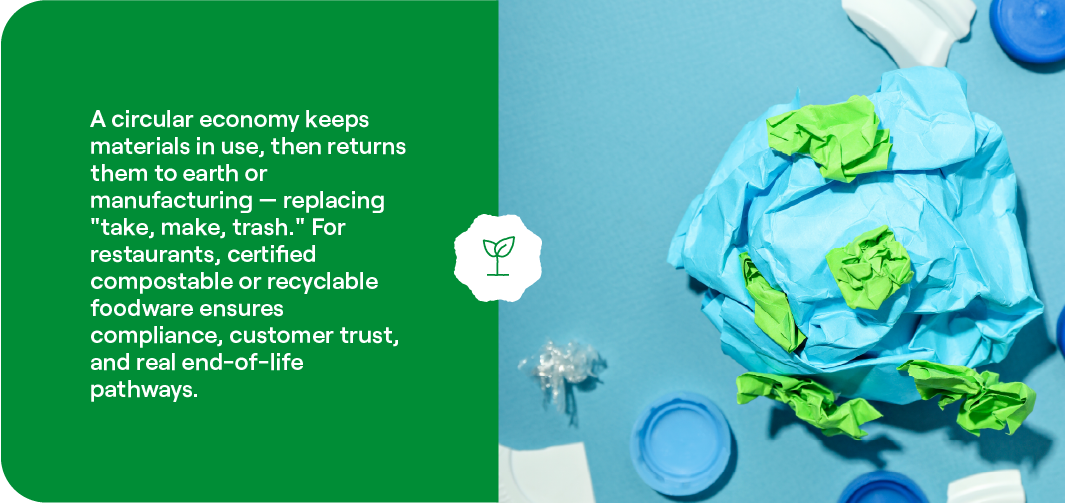
Recycling turns used materials into new products. EPA’s recycling basics describe it as collecting and processing would-be trash into something new. EPA breaks the loop into three steps:
-
Recyclables are collected and processed into raw materials.
-
Manufacturers turn those materials into new products.
-
Buyers purchase products made from recycled materials, which closes the loop.
EPA also says products should only be recycled if they can’t be reduced or reused. That’s the hierarchy at work again.
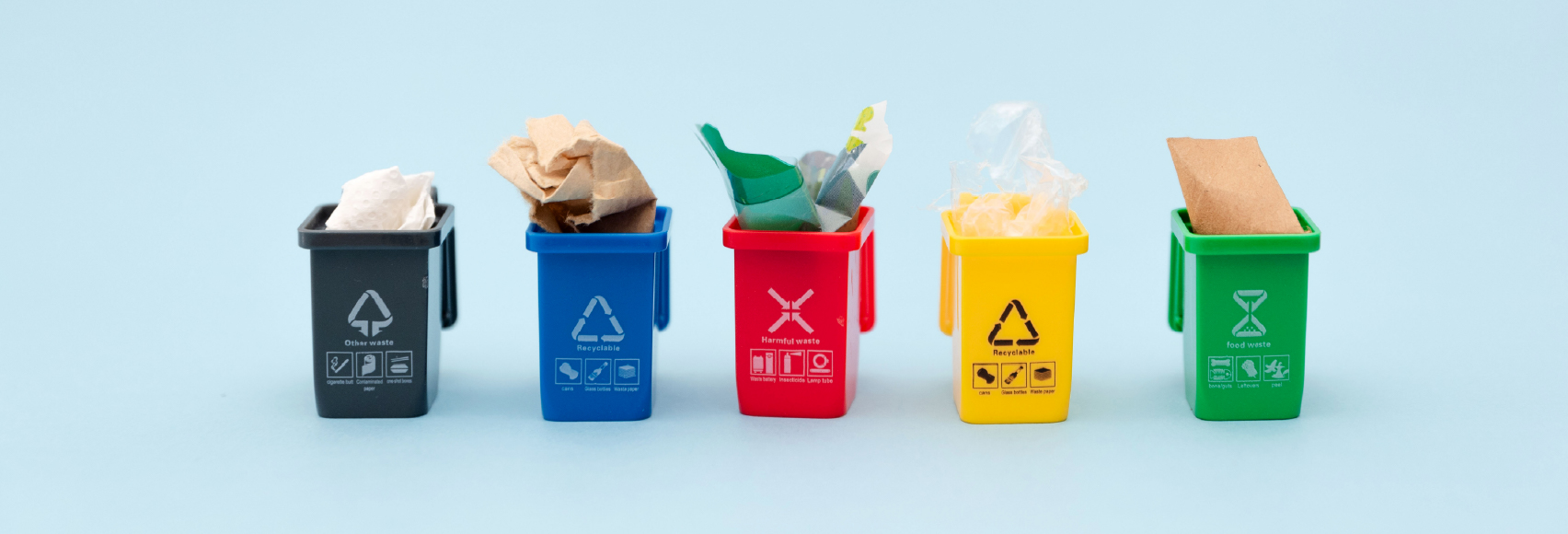
Recycling only works when the bin stays clean. Contamination means items that don’t belong in recycling end up mixed in with the good material. Food and food-soiled paper are on EPA’s list of recycling don’ts.
EPA warns that non-recyclable items can spoil a whole load, causing all of it to be thrown out. Think greasy pizza boxes and sauce-coated takeout containers. EPA notes that wet or food-soiled paper may be compostable instead.
Clean plastic isn’t always accepted either. Our guide to which plastics are recyclable covers the details. Recycled-content packaging is also a different claim from compostable, and we compare them in compostable vs. recycled content.
Why Is Compost the Missing 4th R?
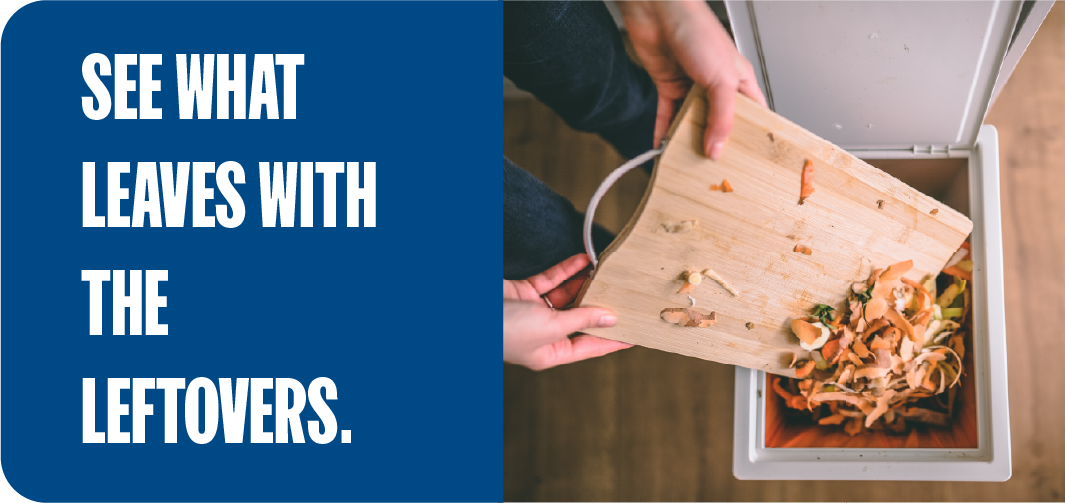
Recycling has a blind spot: food. Food scraps and food-soiled items can’t be recycled, but they can be composted.
Composting is the managed, aerobic (oxygen-required) breakdown of organic material by microorganisms, according to EPA’s composting guide. The finished compost goes back into soil. EPA even calls composting nature’s way of recycling.
EPA’s hierarchy groups composting with recycling in the same tier. We think it deserves its own name. That’s Greenprint’s framing of the 4 R’s: reduce, reuse, recycle, compost.
Composting vs. recycling comes down to materials. A clean bottle and a plate of leftovers need different paths. Giving compost its own R tells staff and guests exactly where food waste goes.
Recycling | Composting | |
|---|---|---|
What it takes | Clean paper, metal, glass, and accepted plastics | Food scraps, yard trimmings, and accepted compostable items |
What spoils it | Food and food-soiled items | Items that aren’t organic or aren’t accepted |
What it makes | New products | Compost for soil |
The stakes are highest for food. EPA says wasted food in landfills generates methane, a powerful greenhouse gas. We cover this in more depth in our article on food waste in landfills.
EPA’s Wasted Food Scale ranks composting above landfilling, incineration, and sending food down the drain. That scale applies to wasted food only. It also ranks prevention and donation above compost, so compost never replaces reduce and reuse.
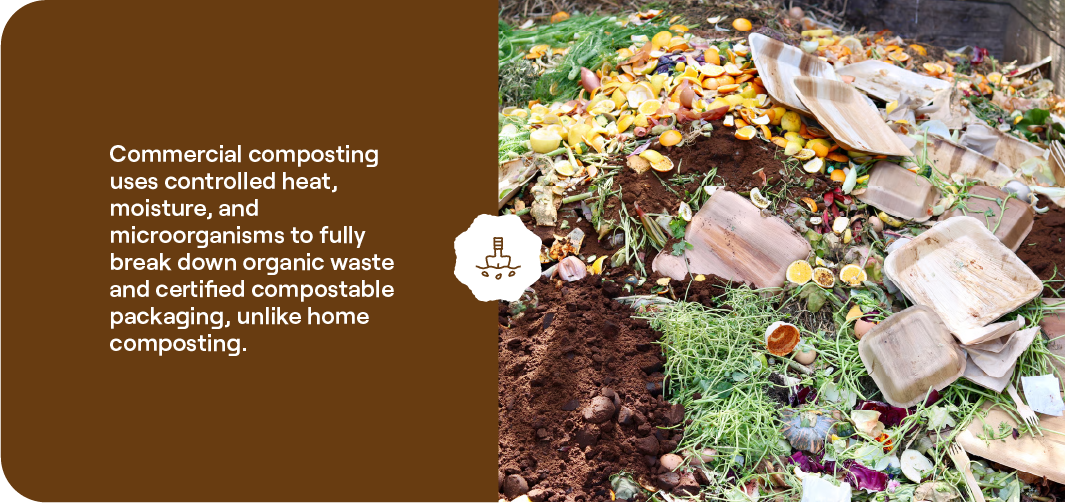
Composting can happen in a backyard pile or at a commercial facility. Commercial composting means large, managed sites that process organic waste, including items a backyard pile can’t break down. We explain the differences in home vs. commercial composting, and list what belongs in the bin in what you can compost.
Reduce, reuse, recycle, compost: that’s the full order we recommend.
How Can Restaurants Put All 4 R’s to Work?
Use the 4 R’s as a checklist, in order. Each step shrinks what’s left for the next one.
-
Cut what you don’t need, like unrequested condiments and extra bags.
-
Switch dine-in service to durable dishware, and offer refills where your health code allows.
-
Recycle clean paper, metal, glass, and the plastics your hauler accepts.
-
Compost food scraps and certified compostable foodware where a local facility accepts them.
Steps three and four depend on clear sorting. Put recycling and compost bins side by side, and label them with pictures. Train staff on what goes where, and check the bins after busy shifts.
The compost step depends on your local program. Some accept only food scraps, while others also take compostable packaging. Our guide to food scrap composting programs explains how to get started.
Track your progress with a quick look in the bins each week. If the trash fills up with food, the compost step needs work. If recycling is greasy, sorting needs a refresher.
You don’t need to do everything at once. Start with the biggest source of waste in your kitchen, then work down the list. To build a fuller plan, see our guide to a zero-waste restaurant program.
Where Does Certified Compostable Foodware Fit?
Certified compostable foodware is the 4th-R choice for single-use items that leave with food on them. Think takeout clamshells, cups, straws, and cutlery. Once soiled, these items usually can’t be recycled, and they can’t be reused.
Compostables don’t replace reduce or reuse. Cut what you don’t need, use durable ware where you can, and choose compostables for what’s left. A certification shows a product passed third-party testing against a compostability standard.
Our Compostable Agave cutlery is BPI Commercial certified. Our Fiberware™ clamshells, plates, and bowls carry TÜV Austria OK Compost INDUSTRIAL certification. We break down each label in compostable certifications explained.
Facility acceptance matters just as much. EPA notes that compostable foodservice ware can go to commercial facilities that accept it. Check locally before you switch.
If no facility near you accepts it, compostables will likely end up in the trash. Read our advice for no local composting access.
We follow the FTC Green Guides for environmental claims, which call for specific, qualified environmental claims. So we name each certification and tell you which composting path each product needs. Once you’ve confirmed your local program, browse our compost-ready foodservice packaging to match each item to it.
FAQ
What Are the 4 R’s of Waste Management?
The 4 R’s are reduce, reuse, recycle, and compost, in that order. EPA groups composting with recycling, but we treat compost as its own R for food scraps and food-soiled items.
What Are the 5 R’s?
One common version of the 5 R’s is refuse, reduce, reuse, repurpose, and recycle. It adds refusing items you don’t need and finding new uses for items before you recycle them.
Is Composting Better Than Recycling?
Neither is better overall, because they handle different materials and sit in the same tier of EPA’s hierarchy. Recycle clean paper, metal, glass, and accepted plastics, and compost food scraps and accepted compostable items.
Can Compostable Packaging Go in the Recycling Bin?
No, keep it out of recycling. In one city’s example, Portland’s recycling guidance says compostable plastics contaminate plastic recycling.
References
- https://www.epa.gov/smm/sustainable-materials-management-non-hazardous-materials-and-waste-management-hierarchy
- https://www.epa.gov/recycle/recycling-basics-and-benefits
- https://www.epa.gov/recycle/frequent-questions-recycling
- https://www.epa.gov/recycle/composting-home
- https://www.epa.gov/sustainable-management-food/wasted-food-scale
- https://www.ecfr.gov/current/title-16/chapter-I/subchapter-B/part-260
- https://www.portland.gov/bps/garbage-recycling/news/2025/12/22/can-i-recycle

Worm composting turns kitchen scraps into rich castings. Learn which worms to buy, how to set up a bin, what to feed them, and how to harvest compost.

Illinois plastic bans and regulations explained: hotel bottle law, Chicago bag tax and foodware rules, local bans, and pending bills. Plan your compliance now.

Learn how to reduce carbon footprint at home with simple steps for energy, heating, food, and waste. Start with easy swaps your whole household can keep up.