

Maryland Plastic Ban: Single-Use Rules for Businesses



Maryland Plastic Ban: Single-Use Rules Businesses Must Know
The Maryland plastic ban is not one statewide law. Instead, individual counties and cities set their own single-use plastic rules. That means what applies to your business depends on where you operate. This guide helps restaurant and retail operators find the rules that cover their location.
Does Maryland Have a Statewide Plastic Ban?
No. Maryland has no single statewide ban on single-use plastics. The state regulates these products at the county and city level, so the picture looks more like a patchwork than a single state plastic bag legislation mandate.
So your obligations depend on your address. A shop in Montgomery County follows different rules than one in Baltimore City. A restaurant in Howard County may face limits that a neighboring county does not.
This patchwork can feel confusing if you run more than one location. Checking each local ordinance is the first step. When rules differ across sites, treat every location as its own compliance project.
The county-by-county approach exists because Maryland has not passed one bag law for the whole state. Local governments moved first to cut plastic waste in their areas. As a result, the map keeps changing as more councils act.
Maryland did pass a packaging producer responsibility law in 2025, which shifts some packaging waste costs to producers. That law works differently from the local bag bans in this guide. We cover EPR in depth in a separate guide.
Maryland Counties and Cities With Plastic Bag Bans
Here is a quick way to see whether your location is covered. The table below compares the major Maryland jurisdictions with plastic bag rules. Use it to spot what is restricted, the paper-bag fee, and when the rule took effect.
A growing list of Maryland communities has adopted these rules. More may follow, so recheck your local ordinance each year. For the national picture on which states ban plastic bags, and for ongoing plastic ban law guides, we keep separate resources.
Jurisdiction | What’s Restricted | Paper-Bag Fee | Effective Date |
|---|---|---|---|
Montgomery County | Single-use plastic carryout bags at retail | 10 cents | January 1, 2026 |
Baltimore City | Single-use plastic bags at sale, pickup, or delivery | 5 cents on alternatives | 2022 |
Baltimore County | Single-use plastic checkout bags at point of sale | Set by ordinance | November 1, 2023 |
Prince George’s County | Single-use carryout bags at retail | Set by ordinance | Per Better Bag Bill |
Anne Arundel County | Single-use plastic carryout bags | Set by ordinance | Passed June 2023 |
Howard County | Certain single-use plastics at food service facilities | Not applicable | January 1, 2022 |
Easton | Single-use plastic carryout bags | Set by ordinance | Per town ordinance |
Montgomery County and the Bring Your Own Bag Law
Montgomery County’s Montgomery County bag law took effect January 1, 2026. Retailers no longer provide single-use plastic carryout bags at checkout.
Stores may offer paper or reusable bags instead. Paper bags come with a 10-cent fee per bag. Customers who bring their own bags avoid the charge.
If you operate in Montgomery County, plan your bag inventory around this rule. Set the paper-bag fee as a clear line on each receipt. Train cashiers to explain the charge so checkout stays smooth.
You can also stock branded reusable bags for sale. Many customers welcome a durable bag they can bring back on future visits. This turns a rule into a small marketing opportunity for your store.
Baltimore City, Baltimore County, and Other Jurisdictions
Several Maryland jurisdictions have their own rules. Baltimore City’s Comprehensive Bag Reduction Act (in effect 2022) bans single-use plastic bags at point of sale, pickup, or delivery, and the city offers Baltimore City bag reduction act guidance for residents and businesses. The city also applies a 5-cent charge on alternatives. Baltimore County prohibited single-use plastic checkout bags at point of sale, effective November 1, 2023. Prince George’s County’s “Bag It Right” Better Bag Bill prohibits distributing single-use carryout bags at retail. Anne Arundel County passed Bill 19-23, the Bring Your Own Bag Plastic Reduction Act, in June 2023. Since January 1, 2022, Howard County has barred certain single-use plastics at food service facilities, and Easton has its own bag ban. Check the table above for the details that apply to you. Then read the full text of your local ordinance for exact terms.

What the Bans Cover and Bag Fees
Most Maryland bans target the same thing: thin single-use plastic carryout bags handed out at checkout. These are the flimsy bags used to carry purchases home. The bans focus on this format because it is hard to reuse or recycle.
Thicker reusable plastic bags are treated differently in many ordinances. Some rules set a minimum thickness for a bag to count as reusable. Read your local definition so you know which bags still qualify.
Enforcement usually falls to the local government that passed the rule. Penalties and warnings differ by jurisdiction, so do not assume one county’s approach matches another. Confirm the enforcement details in your own ordinance.
The rules usually leave some bags alone. Common exemptions include produce and bulk bags, along with newspaper bags. Bags for loose items like fruit or hardware often stay legal. Always confirm the exemptions in your local ordinance before you change your supply.
Many people call the paper-bag fee a “bag tax.” It is really a per-bag charge, typically 5 to 10 cents depending on the jurisdiction, meant to encourage reusable bags. The retailer collects it at the register as a separate line item. Keeping that fee visible helps customers understand the cost and choose reusable options.
Rules on where the fee money goes vary by jurisdiction. Check your local ordinance for fee remittance requirements so you report and remit the charge correctly.
How Businesses Can Comply With Maryland’s Rules
Staying compliant is straightforward once you follow a short checklist. It also protects you from fines and customer confusion. Our plastic regulation guide for businesses goes deeper, but these steps cover the basics for each location you run:
-
Confirm your county or city rule, since obligations change by jurisdiction.
-
Stop stocking the banned single-use plastic carryout bags.
-
Set up the paper-bag fee as a clear point-of-sale line item.
-
Switch to approved paper, reusable, or certified compostable plastic alternatives for restaurants.
-
Train staff on the rule and post signage so customers know what to expect.
-
Keep records of your bag purchases and fees in case of an audit.
Multi-location operators should assign one person to track each rule. Local ordinances update, and effective dates shift, so a single owner keeps you current. Build a quick calendar reminder to review your rules each quarter.
Talk to your suppliers early about compliant bags and foodservice items. Ask for products that meet your county’s definitions and any certification you need, such as certified compostable cutlery. A short conversation now can prevent a last-minute scramble before an effective date.
Timing matters, too. Note the effective date for your jurisdiction and prepare before it arrives. A short lead time lets you sell through old inventory and brief your team.
If your signage or marketing makes a sustainability claim, keep it accurate. The FTC Green Guide expects claims like “compostable” to be truthful and backed by a specific certification. Match your wording to what the product is actually certified for, and avoid vague labels that could mislead customers.
Compostable and Reusable Alternatives for Foodservice
You can meet the rules and cut waste at the same time. Reusable bags, paper bags, and certified compostable foodservice items all help you move away from single-use plastic regulations quickly. The right mix depends on your menu, your volume, and your local ordinance.
For retail checkout, sturdy reusable bags and paper bags cover most bans. For foodservice, look past the bag and review your straws, cutlery, and containers. Switching these items keeps you ready as more jurisdictions expand their rules.
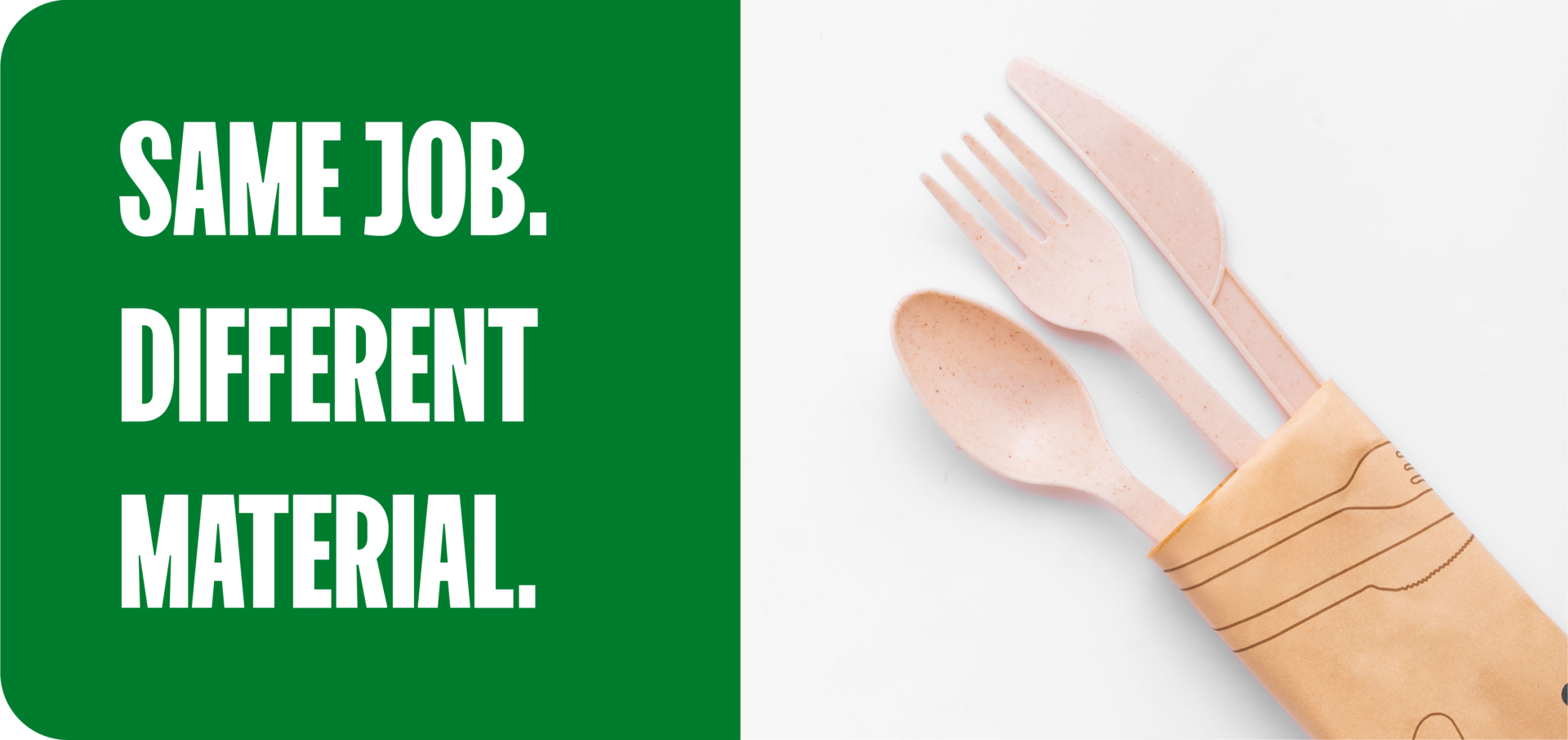
At Greenprint®, we make certified compostable foodservice products for operators. Our cutlery carries BPI Commercial certification for commercial composting. Our Compostable Agave straws break down at home compost temperatures thanks to our enzyme technology. They are certified to TÜV Austria OK Compost HOME.
Choosing the right item comes down to how it will be discarded. Cutlery is built for commercial composting, while our agave straws suit home composting. Certifications can get technical, so we keep a full composting certifications explained guide.
When you market these products, keep your claims specific. The FTC Green Guide expects a “compostable” label to name the setting where the item breaks down. Point customers to the certification rather than a broad sustainability promise. That accuracy builds trust and keeps your marketing on the right side of the rules.
Making the switch can also improve how guests see your business. Many customers notice when a restaurant chooses compostable straws and cutlery. That signal supports your brand while you meet the local rule.
For a compliant swap, explore our certified compostable foodservice packaging and match each product to your local rule.
Frequently Asked Questions
Are plastic bags still allowed anywhere in Maryland?
Yes. Maryland has no statewide ban, so plastic carryout bags may still be allowed in areas without a local ordinance. Check your county or city rule.
When did the Montgomery County plastic bag ban take effect?
Montgomery County’s Bring Your Own Bag Law took effect January 1, 2026. Retailers no longer provide single-use plastic carryout bags and offer paper bags for a 10-cent fee.
Do Maryland’s bans apply to compostable bags?
It depends on the local ordinance. Most bans target thin single-use plastic carryout bags. Rules for certified compostable bags vary by jurisdiction, so confirm your local requirements.
Do single-use plastic bans actually reduce waste?
Local bag rules aim to reduce plastic waste by shifting shoppers toward reusable bags. Results vary by community, so review your jurisdiction’s own reporting for specifics.
References
- https://www.ncsl.org/environment-and-natural-resources/state-plastic-bag-legislation
- https://www.montgomerycountymd.gov/bag
- https://www.baltimoresustainability.org/for-residents/
- https://cdn.airops.com/rails/active_storage/blobs/proxy/eyJfcmFpbHMiOnsiZGF0YSI6NjE3NTk4ODI4LCJwdXIiOiJibG9iX2lkIn19--083959e00ac3ba09965550d33bd2d144093df865/74_Maryland%20Plastic%20Ban%20&%20Single-Use%20Plastic%20Regulations_2.png
- https://www.ftc.gov/news-events/topics/truth-advertising/green-guides

Microplastics in the ocean come mostly from land-based plastic. Learn how they get there, why they matter for marine life, and simple ways to cut plastic waste.

Massachusetts plastic ban rules vary by town. See which single-use plastics are restricted, how paper bag fees work, and how your business can comply.
Learn how to avoid microplastics with easy swaps for your water, food, and kitchen, plus certified compostable foodware that cuts plastic in the waste stream.