

Microplastics in the Ocean: How They Get There


Content
- What Are Microplastics in the Ocean?
- Where Ocean Microplastics Come From
- How Microplastics Reach the Ocean
- Where Microplastics Go Once They Reach the Sea
- How Microplastics Harm Marine Life and Ecosystems
- What Ocean Microplastics Mean for People
- How to Reduce Microplastics in the Ocean
- Frequently Asked Questions
Microplastics in the Ocean: How They Get There and Why It Matters
Microplastics in the ocean are tiny plastic pieces now found from the surface waves down to the deep seafloor. Most of them started as everyday plastic on land before reaching the sea. This guide explains how they get there and why it matters for marine life and for you.
What Are Microplastics in the Ocean?
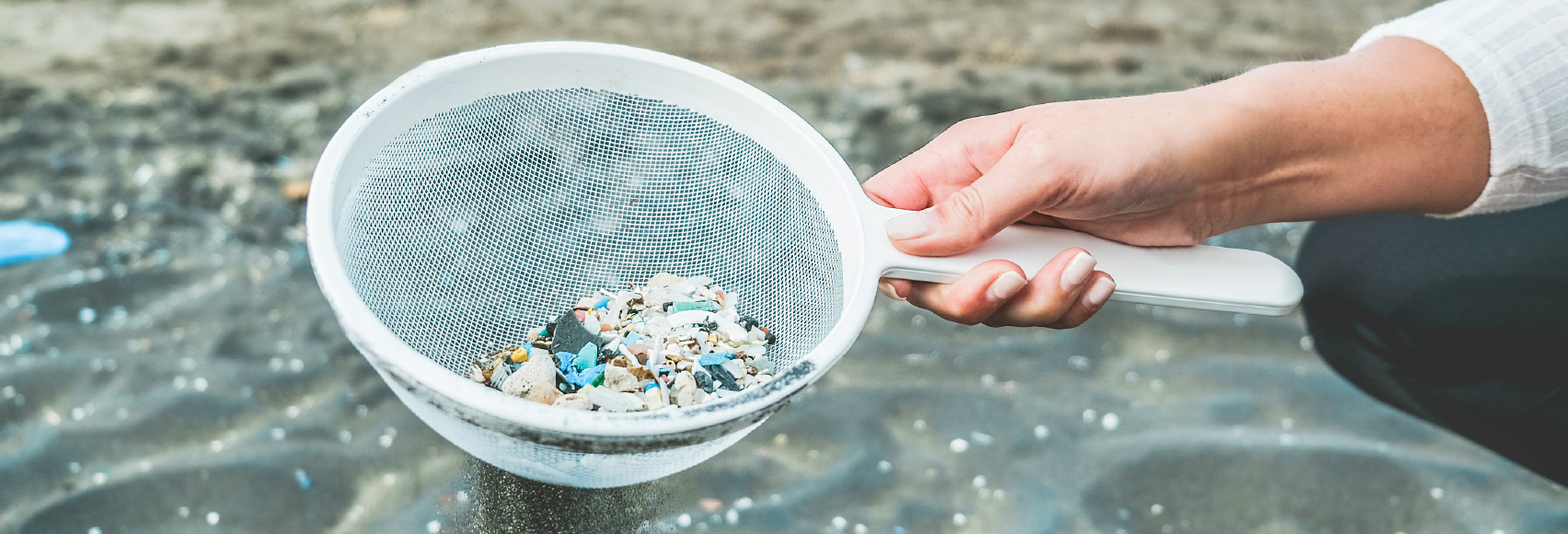
Microplastics are plastic pieces smaller than 5 millimeters, roughly the size of a sesame seed or smaller. In the ocean, they are the least visible part of the plastic pollution problem, as NOAA’s guide to ocean microplastics explains. Many pieces are so small that you cannot spot them in the water.
They take many shapes, including fibers, fragments, beads, and thin flakes of film. Once they enter seawater, they can drift for years and travel far from where they started. That is what makes them so hard to track and clean up.
Unlike a bottle or bag on the sand, microplastics are easy to overlook. You can rake visible litter off a beach, but these tiny pieces slip through nets and filters. Their small size is what makes them so stubborn and hard to remove, so they linger for years.
Some microplastics are made small on purpose, and others form when larger plastics break apart at sea. To learn how those two groups differ, read our guide to primary and secondary microplastics.
Where Ocean Microplastics Come From
Most ocean microplastics come from plastic that started on land. Larger items like bottles, bags, and cups break down into smaller and smaller fragments over time. These broken-down pieces make up a large share of what ends up at sea, a pattern the EPA’s microplastics research continues to study.
Sunlight, heat, waves, and friction all speed up this breakdown. A single plastic item can break apart into smaller and smaller pieces over time. Because plastic does not fully disappear, those fragments stay in the environment for a long time, much like the plastic foodware breaking down in landfills.
Other common sources add to the problem every day:
-
Synthetic textile fibers that shed from clothing during washing.
-
Tiny rubber particles worn off vehicle tires on roads.
-
Microbeads once used in some personal care products.
-
Industrial plastic pellets spilled during manufacturing and transport.
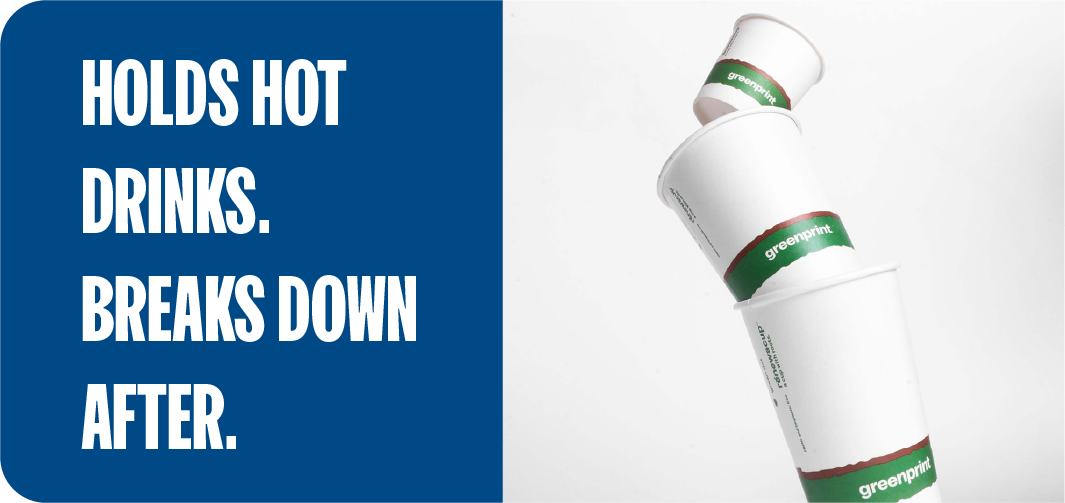
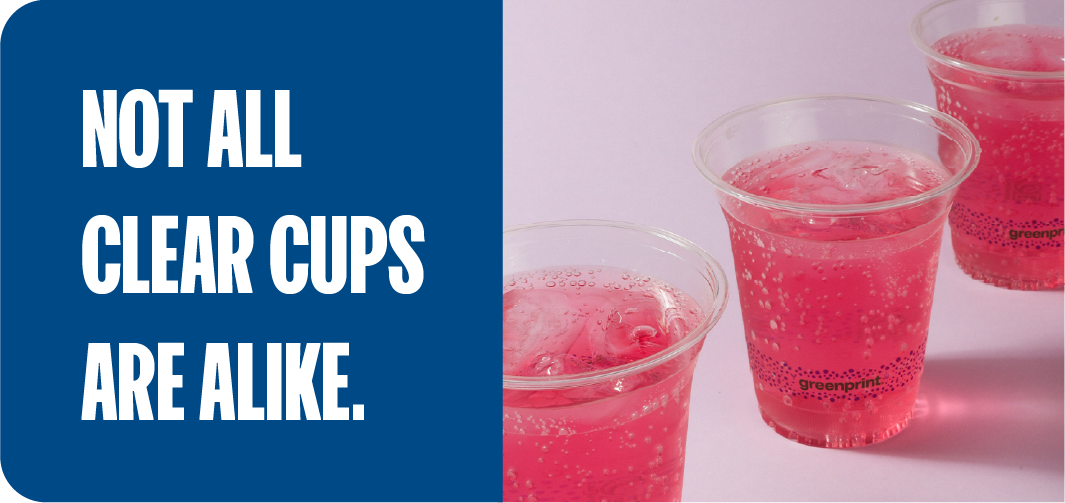
Everyday foodservice items add to this too, including the microplastics shed from disposable cups. A smaller share comes from activity at sea, such as fishing and shipping. Still, the majority of ocean plastic begins on land and travels to the water.
This matters because it points to where solutions work best. If most plastic starts on land, then choices made on land can stop it early. Reducing plastic before it enters a river or drain is easier than pulling it from the open sea.
How Microplastics Reach the Ocean
Microplastics reach the ocean through a mix of land-based and ocean-based routes. Rivers carry plastic from inland towns and cities out to sea. Stormwater runoff washes litter off streets and into drains during rain, one of the pathways covered in NOAA’s guide to how plastic enters the ocean.
Wind blows lightweight plastic and fibers into waterways, while wastewater and laundry send synthetic fibers through treatment systems. Littering on beaches puts plastic directly into the surf. Lost or discarded fishing gear adds plastic straight into open water.
Rivers and storm drains act as the main highway from inland areas to the coast. Rain washes street litter into gutters, then into drains, and finally into rivers that empty at the sea. Even plastics that cannot be recycled can finish their journey in salt water.
Rain and storms make these routes much stronger. Heavy weather washes built-up litter off land and flushes it into rivers and drains. The table below sorts the main pathways into land-based and ocean-based sources.
Land-based routes | Ocean-based routes |
|---|---|
Rivers carrying inland waste. | Lost or abandoned fishing gear. |
Stormwater and street runoff. | Shipping and boating debris. |
Wind-blown litter and fibers. | Waste dumped at sea. |
Wastewater and laundry fibers. | Aquaculture equipment. |
Beach and coastal littering. | Offshore industry losses. |
Where Microplastics Go Once They Reach the Sea
Once in the sea, microplastics spread in several directions instead of staying in one place. Ocean currents pull floating plastic into large rotating systems called gyres. These gyres form the well-known ocean garbage patches, though they are not solid islands you can walk on.
Instead, a garbage patch looks more like a cloudy zone of scattered plastic. Larger items and tiny fragments float together across a wide stretch of water. Much of the material sits just below the surface, which makes it hard to see and measure.
Much of the plastic mixes into the water column as a thin, scattered “soup.” Lighter pieces drift near the surface, while heavier ones sink toward the bottom. Over time, some microplastics can settle onto the deep seafloor, far from any shoreline.
Microplastics also travel up and down, not only side to side. Lighter specks ride near the surface while heavier ones drift down toward the seafloor over time. Ocean currents and wind can then carry them to remote parts of the ocean, far from any city.
Some pieces also wash back onto beaches with the tides. Studies show that algae and other growth can attach to plastic and add enough weight to make it sink. This constant movement helps microplastics spread into nearly every part of the ocean.
How Microplastics Harm Marine Life and Ecosystems
Microplastics harm ocean life in several ways. Fish, seabirds, turtles, and shellfish often mistake the small pieces for food and eat them. Plastic can fill their stomachs, which may leave less room for real nutrition, one of the marine debris impacts on wildlife that scientists track.
Larger plastic waste can also entangle animals and make it harder for them to move or feed. In some species, research on microplastic ingestion shows it can reduce their urge to eat and make it harder to get the nutrients they need. Because microplastics spread across every ocean layer, they can affect animals from the surface down to the seafloor.
The tiniest particles create a special problem for filter feeders. Animals like mussels, oysters, and plankton strain seawater for food and swallow plastic along with it. As larger animals feed on these small ones, the plastic can move step by step through the food web.
The smallest ocean animals feel this too. Plankton and other tiny creatures sit at the base of the marine food web. When plastic affects them, the impact can ripple outward to the larger animals that depend on them.
What Ocean Microplastics Mean for People
Ocean microplastics can reach people through the seafood we eat, since fish and shellfish can carry plastic they have swallowed. This connection is one reason ocean plastic matters far beyond the coastline, a link reinforced by the EPA Trash-Free Waters program. To understand how these particles move up from small sea creatures to your plate, read how microplastics enter the food chain.
How to Reduce Microplastics in the Ocean
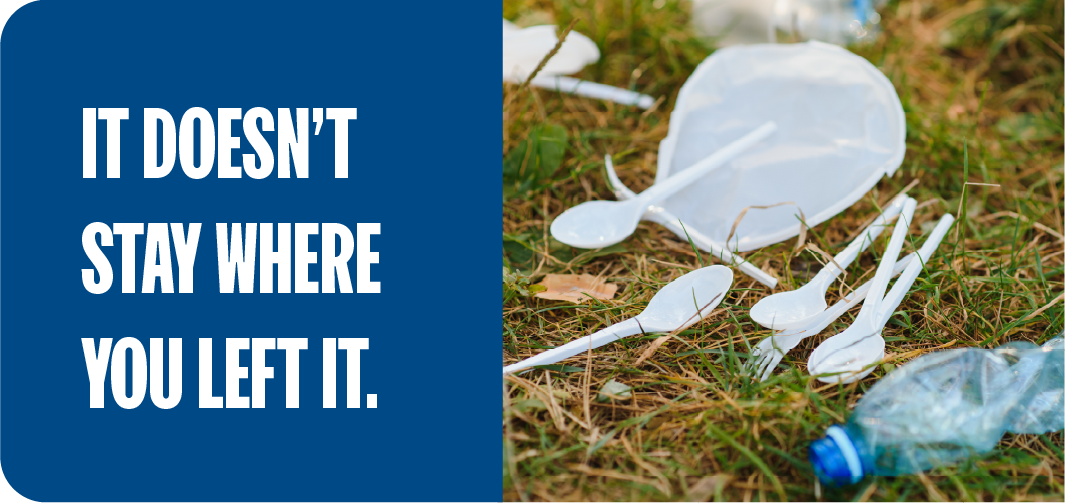
The most effective fix starts at the source, before plastic ever reaches the water. Because ocean cleanup is slow and costly, cutting plastic use is the stronger lever. Small daily choices add up when many people make them.
The clearest win is simply using less plastic in the first place. Every item you skip is one that can never break apart into ocean microplastics later.
You can take a few practical steps at home and in your community:
-
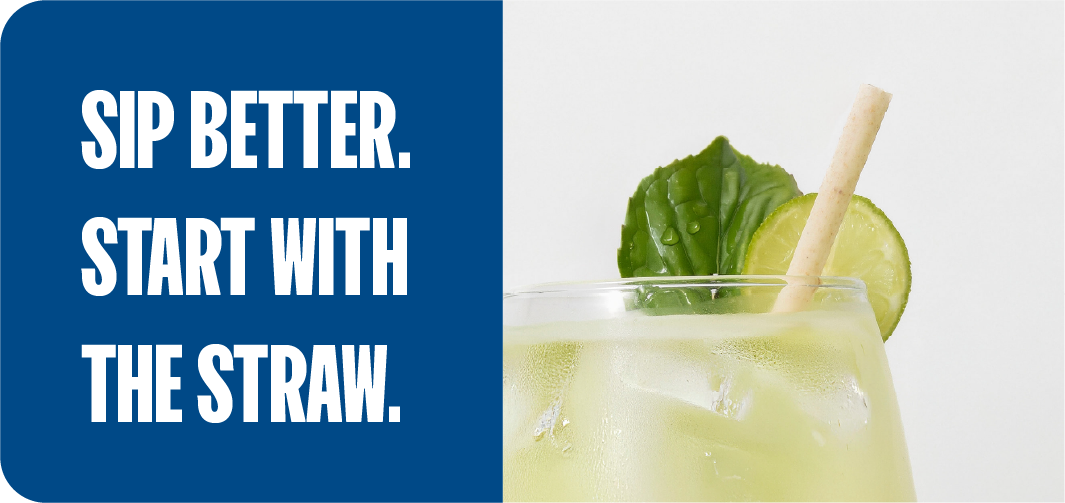
Cut back on single-use plastic items like straws, cups, and cutlery.
-
Choose certified compostable foodware over conventional plastic.
-
Add a laundry filter to catch synthetic fibers from your washer.
-
Support local beach cleanups and policies that reduce plastic waste.
Swapping single-use plastic for certified compostable products keeps material out of the waste stream that feeds the ocean. Greenprint® makes plant-based foodservice packaging with clear, verified claims. Our compostable agave straws are TÜV Austria OK Compost HOME certified, so they break down through home composting via enzyme technology. Our Compostable Agave cutlery is BPI Commercial certified for industrial composting facilities.
Compostable does not mean a product vanishes in your backyard. Home composting and industrial composting are different systems with different rules. That is why we match each certification to the right setting, so you can choose what fits your local waste options.
Because home and industrial systems differ, always match a product to the composting available in your community. You can explore our certified compostable foodservice packaging to find source-reduction swaps for everyday plastic. For steps to lower your own exposure, see our guide on how to lower your microplastic exposure.

Frequently Asked Questions
How Small Are Microplastics?
Microplastics are plastic pieces smaller than 5 millimeters. Many are tiny enough that you cannot see them in the water with the naked eye.
How Long Do Microplastics Last in the Ocean?
Microplastics last many years in the ocean. They keep fragmenting into smaller pieces but do not readily disappear.
Can Microplastics Be Removed From the Ocean?
Full removal is not practical because the pieces are so small and spread out. Preventing plastic from reaching the water in the first place is the realistic fix.
References
- https://oceanservice.noaa.gov/facts/microplastics.html
- https://www.epa.gov/water-research/microplastics-research
- https://oceanservice.noaa.gov/hazards/marinedebris/plastics-in-the-ocean.html
- https://pmc.ncbi.nlm.nih.gov/articles/PMC7252949/
- https://pmc.ncbi.nlm.nih.gov/articles/PMC8243974/
- https://oceanservice.noaa.gov/hazards/marinedebris/marine-debris-impacts.html
- https://pmc.ncbi.nlm.nih.gov/articles/PMC9205308/
- https://www.epa.gov/trash-free-waters


Rhode Island plastic bans and regulations explained: what the Plastic Waste Reduction Act prohibits, who must comply, penalties, and compliant bag options.
Virginia’s plastic ban covers polystyrene foam containers and a local bag tax. See what’s banned, key deadlines, and compliant compostable foodware options.
Compostable straws vs plastic straws: compare materials, breakdown, certifications, and cost to pick the right certified compostable straw for your business.