

Compostable Straws vs. Plastic Straws: Which Wins?


Compostable Straws vs. Plastic Straws: What’s the Difference?
The choice of compostable straws vs plastic straws comes down to what happens after the last sip. Compostable straws are made from plant-based materials that break down under composting conditions. Plastic straws do the opposite. They persist for a very long time and fragment into microplastics. This guide compares the two side by side so you can pick the right straw for your business or home.
What Are Compostable Straws?
Compostable straws are single-use straws made from plant-based materials that break down under composting conditions. Instead of lingering as waste, they return to the soil as they decompose in the right environment. They give restaurants and consumers a plastic alternative that fits modern waste-reduction goals.
The key difference from plastic is the end-of-life path. A certified compostable straw is designed to be processed with food scraps and yard waste. It is not meant for a landfill or the ocean. That single design choice changes the environmental footprint of every straw you serve.
Compostable does not mean the straw breaks down anywhere. It breaks down in a compost system that provides the right microbes, moisture, and temperature. This is why certification and disposal access matter as much as the material itself. A clear compost path is what turns a plant-based straw into a real waste-reduction win.
Common Compostable Straw Materials
Compostable straws are made of materials like paper, PLA, agave fiber, bagasse, and bamboo. Each material behaves differently in a compost bin and at the table, so performance and disposal vary widely. Paper can soften quickly, while agave fiber and PLA blends hold up longer in a drink.
Material choice also affects taste and mouthfeel. Sampling a few options before you commit is worth the effort, especially for high-volume drink menus.
For a full breakdown of how each option performs, read our guide to emerging materials for compostable straws. You can also review our guide to agave straws to see how upcycled fiber compares to other plant inputs.
What Are Plastic Straws and Why They Pollute
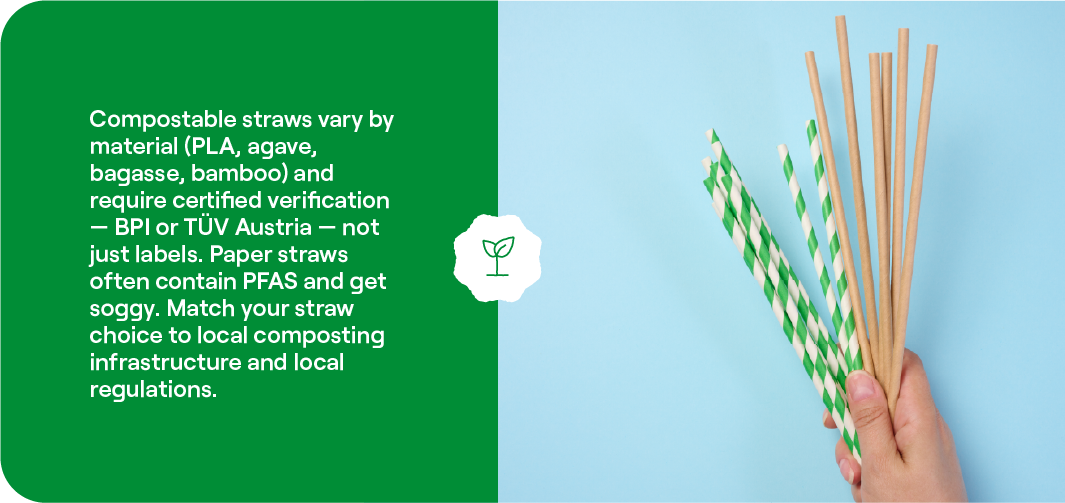
Plastic straws are made from petroleum-based plastics like polypropylene. They are cheap and durable, which is exactly why they cause a waste problem. Once discarded, plastic straws persist for a very long time and fragment into microplastics that spread through soil and water.
These straws are rarely recycled because of their small size and light weight. Most slip through sorting equipment and end up as litter or landfill waste. From there, they can enter waterways and harm marine life over many years.
That pollution concern is why many US cities and states have introduced plastic straw bans. The regulatory shift, combined with customer expectations, pushes operators toward compostable alternatives. Switching straws is one of the simpler ways to cut single-use plastic from a menu.
For operators, plastic also carries a reputation cost. Diners increasingly notice single-use plastic and judge brands by it. A visible switch to compostable straws can support that goodwill.
Compostable Straws vs. Plastic Straws: Key Differences
Here is a side-by-side look at how the two straw types compare. It covers the factors that matter most to operators and consumers.
| Attribute | Plastic Straws | Compostable Straws |
|---|---|---|
| Material source | Petroleum-based plastics like polypropylene. | Plant-based inputs like paper, PLA, agave fiber, bagasse, or bamboo. |
| Breakdown / end-of-life | Persist for a very long time and fragment into microplastics. | Break down under composting conditions into soil-safe matter. |
| Disposal path | Landfill or litter; rarely recycled due to small size. | Home or industrial composting, depending on certification. |
| Certifications | None for compostability. | Look for TUV Austria OK Compost HOME and BPI Commercial Compostability. |
| Performance | Firm in hot and cold drinks. | Varies by material; agave straws stay firm, uncoated paper can soften. |
The takeaway is simple. Plastic wins on cost and shelf life. Compostable straws win on end-of-life impact when they are certified and composted correctly. The right choice depends on your disposal reality, not the label alone. For a wider view of swaps beyond straws, see our roundup of plastic alternatives for restaurants.
How Compostable Straws Break Down
Compostable straws break down through microbial activity in a managed composting environment, not in open litter or the ocean. Microbes consume the plant-based material and convert it into carbon dioxide, water, and soil-safe biomass. The time and temperature required depend on the material and the composting method.
A straw tossed in a trash can does not compost. A landfill lacks the oxygen and microbial activity that a compost system provides. This is the detail most shoppers miss.
Certification predicts this behavior. A tested straw has proven it breaks down within a set timeframe under defined conditions. For expected timelines by product, see our guide to how long home compostable products take to break down.
Home Compostable vs. Industrial Compostable
Home composting happens at ambient temperatures around 20 to 30°C in a backyard bin. The EPA guide to composting at home explains the basics. Industrial composting runs hotter, around 55 to 60°C, and needs a commercial facility with controlled conditions.
The distinction matters because a home-certified straw suits customers without access to industrial composting. Standard PLA straws require industrial composting to break down, so they will not compost in a backyard bin. Greenprint®’s Green Dot Compostable Upcycled Agave Straws reach home composting through a proprietary enzyme-enhanced Agave Fibers compound. An enzyme masterbatch catalyzes PLA hydrolysis at ambient temperature. To see how this material works, read about what Greenprint straws are made of.
Certifications to Look For
Trust certifications, not vague marketing claims. Our Green Dot Compostable Agave Straws hold TUV Austria OK Compost HOME certification and BPI Commercial Compostability. That BPI testing follows the ASTM D6400 standard. Our straws are also PFAS-free, confirmed by third-party PFAS testing for compostable products.
Home certification is rarer than industrial certification, so it signals a genuine backyard-compost claim. For a plain-language look at what each standard means, read our guide to composting certifications explained. Matching the certification to your local composting access keeps your claims honest and verifiable.
Under the FTC Green Guides, compostability claims should be specific and verifiable. Naming the exact certification, rather than a broad label, keeps your marketing accurate. It also helps customers dispose of the straw the right way.

Choosing the Right Straw for Your Business
The right straw depends on how your customers will dispose of it. A straw that never reaches a compost system offers little benefit, so disposal access should shape your choice. Use these questions to guide the decision.
-
Composting access: choose home-certified straws if customers use backyard bins, or industrial-certified straws if commercial composting is nearby.
-
Menu fit: pick a straw that stays firm through your drink program, from iced coffee to thick shakes.
-
Compliance: confirm the straw meets your local plastic straw regulations.
-
Customer expectations: certified compostable straws signal a credible commitment, not a vague promise.
-
Cost and volume: order in bulk to keep per-unit pricing predictable across busy service periods.
Sourcing matters too. Our Upcycled Agave uses post-tequila fiber from Jalisco, a waste stream with no competing use. That avoids the transport and feed-diversion tradeoffs of some other plant materials.
Staff and signage help too. Tell customers which bin the straw belongs in. A compostable straw only delivers value when it reaches a compost stream. Clear labeling reduces contamination and confusion at the point of disposal.
For most foodservice operators, our certified compostable agave straws are the dependable pick. They combine home-compost certification, firm performance, and Upcycled Agave sourced from post-tequila waste. Explore the full compostable straw product category to compare options. You can also contact our team to match a straw to your menu and composting setup.
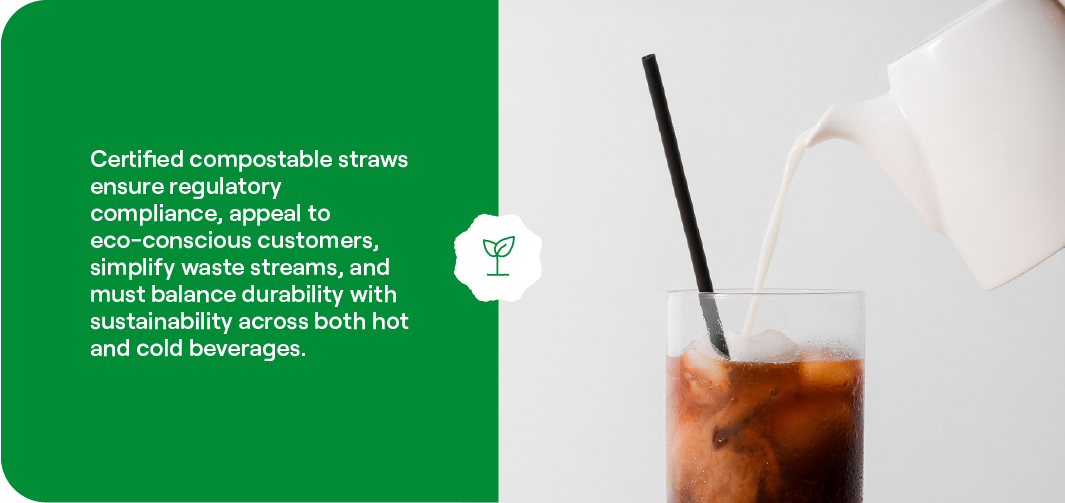
Frequently Asked Questions
Are compostable straws better than plastic straws?
Yes, when composted correctly. Certified compostable straws avoid the microplastics that plastic straws leave behind as they fragment.
Do compostable straws get soggy like paper straws?
Not all of them. Our Green Dot Compostable Agave Straws stay firm in both hot and cold drinks, unlike softer uncoated paper straws.
What are compostable straws made of?
They are made of plant-based materials such as paper, PLA, agave fiber, bagasse, or bamboo. Our straws use an Upcycled Agave and PLA compound sourced from post-tequila waste.
Can you put compostable straws in your home compost?
Only straws certified as home compostable will truly break down in a backyard bin. Our Green Dot Compostable Agave Straws carry TUV Austria OK Compost HOME certification, so they qualify.


Compare the best salad bowls with lids for takeout and catering, from bagasse to plastic, and choose industrially compostable options that keep salads fresh.
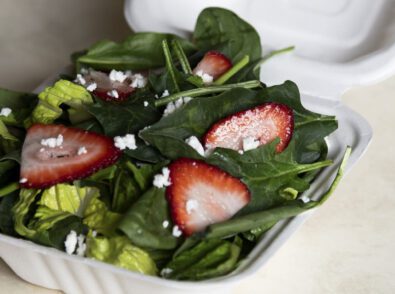
Compare the best compostable food containers for restaurants, from bagasse clamshells to PLA deli boxes. Choose certified, PFAS-free packaging with confidence.

Washington DC’s plastic ban covers bags, foam, straws, and utensils. See the single-use plastic laws, the 5-cent bag fee, and how your business can comply.