

Plastic Silverware vs. Agave Silverware
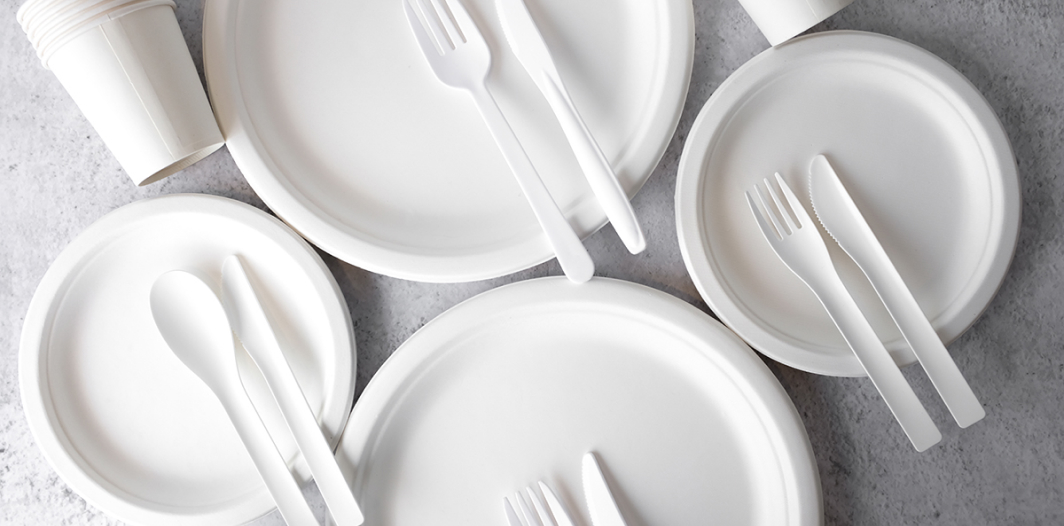


Plastic Silverware vs. Agave Silverware
Disposable silverware has a variety of uses, from takeout meals to family picnics. It is hygienic and convenient, so people reach for it when they need to serve food to many people, eat on the go, or save time by avoiding washing silverware. There are many types of disposable silverware to choose from, and your selection affects how sustainable your choice is.
Single-use forks, spoons, and knives must be properly disposed of so they don’t pollute our earth and oceans. Consider material makeup, price, intended uses, and environmental impacts when comparing options such as plastic vs. agave flatware.
| Factor | Plastic Silverware | Agave Silverware |
|---|---|---|
| Material | Polystyrene (PS) and polypropylene (PP), BPA-free | Upcycled Agave Fibers in a plant-based PLA compound, PFAS-free and BPA-free |
| Price | Budget-friendly | Slightly more than plastic, less than wood/bamboo |
| Intended Use | Generally safe for hot/cold, but some plastics warp/melt. Check temperature limits. | Best for cold and lukewarm foods; not designed for temperatures above 40°C/104°F. |
| Environmental Impact | 1,000+ years to break down in landfills. Recycling varies. Banned in some states (e.g., FL, CA). | BPI Commercial Compostability certified; composts in an industrial facility (55–60°C). |
| Certification | None | BPI Commercial Compostability |
Plastic Silverware
Plastic utensils are affordable and durable but negatively affect the environment. Single-use plastic cutlery is banned in some states, such as Florida and California. When considering plastic cutlery, think about:
- Material: Polystyrene (PS) and polypropylene (PP) are heated and cooled in silverware molds, producing BPA-free plastic silverware.
- Price: Large packs of plastic utensils are available at low prices, making it budget-friendly to buy in bulk.
- Intended use: You can use plastic silverware for both hot and cold foods, but some plastics may warp or melt and should not be directly heated. Check manufacturer guidelines for temperature limits to avoid consuming chemicals and microplastics.
- Environmental impact: In landfills, plastic can take over 1,000 years to fully break down. Plastic products feature numbers that indicate what kind of plastic it is and whether it can be recycled.
Agave Silverware
Agave cutlery blends the durability of plastic utensils with the sustainability of wooden cutlery. Before you buy, consider these advantages:
- Material: The process upcycles agave fibers leftover from tequila production in Jalisco, Mexico, combining Upcycled Agave Fibers in a proprietary plant-based PLA compound that is PFAS-free and BPA-free.
- Price: Agave utensils cost slightly more than plastic utensils but less than other alternatives like wooden and bamboo utensils.
- Intended use: Agave is safe for food contact because the plant fibers are nontoxic. Since the compound is PLA-based, it is best for cold and lukewarm foods and not designed for temperatures above 40°C/104°F.
- Environmental impact: Our Compostable Agave Cutlery is BPI Commercial Compostability certified and composts in an industrial facility (55–60°C). It is not home compostable.
Why Choose Agave Over Plastic Silverware?
When considering plastic vs. agave flatware, agave is ultimately better for people and the planet. It performs like traditional plastic but better supports a sustainable, circular economy.
Environmental effects are crucial when deciding between plastic vs. agave utensils. Unlike plastic derived from fossil fuels, agave fibers are a renewable resource and a by-product of tequila production. Rather than sitting in a landfill, our Compostable Agave Cutlery is BPI Commercial Compostability certified and composts in an industrial facility, closing the loop on upcycled agricultural waste. Agave is safe for humans thanks to its lack of toxic chemicals.
Frequently Asked Questions
Is agave silverware compostable?
Yes. Greenprint®’s Compostable Agave Cutlery is BPI Commercial Compostability certified and composts in an industrial facility (55–60°C). It is not home compostable.
Can agave silverware handle hot food?
Our agave cutlery is PLA-based, so it is best for cold and lukewarm foods. Avoid using it at temperatures above 40°C/104°F.
How long does plastic silverware take to break down?
Plastic silverware can take over 1,000 years to break down in landfills. Our Compostable Agave Cutlery instead composts in an industrial facility.
Is agave silverware more expensive than plastic?
Agave silverware costs slightly more than plastic. It is still less expensive than wood or bamboo utensils.
Greenprint’s Agave-Based Collection
Compare the pros and cons of plastic vs. agave silverware to discover the ideal option for you and the planet. When you purchase disposable products from us, you help work toward a more sustainable future. We specialize in compostable silverware as a green alternative to regular plastic silverware. Make the switch today.

Worm composting turns kitchen scraps into rich castings. Learn which worms to buy, how to set up a bin, what to feed them, and how to harvest compost.

Illinois plastic bans and regulations explained: hotel bottle law, Chicago bag tax and foodware rules, local bans, and pending bills. Plan your compliance now.

Learn how to reduce carbon footprint at home with simple steps for energy, heating, food, and waste. Start with easy swaps your whole household can keep up.