

Everything You Need to Know About Florida’s Plastic Bag Ban
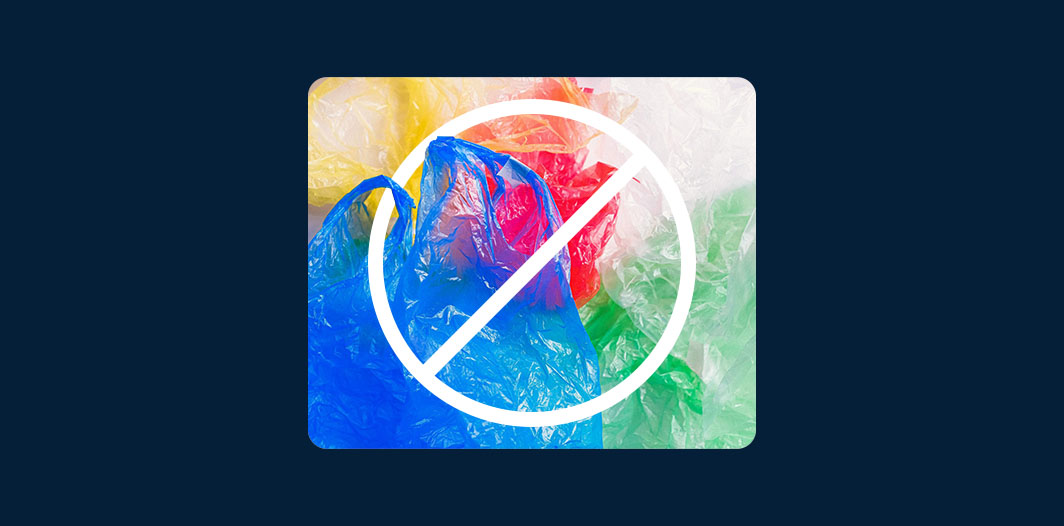


The state of Florida has never banned plastic bags. On the contrary, Florida lawmakers have moved in the opposite direction on multiple occasions. From the first preemption bill in 2008 to the most recent attempts in 2024, Florida’s plastic bag laws have prevented local governments from banning plastic bags and other single-use plastics.
Did Florida Ban Bags?
No, Florida did not ban plastic bags. In fact, the state banned local governments from banning plastic bags.
Are Bags Illegal in Florida?
No, plastic bags are not illegal throughout the state of Florida. However, around 19 municipalities have local regulations, some of which restrict the use of single-use plastic bags.
What You Need to Know About Plastic Bag Laws in Florida
Florida’s bag laws are continuously debated. Some local governments have implemented regulations and want the state to stop banning their bans.
The Legal History of Florida’s Plastic Bag Laws
| Year | Event | Description | Outcome |
|---|---|---|---|
| 2008 | Preemption Bill | Prohibited local governments from regulating, taxing, or banning auxiliary containers, disposable plastic bags, or wrappings. | Supported and contested; some cities implemented other restrictions (e.g., banning plastic straws). |
| 2010 | DEP Report | Florida Department of Environmental Protection (DEP) submitted the Retail Bags, Wrappings and Containers Report, which analyzed the need for new or different regulations on auxiliary containers, wrappings, and disposable plastic bags. | Analyzed the need for new regulations. |
| 2017 | SB 162 & HB 93 | Bills advocating for the ability to regulate plastic bags were put forward to repeal the preemption. | Bills weren’t passed. Would have allowed certain municipalities with populations under 100,000 to implement pilot programs to ban or regulate plastic bags. |
| 2024 | HB 1641 & SB 1126 | Bills introduced to prohibit local municipalities from banning auxiliary containers like plastic bags, cups, bottles, takeout containers, and other single-use plastic products used for food and beverages. | Bill failed to gain traction and didn’t come into effect. |
| Ongoing | Local Actions | Cities like Miami Beach and Gainesville circumvented preemption laws. | Banned single-use plastics on public property and targeted items not included in regulations (e.g., polystyrene foam, plastic containers, plastic straws). |
In Florida, plastic bags are a contentious issue. This ideological divide is reflected in the lack of cohesion between policymakers through the years. Here’s a brief legal history:
- 2008: A preemption bill was passed prohibiting local governments from regulating, taxing, or banning auxiliary containers, disposable plastic bags, or wrappings. The prohibition has been both supported and contested, and a few cities have managed to implement other restrictions, such as banning plastic straws.
- 2010: The Florida Department of Environmental Protection (DEP) submitted the Retail Bags, Wrappings and Containers Report, which analyzed the need for new or different regulations on auxiliary containers, wrappings, and disposable plastic bags that consumers use to carry products from retail establishments.
- 2017: Bills advocating for the ability to regulate plastic bags, SB 162 and HB 93, were put forward to repeal the preemption but weren’t passed. These bills would have allowed certain municipalities with populations under 100,000 to implement pilot programs to ban or regulate plastic bags.
- 2024: Bills HB 1641 and SB 1126 were introduced in early 2024 and would have prohibited local municipalities from banning auxiliary containers like plastic bags, cups, bottles, takeout containers, and other single-use plastic products used for food and beverages. Thankfully, this bill failed to gain traction and didn’t come into effect.
Although cities cannot ban plastic bags outright, some, like Miami Beach and Gainesville, have circumvented the preemption laws by banning single-use plastics on public property. They’ve also targeted other items not included in the regulations, such as polystyrene foam, plastic containers, and plastic straws.
Why Should We Reduce Plastic Bag Usage?
A ban on plastic bags could eliminate, on average, around 300 plastic bags per person annually, possibly more. As single-use plastic is dangerous to humans, animals, and the environment, the potential benefits are considerable.
References
- https://environmentamerica.org/florida/articles/new-florida-legislation-would-restrict-local-plastic-bag-bans/
- https://floridadep.gov/waste/waste-reduction/content/retail-bags-wrappings-and-containers-report
- https://www.flsenate.gov/Session/Bill/2017/162/?Tab=BillHistory
- https://www.flsenate.gov/Session/Bill/2017/0093/?Tab=BillHistory
- https://www.flsenate.gov/Session/Bill/2024/1641
- https://www.flsenate.gov/Session/Bill/2024/1126/?Tab=BillHistory
- https://environmentamerica.org/florida/resources/plastic-bag-bans-work/


Are styrofoam cups safe? See how styrene, heat, microwaving, and reuse change foam cup safety, and find foam-free cup options for hot and cold drinks.

The environmental impact of food waste runs from methane emissions to wasted water and land. See how it harms the planet and simple ways to cut it today.
New Jersey plastic bans and regulations cover bags, foam, straws, and utensils. Learn what is banned, who must comply, and compliant compostable swaps.