

Environmental Impact of Food Waste and How to Cut It


The Environmental Impact of Food Waste
The environmental impact of food waste is one of the biggest problems most people never think about. Every time we throw out food, we also waste the water, land, and energy used to produce it. That damage shows up in greenhouse gas emissions, strained natural resources, polluted waterways, and overflowing landfills. This article explains how each of those problems connects and what you can do to help.
Food waste is not a small or distant issue. It touches your kitchen, your local restaurants, and farms far away. Understanding the full picture makes it easier to make better choices.
What Is Food Waste?
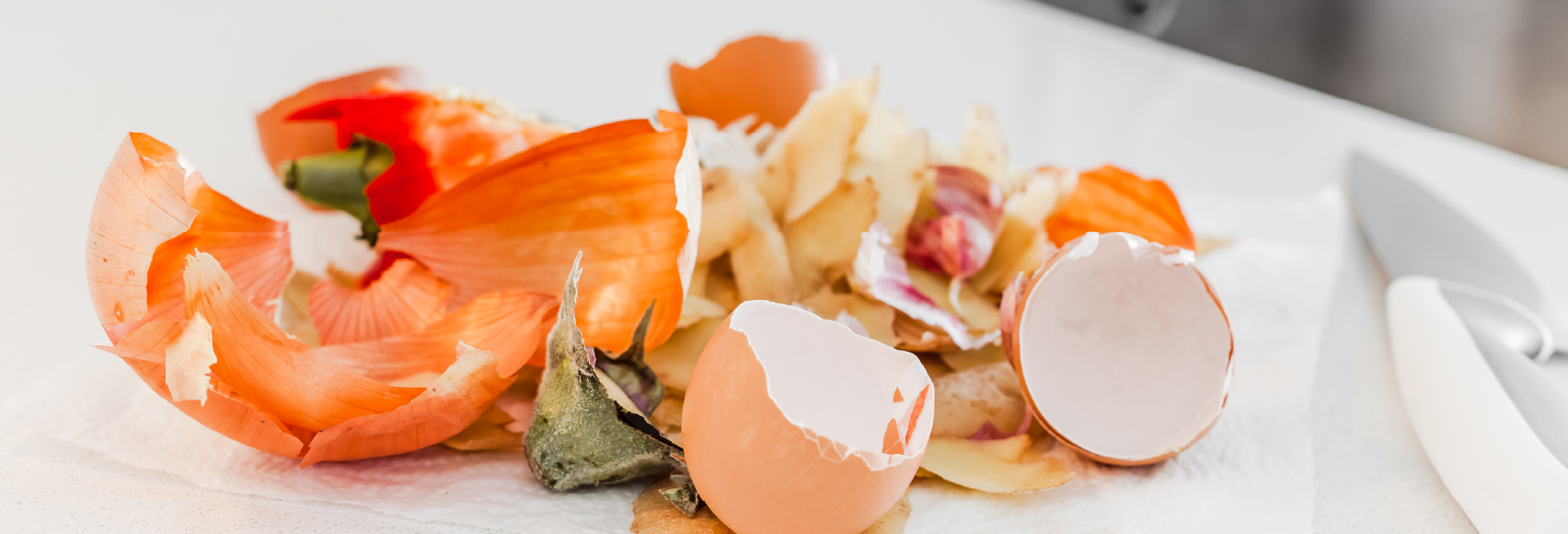
Food waste is any uneaten or discarded food, and it happens at every stage of the supply chain. It includes crops left on farms, unsold groceries in stores, untouched plates in restaurants, and leftovers tossed at home. Some of it is edible food that simply never gets used in time.
Food gets wasted for many reasons. Crops are rejected for their looks, stores overstock shelves, restaurant portions are too large, and food spoils before anyone eats it. Confusing date labels also push people to throw out food that is still safe.
Households are a bigger source than most people realize. We buy more than we can eat, forget about leftovers, and let produce spoil in the fridge. Small habits at home add up to a large share of the total.
Waste also builds up long before food reaches your kitchen. Farms may leave produce unharvested when prices are low, and shippers toss items bruised in transit. By the time food reaches a store, plenty has already been lost.
Understanding what food waste is helps explain why it does so much harm, and it pairs well with the fundamentals of a compostable approach. The problem is not just the food itself. It is everything that went into making that food in the first place.
How Food Waste Creates Greenhouse Gas Emissions
So how does food waste contribute to greenhouse gas emissions? When food rots in a landfill, it breaks down without oxygen and releases methane. Methane is a potent greenhouse gas with high warming potential that traps far more heat than carbon dioxide over the short term.
If you want to know how food waste affects the environment, emissions are the clearest place to start. The emissions do not stop at the landfill either. Every wasted item also wastes the fuel and energy spent to grow, harvest, process, and ship it. So the food’s full carbon footprint is spent for nothing.
This is why wasted food affects climate change more than many people expect. A tossed meal represents fuel burned on tractors, trucks, and refrigeration. When you cut food waste, you keep all of that energy from going to waste too.
The scale is what makes this so serious. Food waste happens in millions of homes and businesses every single day. Each landfill collects that rotting food and steadily leaks methane from decomposing landfill waste into the air, similar to how other waste breaks down in landfills.
The good news is that these emissions are avoidable. Food that gets eaten or composted never rots in a sealed landfill. That makes reducing food waste one of the simplest ways to cut greenhouse gas emissions.
The Natural Resources Wasted With Food
Every piece of food carries embedded resources, meaning the water, land, and energy used to produce it. When that food is never eaten, all of those resources are lost too. A wasted apple also wastes the water it took to grow that apple. The EPA details this resource footprint of U.S. food waste in depth.
Water is often the largest hidden cost. Farms use huge amounts of fresh water for irrigation, and much of it is tied up in food no one eats. That same logic applies to soil, fertilizer, and farm labor.
Land is another resource we cannot get back easily. Fields, greenhouses, and grazing areas are all devoted to growing food. When that food is wasted, the land was used for nothing of value.
Energy is embedded in food as well. Producing fertilizer, running farm equipment, and refrigerating goods all take fuel. Wasted food throws all of that stored effort away, which is one reason it helps to understand certified compostable versus recycled foodware.
The pressure adds up over time. To grow more food, producers clear more land for farming. That farmland expansion can replace forests, wetlands, and other natural habitat that store carbon and support wildlife.
Why Food Waste Ends Up in Landfills
Food is one of the largest shares of what fills landfills, and the USDA estimates how much food the U.S. wastes each year. Most of it is never captured for composting, so it sits and rots underground for years. This is how food waste in landfills becomes a steady source of methane.
Part of the problem is access. Many communities still lack curbside composting or commercial composting programs, so food scraps go straight into the regular trash. Once that food is buried, it cannot break down in a healthy, oxygen-rich way.
Habits play a role as well. People are used to scraping plates into the trash without a second thought. Without an easy composting option, most food scraps end up in the landfill by default.
Landfills are also built to seal waste, not break it down. Layers of trash press down and block the oxygen that helps food decompose cleanly. That is why buried food produces methane instead of soil.
Composting offers a better path by turning food scraps into soil instead of gas. Compostable foodware, backed by compostable foodware certifications, can be composted alongside food scraps where local facilities accept it. Where access is limited, it helps to plan for compostable packaging where composting access is limited so more organic material stays out of the landfill and out of the atmosphere.
How Food Waste Harms Wildlife and Ecosystems
Growing food that no one eats still uses fertilizers and pesticides. When it rains, those chemicals run off farm fields into rivers, lakes, and streams. That nutrient runoff and harmful algal blooms pollute waterways and can harm fish and other aquatic life.
Excess nutrients from fertilizer can also fuel large algae blooms. Those blooms starve the water of oxygen and create dead zones where little can survive. So the effects of wasted food reach far beyond dry land.
Pesticides carry their own risks for wildlife. They can harm bees, birds, and other creatures that keep ecosystems healthy. Every wasted crop means more of these chemicals were used for no reason.
Farmland expansion adds even more pressure. Clearing land for crops that get wasted pushes wildlife out of their natural habitat. In this way, food waste harms whole ecosystems, not just a single field.
The harm connects back to the climate too. Forests and wetlands that get cleared for farming once stored large amounts of carbon. Losing them makes it harder for nature to balance the emissions we create.
These impacts also feed off each other. Polluted water, lost habitat, and a warming climate all stress the same plants and animals. Reducing food waste eases pressure on every part of that chain.
How to Reduce the Environmental Impact of Food Waste
You can lower the environmental impact of food waste with a few practical habits at home and at work:
-
Plan meals and shopping lists so you buy only what you need.
-
Store food properly to help it last longer and spoil less.
-
Use up leftovers and freeze extra food before it goes bad.
-
Compost your scraps instead of sending them to the landfill.
-
Choose foodware that can go into the compost stream, not the trash.
Composting is one of the most effective steps you can take. It turns scraps into healthy soil and keeps methane out of the air. The EPA also shares simple ways to prevent wasted food at home, and even a small kitchen bin can make a difference over time.
Composting comes in two types: home composting happens in a backyard bin, while industrial composting needs a commercial facility with higher, steadier heat. Knowing which one a product needs helps it break down the way it should.
Greenprint® makes Certified Compostable foodservice products designed to be composted right along with food scraps. Our agave straws are certified TÜV Austria OK Compost HOME, our cutlery is certified BPI Commercial, and our Fiberware™ clamshells, plates, and bowls are certified TÜV Austria OK Compost INDUSTRIAL. Unlike compostable alternatives to plastic foodware, conventional plastic cannot join the compost stream.
If you run a food business, switching to certified compostable foodservice packaging is a direct way to divert waste from landfills, and you can bring compostable packaging into your operation step by step. Paired with better habits at home, small choices like these add up to real change.
No single step solves food waste on its own. The goal is to keep food out of the landfill and put its resources to better use. Buying less, eating what you buy, and composting the rest all move in that direction.
Frequently Asked Questions
Why Is Food Waste So Harmful to the Environment?
Food waste releases methane in landfills and wastes all the water, land, and energy used to produce the food. That combination drives emissions and strains natural resources.
What Happens to Food Waste in a Landfill?
Buried food rots without oxygen and releases methane, a potent greenhouse gas. It also takes up space and adds nothing back to the soil.
Can Composting Reduce the Impact of Food Waste?
Yes, composting turns food scraps into useful soil instead of landfill methane. Pairing compostable foodware with food scraps keeps even more organic material out of the trash.
References
- https://www.epa.gov/ghgemissions/overview-greenhouse-gases
- https://www.epa.gov/lmop/basic-information-about-landfill-gas
- https://www.epa.gov/land-research/farm-kitchen-environmental-impacts-us-food-waste
- https://www.usda.gov/about-food/food-safety/food-loss-and-waste/food-waste-faqs
- https://www.epa.gov/nutrientpollution/problem
- https://www.epa.gov/recycle/preventing-wasted-food-home

New Jersey plastic bans and regulations cover bags, foam, straws, and utensils. Learn what is banned, who must comply, and compliant compostable swaps.
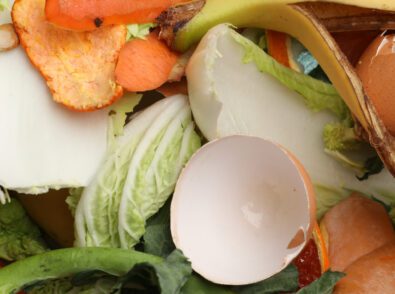
Food waste composting turns kitchen scraps into rich compost. Learn simple methods for home and business, what to compost, and how to get started today.
Rhode Island plastic bans and regulations explained: what the Plastic Waste Reduction Act prohibits, who must comply, penalties, and compliant bag options.