

Are Styrofoam Cups Safe? What Heat and Styrene Mean


Are Styrofoam Cups Safe? Facts on Styrene and Heat
Are Styrofoam cups safe? For most everyday uses, yes, regulators permit them for food contact, but the honest answer depends on heat, reuse, and what you pour inside. Styrofoam cups are made from a plastic called polystyrene, and small amounts of a chemical called styrene can move into your drink. This guide walks through what the science actually says, with heat and styrene as the throughline.
What Are Styrofoam Cups Made Of?
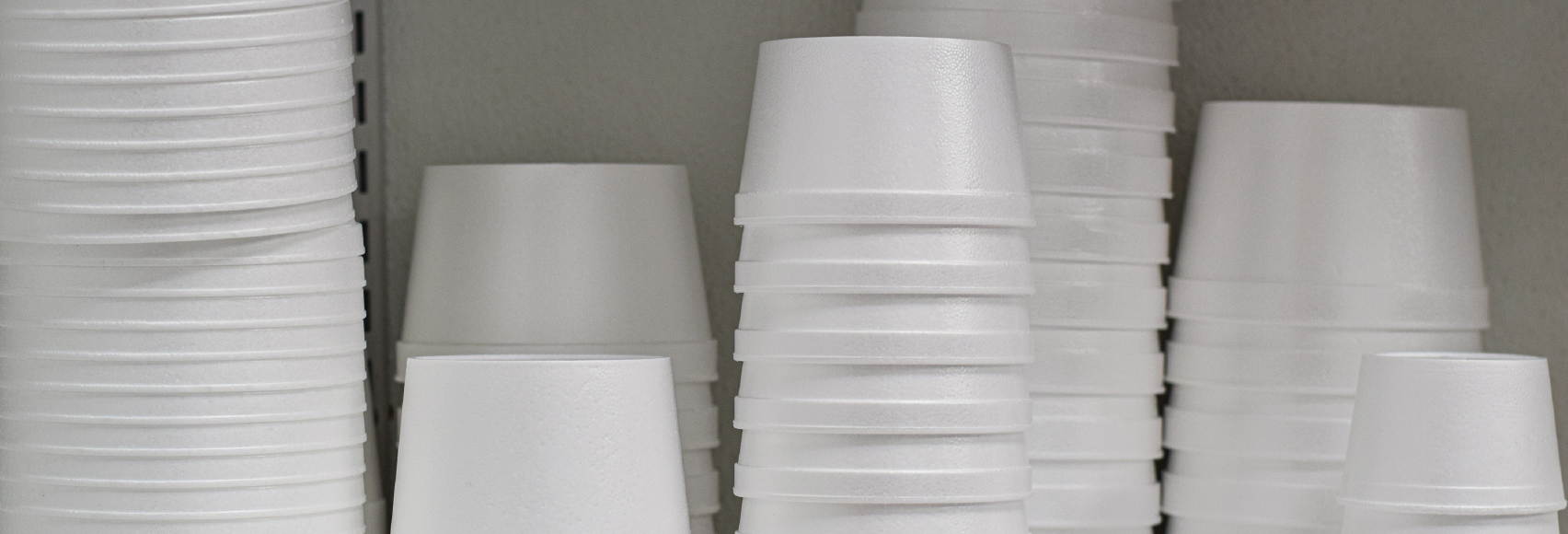
Most “Styrofoam” cups are made from expanded polystyrene, or EPS foam. Polystyrene is a plastic built from a chemical called styrene. Air is whipped into the plastic to create the light, insulating foam you know.
Foam is popular for good reasons. It insulates well, so hot drinks stay hot and your hand stays cool. It is also cheap to make and very light to ship, which is one reason it sits alongside so many other materials used for disposable cups.
You can usually spot a polystyrene cup by its resin code. Look for the recycling triangle stamped with the number 6, often near the base. That polystyrene resin code 6 is the standard identifier for the material.
The name itself is a bit of a mix-up. Styrofoam™ is a registered trademark for extruded polystyrene insulation, not the foam cups people drink from.
So when you say “Styrofoam cup,” you usually mean an EPS polystyrene cup. The two terms get blended together in everyday speech. Knowing the real material matters, because the safety questions are really about polystyrene and styrene.
Are Styrofoam Cups Safe to Drink From?
Polystyrene cups are allowed for food and drink use. The FDA authorizes polystyrene as a food contact material under 21 CFR, subject to conditions including limits on residual styrene monomer content. That is a regulatory clearance for defined conditions, not a blanket promise of safety.
What does “authorized under 21 CFR” mean for your daily cup of coffee? It means the FDA sets rules for how polystyrene is made for food use, including caps on leftover styrene in the plastic. It does not mean the agency has declared foam cups risk-free in every situation.
Here is the honest part. Small amounts of styrene can migrate from polystyrene packaging into food and drink. So the question “is Styrofoam toxic?” does not have a simple yes or no.
The health picture is mixed. IARC classified styrene as “probably carcinogenic to humans” (Group 2A) in 2019, based on limited human evidence and sufficient animal evidence. The US National Toxicology Program listing also names styrene as reasonably anticipated to be a human carcinogen.
Those classifications matter, but context matters more. The NTP listing is based largely on occupational exposure studies at high inhalation doses. In plain terms, these styrene health effects come mostly from workers breathing fumes in factories, not from people drinking from cups. There is no established link showing that drinking from foam cups causes cancer.
It helps to separate hazard from exposure. A hazard classification asks whether a chemical can cause harm at all. Real-world risk asks how much you actually take in during normal use.
For foam cups, the dietary amount of styrene is far lower than the factory inhalation doses behind the classifications. That gap is the core of a balanced bottom line. The material carries a documented hazard, yet how you use the cup drives your actual exposure.
For a business, this shapes a simple policy. A cold soda in a foam cup sits at the low end of the risk range. A hot coffee held for an hour sits higher, so it deserves closer attention.
Here is how the risk stacks up by use case:
Use case | Relative styrene migration | Practical takeaway |
|---|---|---|
Cold drink, single use | Lowest | The lowest-risk way to use a foam cup. |
Hot drink, single use | Higher | Use more caution, or switch to a lined-free cup. |
Microwaving | Highest | Avoid unless the cup is labeled microwave-safe. |
Reuse after washing | Rising and uncertain | Not recommended; foam is built for one use. |
Do Hot Drinks Make Styrofoam Cups Less Safe?
Heat is the biggest factor in how much styrene moves into your drink. Styrene migration studies show it is driven by fat content, temperature, contact time, and surface area. Hotter, fattier, and longer contact all push migration up.
So are Styrofoam cups safe for hot drinks? Hot coffee, hot cocoa, and rich or oily liquids pull more styrene from the foam than plain cold water does. Alcohol can raise styrene migration too, while findings on acidic drinks are mixed.
Think about a full latte versus a cup of tap water. The latte is hotter and carries milk fat, so it draws out more styrene. A warm alcoholic drink adds both heat and alcohol, so it can push migration higher still.
Contact time matters as well. A coffee you nurse for an hour sits against the foam far longer than a quick espresso. If you use a foam cup for a hot drink, finish it soon rather than letting it linger.
For a busy cafe, a few habits lower migration. Serve very hot drinks in a cup rated for heat, and learn how heat resistance in compostable cups compares. Keep foam for cold and short-hold items, and avoid oily broths or acidic juices when you can.
Cold contents leach the least. Small amounts of styrene can transfer from packaging to food, and both temperature and fat content raise that transfer. The practical takeaway: cold, quick, single use is the lowest-risk way to use a foam cup, and hot drinks call for more caution.
Can You Microwave Styrofoam Cups?
No, do not microwave standard foam cups. Microwave heat can warp the foam and raise how much styrene migrates into your food or drink. Only heat containers that carry a “microwave-safe” label.
Physically, the heat softens the polystyrene and can cause the foam to warp, shrink, or melt. Hot spots in the microwave can push parts of the cup past what the plastic can handle. Damaged foam can also spill or leak.
That label is not marketing. Containers marked microwave-safe have been tested and cleared for heating, while standard foam cups have not. If a cup does not say microwave-safe, keep it out of the microwave.
California’s Prop 65 styrene guidance expressly advises against heating food or beverages in polystyrene containers. When in doubt, pour hot food or drinks into a glass or ceramic dish before microwaving. Reheat in that dish, then transfer back only once the food has cooled a little.
Is It Safe to Reuse Styrofoam Cups?
Foam cups are designed for single use. They are not built to be washed, scrubied, and used again. Reuse adds risk rather than saving much.
Washing degrades the thin foam surface. Scrubbing can break it down, and the porous foam surface is not engineered for repeated washing cycles. A cup meant for one drink does not hold up to that kind of cleaning.
The thin walls also lose their shape after soaking and handling. A cup that flexes or cracks is more likely to leak a hot drink onto your hand. The convenience of reusing one cup is not worth the trade-off.
The simple rule: use a foam cup once, then dispose of it. If you want something you can use many times, reach for a durable option instead. Glass, ceramic, or a quality stainless bottle all stand up to daily washing. That leads to the bigger question of what to use in place of foam.
Safer Alternatives to Styrofoam Cups
Plenty of foam-free cups exist, and the Styrofoam vs paper cups question comes up most. Paper cups avoid styrene, but many use a thin plastic lining. Other common styrofoam alternatives include PLA (a plant-based plastic), molded fiber, and reusable ceramic or glass for at-home use. We cover the full range of alternatives to polystyrene foam in a companion guide.
The easiest way to choose is to match the cup to the drink. Pick a hot-rated cup for coffee and tea, and a cold-rated cup for iced and chilled drinks. That single step covers most foodservice needs.
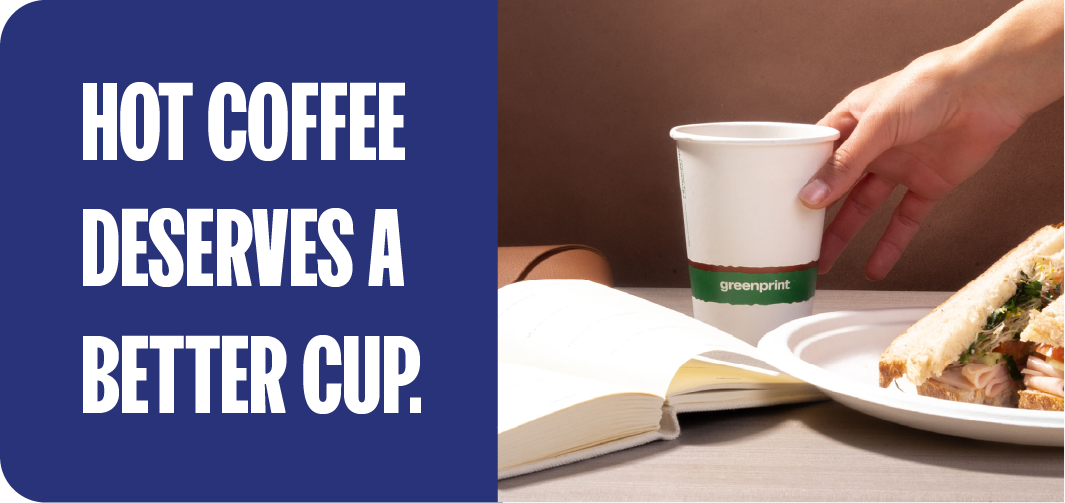
At Greenprint®, we make certified, foam-free cups built to replace polystyrene without a plastic lining. Our plastic-free paper and PLA cups are matched to temperature, so you can pick the right one for the job.
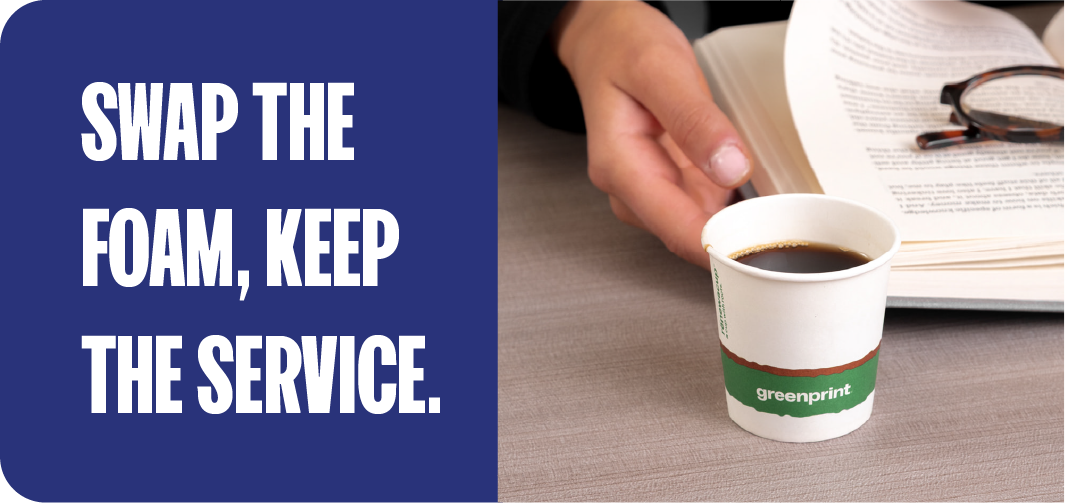
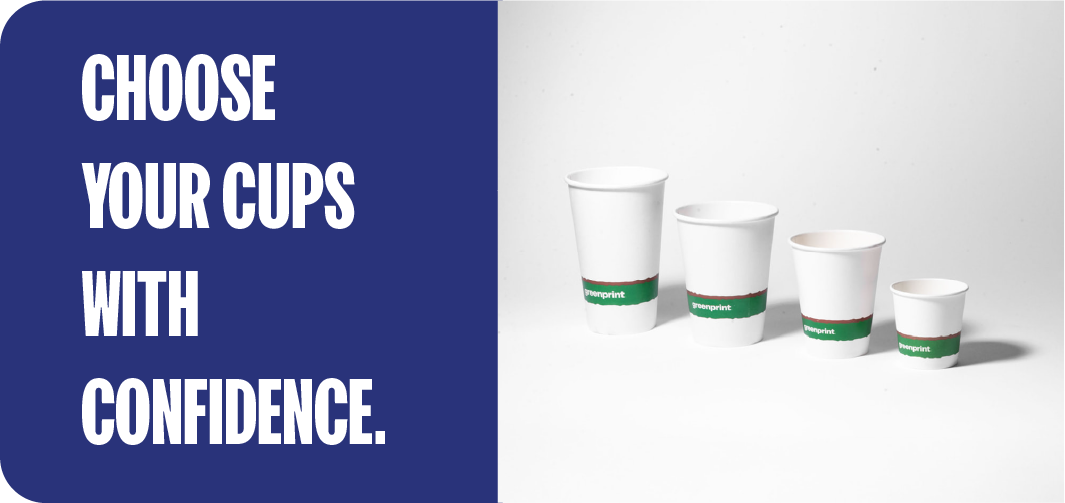
For hot drinks, reach for Renewacups™. They are 98.75% plastic-free (verified by Flustix and Control Union) and PFAS-free, with Intertek testing 62 compounds all returned as Not Detected. Intertek also confirmed they are migration-safe for hot beverages.
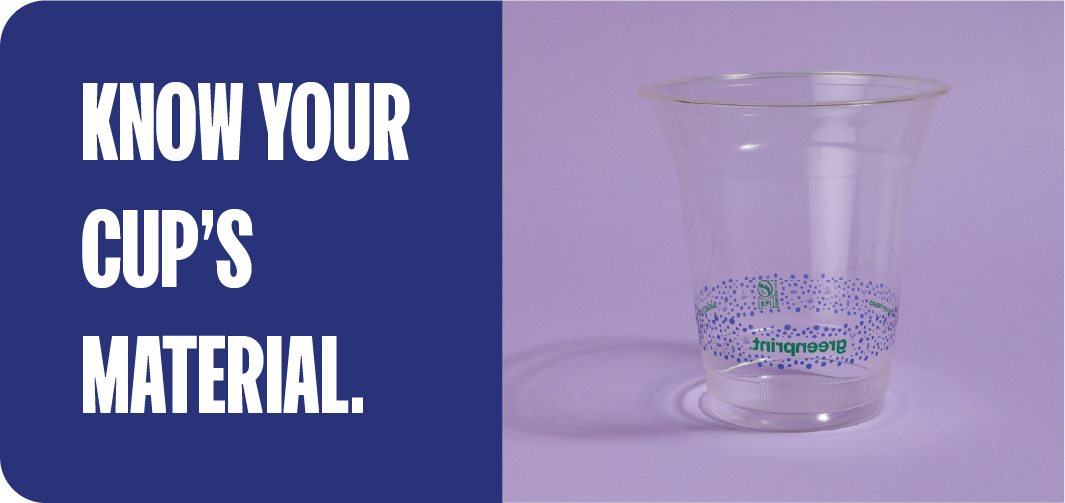
For cold drinks, choose Clearly Compostable™ cups made from PLA. They are industrially compostable, certified BPI compostability certification and TÜV Austria OK Compost INDUSTRIAL, which means they break down in commercial composting facilities. Ready to switch? Explore our plastic-free Renewacups™ hot cups.
Frequently Asked Questions
Do Styrofoam Cups Contain Microplastics?
Foam can shed tiny plastic particles, mostly from wear, mechanical stress, and heat. A 2025 EFSA review found microplastics can migrate from food contact materials into food during normal use, but at lower levels than earlier studies suggested. Even so, current evidence can’t yet estimate how much reaches your food. Our guide to microplastics in disposable foodware covers this in more depth.
Are Styrofoam Cups Recyclable?
EPS foam cups (resin code 6) are not accepted by most curbside programs, and the EPA recycling data shows a 3.6% recycling rate for polystyrene containers and packaging as of 2018. Check for a local drop-off program, or consider compostable disposable cup options instead.
Are Paper Cups Safer Than Styrofoam Cups?
Paper cups avoid styrene, but many rely on a thin plastic lining that carries its own concerns. Certified plastic-free cups sidestep both, and you can see how compostable versus traditional cups compare.
References
- https://www.ecfr.gov/current/title-21/section-177.1640
- https://www.ncbi.nlm.nih.gov/books/n/iarcmono121/a006.sec6/
- https://www.ncbi.nlm.nih.gov/books/NBK590797/
- https://pmc.ncbi.nlm.nih.gov/articles/PMC8160766/
- https://pmc.ncbi.nlm.nih.gov/articles/PMC8839621/
- https://www.p65warnings.ca.gov/fact-sheets/styrene
- https://bpiworld.org/
- https://www.efsa.europa.eu/en/topics/microplastics-and-nanoplastics-food
- https://www.epa.gov/facts-and-figures-about-materials-waste-and-recycling/frequent-questions-regarding-epas-facts-and


See the Hawaii plastic ban and single-use plastic laws for Honolulu, Maui, Hawaii County, and Kauai, with dates, fines, and compliant foodware tips for 2026.
Nanoplastics vs. microplastics comes down to size. Learn how they differ, why researchers worry more about nanoplastics, and simple ways to reduce exposure.
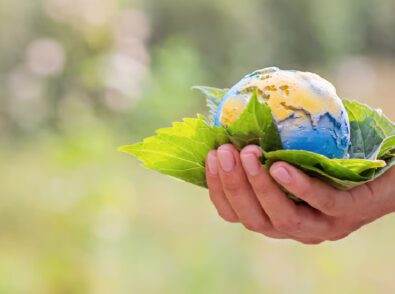
Earth Day facts that show the scale of the environmental crisis, from plastic and landfill waste to CO2 and wildlife loss. See what the numbers mean for you.