

Food Waste Composting: How to Start at Home and Work
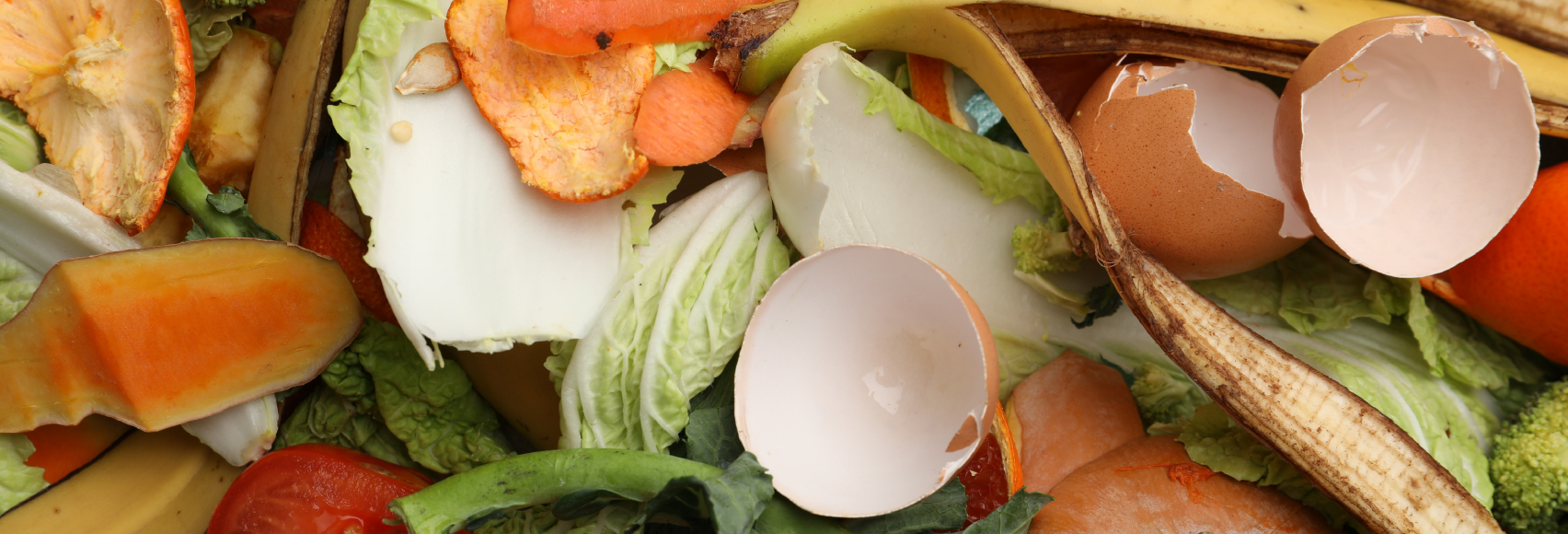


Food Waste Composting: A Practical Guide to Getting Started
Food waste composting turns your kitchen scraps into a rich soil amendment instead of landfill trash. It works at home, in a small apartment, or across a busy restaurant. This guide walks you through the how, the why, and the methods that fit your space. You’ll also learn what belongs in a compost pile and what to keep out.
What Is Food Waste Composting?
Food waste composting is the controlled breakdown of food scraps into a dark, soil-like material called compost. Compost is the finished product you can add to gardens, lawns, or potted plants.
The process is aerobic, which means it needs air to work well. Microbes, moisture, and oxygen team up to break scraps down over time. You supply the right mix of materials, and the tiny organisms do the rest. The EPA guide to composting at home covers the same basics.
This differs from what happens in a landfill. There, food gets buried and packed down without air. That airless setting slows the breakdown and creates different byproducts, which we cover next.
The scale can range from a single countertop bin to a large commercial operation. The core idea stays the same at every size. Feed microbes the right materials, then give them air and moisture. Composting is different from recycling, which handles materials like glass and metal instead. For a side-by-side look, see our guide on composting versus recycling.
Why Composting Food Waste Matters
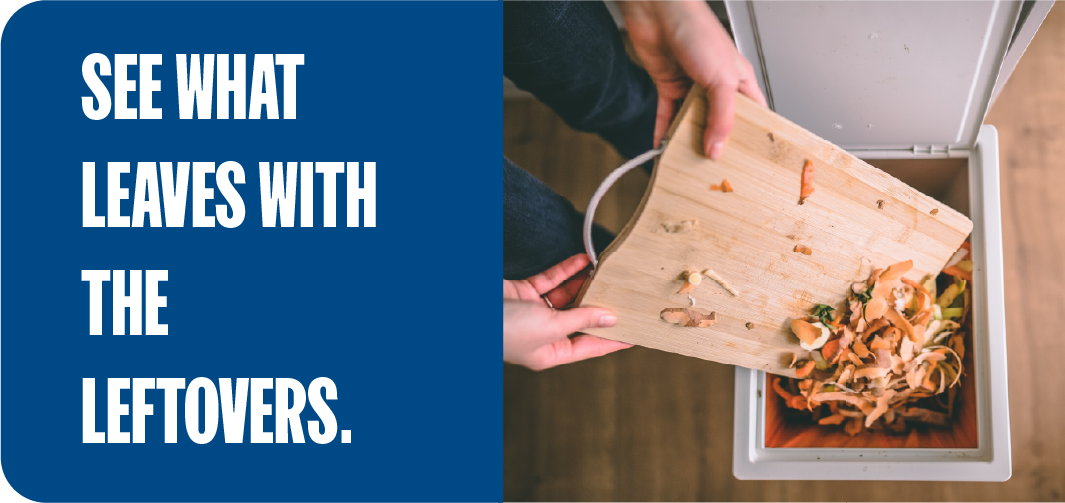
The benefits of composting start with keeping food scraps out of landfills. When food breaks down in a landfill without air, it releases methane, a potent greenhouse gas. Composting handles those same scraps with oxygen instead, so the process avoids that airless buildup. The EPA explains why food waste in landfills is such a large problem.
Finished compost also feeds your soil. It adds nutrients and helps the ground hold water, which supports stronger plant growth. That can reduce your need for chemical fertilizer.
There’s a practical upside too. Composting shrinks the volume of trash you send to the curb each week. For a business, that can mean lighter, less frequent waste pickups, and it pairs well with other sustainable foodservice swaps.
Gardeners value compost because it improves soil structure over time. Sandy soil holds moisture better, and heavy clay drains more easily. Those changes give roots a healthier place to grow.
Composting also fits into a business sustainability story customers notice. Diverting food scraps and using certified compostable foodware shows a clear, specific commitment. Our walkthrough on how to start a business composting program lays out the steps.
What You Can and Can’t Compost
A healthy pile needs two ingredient types: greens and browns. Greens are nitrogen-rich materials like fruit and vegetable scraps, coffee grounds, and fresh trimmings. Browns are carbon-rich materials like dry leaves, shredded paper, and cardboard.
A rough balance of both keeps the pile active and odor-free. Too many greens turn it slimy and smelly. Too many browns slow it down.
Some items cause trouble in a home system and are better left out. The table below sorts common kitchen materials, and our guide to certified compostable products explains how packaging fits in.
Compost at home | Avoid at home |
|---|---|
Fruit and vegetable scraps (greens) | Meat and fish |
Coffee grounds and filters (greens) | Dairy and cheese |
Eggshells (greens) | Oils and grease |
Dry leaves and yard trimmings (browns) | Bones |
Shredded paper and cardboard (browns) | Pet waste |
Meat, dairy, oils, and bones attract pests and create strong odors as they break down. Pet waste can carry harmful pathogens. Large or hot industrial systems can process some of these, but home setups usually can’t.

Composting Methods for Home and Business
There are several ways to compost food waste. The best fit depends on your space, budget, and how hands-on you want to be. The EPA outlines the main approaches to composting, and here’s how each one works.
Backyard Pile or Bin
This is the simplest outdoor option. You layer greens and browns in a pile or open bin. Keep it about as damp as a wrung-out sponge, and turn it now and then for air.
Turning speeds up the breakdown and keeps odors low. A backyard pile suits homes and businesses with outdoor room to spare.
Start the pile on bare soil so worms and microbes can move in from the ground. A loose bin with airflow works well for keeping things tidy.
Vermicomposting With Worms
Vermicomposting uses worms to eat through food scraps in a contained bin. Red wigglers are the usual choice, and they process scraps into a nutrient-rich material called worm castings.
Worm bins stay compact and work indoors, so they suit apartments and small kitchens. You keep the bin out of direct sun and feed it scraps in small batches.
Tumblers and In-Vessel Systems
Tumblers are enclosed, rotating drums you crank to mix the contents. In-vessel systems are larger sealed containers that hold and turn the material for you.
Both keep pests out and reduce odor because they’re closed. The contained setting also tends to speed breakdown compared with an open pile.
These systems work well for restaurants and offices that want a tidy setup. You still balance greens and browns, but the enclosure does more of the heavy lifting.
Bokashi Fermentation
Bokashi is a sealed indoor method that ferments scraps rather than composting them outright. You layer food waste with a special bran in an airtight bucket, then let it ferment.
The fermented material isn’t finished compost yet. You bury it in soil or add it to an outdoor pile to complete the breakdown.
Bokashi is a strong fit for kitchens with no outdoor access. The sealed bucket controls odor and pests. It can also handle small amounts of items an open pile can’t.
Community Drop-Off and Curbside Programs
No space at all? Many cities run curbside green-bin pickup or drop-off sites for food scraps. You collect scraps in a small caddy and hand them off to be composted at a larger facility.
These programs let apartment dwellers and busy businesses compost without managing a pile. Check your local municipality for what they accept.
Rules vary from city to city, so lists of accepted items differ. Some programs take only fruit and vegetable scraps, while others accept certified home compostable foodware too.

How to Start Composting Food Waste
Learning how to compost at home is straightforward once you pick a system. Understanding how composting works also makes each step easier to follow. Here’s a simple path to get going.
-
Pick a method and a spot that fits your space, whether that’s a backyard corner or a countertop bin.
-
Collect your food scraps in a small container near where you cook.
-
Add scraps to your system, balancing nitrogen-rich greens with carbon-rich browns.
-
Keep the pile moist and give it air by turning or tumbling it regularly.
-
Let the microbes work, then harvest the dark, crumbly compost from the bottom once it’s finished.
A few habits make the process smoother. Chop or shred large scraps so they break down faster. Keep a lid or cover on indoor caddies to control smell and fruit flies.
Watch the moisture and smell as your best signals. A pile that’s too wet needs more browns and a good turn. A pile that’s too dry needs a splash of water and fresh greens.
Timing varies by method, materials, and temperature. It can take anywhere from several weeks to several months. For home versus industrial timelines, see our guide on compost breakdown timelines.

Drawbacks of Composting Food Waste
Composting has real trade-offs worth weighing. The disadvantages of composting mostly come down to space, time, and upkeep. A pile needs room, and it needs regular attention to stay balanced.
If the greens and browns fall out of balance, you may get odor or pests. The fix is usually adding browns, turning the pile, and keeping meat and dairy out. A closed tumbler or worm bin can sidestep many of these issues.
Home systems are also less controlled than industrial ones. They run at lower temperatures, so they break down a narrower range of materials. For how large-scale facilities handle tougher inputs, see the different types of industrial composting.
None of these drawbacks is a dealbreaker. Picking a method that matches your space and time solves most of them. A worm bin, tumbler, or curbside program can remove the hassle while still cutting your landfill waste.
Choose Compostable Foodware for Your Business
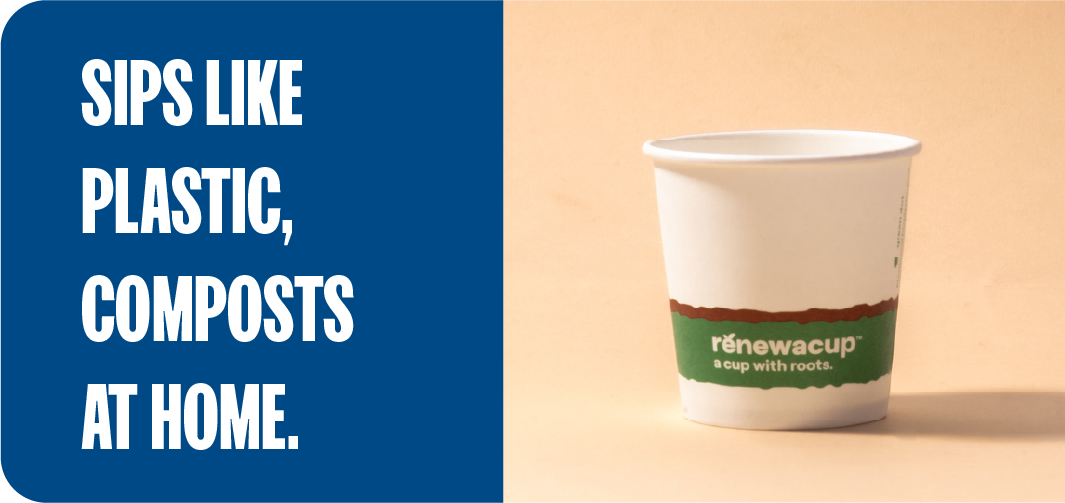
Food scraps aren’t the only thing that can go into a compost system. Certified compostable foodware breaks down in the same conditions as food waste, unlike conventional plastic that lingers for years.
At Greenprint®, we make foodware backed by named certifications, in line with the FTC Green Guide. Our agave Straws and Cutlery are certified TÜV Austria OK Compost HOME and BPI Commercial. Our Fiberware™ bagasse plates and bowls are certified TÜV Austria OK Compost INDUSTRIAL. That means they break down in commercial facilities.
Matching each product to the right system matters, and certifications tell you which one applies. You can verify any claim in the BPI certified compostable database, and our guide on composting certifications explained breaks it all down in plain English.
Ready to make the switch? Browse our certified compostable foodservice packaging or contact our team for help choosing the right fit.
Frequently Asked Questions
How long does food waste take to compost?
It depends on the method, materials, and temperature, ranging from several weeks to several months. Warmer, well-managed piles finish faster than cool, neglected ones.
Do you need a backyard to compost food waste?
No. Worm bins, bokashi buckets, and curbside or drop-off programs all let you compost without outdoor space.
Does composting reduce methane emissions?
Composting breaks scraps down with air, which avoids the airless landfill conditions that release methane. Keeping food waste out of landfills is a specific, verifiable benefit under the FTC Green Guide.
Can compostable foodware go in a home compost bin?
It depends on the certification. Products certified TÜV Austria OK Compost HOME suit home bins, while INDUSTRIAL-certified items need a commercial facility.


Illinois plastic bans and regulations explained: hotel bottle law, Chicago bag tax and foodware rules, local bans, and pending bills. Plan your compliance now.

Learn how to reduce carbon footprint at home with simple steps for energy, heating, food, and waste. Start with easy swaps your whole household can keep up.
Are styrofoam cups safe? See how styrene, heat, microwaving, and reuse change foam cup safety, and find foam-free cup options for hot and cold drinks.