

Hawaii Plastic Ban & Single-Use Plastic Laws by County


Content
- Does Hawaii Have a Statewide Plastic Ban?
- What Single-Use Plastics Are Banned in Hawaii?
- Honolulu’s Disposable Food Ware Ordinance (Bill 40)
- Maui County Plastic and Foam Rules
- Hawaiʻi County Foam Ban and 2027 Foodware Rules
- Kauaʻi Polystyrene Foam Ban
- How Do Plastic Bag Rules Work in Hawaii?
- What Happens if a Business Breaks the Rules?
- How to Choose Compliant Foodware in Hawaii
- Frequently Asked Questions
Hawaii Plastic Ban & Single-Use Plastic Laws: A County Guide
If you run a restaurant, food truck, or shop in Hawaii, your packaging rules depend on your county. This guide breaks down the Hawaii plastic ban and single-use plastic laws county by county. It covers foam, plastic foodware, straws, bags, and the compostable standard each county uses.
Does Hawaii Have a Statewide Plastic Ban?
No. There’s no state law that creates a Hawaii plastic ban for foodware or bags. Instead, all four counties (Honolulu, Maui, Hawaiʻi, and Kauaʻi) set their own rules.
State lawmakers have taken smaller steps. The Act 103 EPR study law was signed May 27, 2025. It requires the Department of Health to study packaging extended producer responsibility.
It’s a needs assessment only, and it creates no ban or new program. Department of Health testimony from 2026 says the study is due to the legislature by December 31, 2027. A 2026 bill, HB644, had not become law as of October 2026.
This guide reflects county rules as of October 2026. Rules change, so check with your county before ordering new packaging.
What Single-Use Plastics Are Banned in Hawaii?
The plastic ban in Hawaii looks different on each island. Honolulu and Maui ban most plastic foodware, while Kauaʻi bans foam containers only. Hawaiʻi County bans foam today and expects a broader rule in 2027.
Use this table for a quick scan. Then read your county’s section for the details. 
County | Foam Food Containers | Plastic Foodware & Utensils | Straws | Compostable Standard |
|---|---|---|---|---|
Honolulu (Oʻahu) | Banned; in full effect since Sept. 6, 2022 | Banned; any utensils given only on request | Plastic not allowed; given only on request | No certification standard verified; plant-based items aren’t “plastic” |
Maui County | Banned since Dec. 31, 2018 | Banned since Mar. 1, 2022; utensils must be non-plastic | Must be non-plastic; given only on request | Non-plastic items required; plastic-lined cups and bowls not allowed |
Hawaiʻi County | Banned; recyclable or compostable ware required since July 1, 2019 | Not covered today; ban expected Jan. 1, 2027 | Not covered today; ban expected Jan. 1, 2027 | BPI-certified now; ASTM D6400, D6868, or D8410 expected in 2027 |
Kauaʻi County | Banned since Jan. 1, 2022 | Not covered | Not covered | ASTM D6400 or D6868 for compostables that contain plastic |
Several counties exempt packaging for raw meat, seafood, and prepackaged food. Each county words its exemptions differently, so read your county’s list before you assume an item is exempt.
If you’re replacing foam or plastic across your menu, start with a list of plastic alternatives for restaurants. Check each one against your county’s column above.
Honolulu’s Disposable Food Ware Ordinance (Bill 40)
Honolulu’s rule is Ordinance 19-30, first introduced as Bill 40. Many people call it the Hawaii Disposable Food Ware Ordinance. It applies only to the City and County of Honolulu.
No food vendor may sell, serve, or provide prepared food in foam or disposable plastic food ware. Honolulu’s food ware ordinance page says the ban has been in full effect since September 6, 2022. If you’re looking up Bill 40 Hawaii rules, this is the law that applies on Oʻahu.
Disposable service ware, such as utensils, straws, and stirrers, goes out only when a customer asks. You can also offer it at a self-serve station or dispenser.
The ordinance text defines “plastic” as material made from fossil fuel or petrochemical polymers. That’s why plant-based utensils, paper straws, and wood chopsticks fall outside the ban. We found no certification requirement in the ordinance text we reviewed.
Some items are exempt. These include packaging for raw meat, poultry, seafood, produce, and uncooked eggs, plus prepackaged and shelf-stable food. Businesses can also apply for an exemption of up to two years, which can be renewed.
The Department of Environmental Services (ENV) enforces the ordinance. Fiberware™ bagasse clamshells and Green Dot agave straws are options to review against these rules. 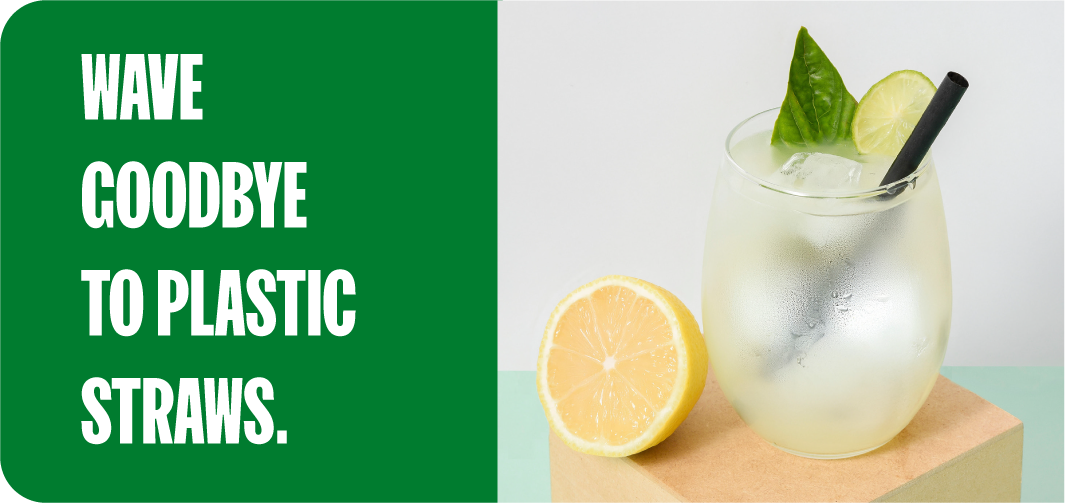
Maui County Plastic and Foam Rules
Maui County moved early on foam. Maui’s foam-free county page says polystyrene food service containers have been banned since December 31, 2018, under Ordinance 4457.
The broader Maui plastic ban came next. According to Maui’s plastic-free foodware rules, Ordinance 5084 took effect March 1, 2022, banning plastic disposable foodware. Utensils and straws must be non-plastic and given only on request.
Maui’s rules are stricter about materials than Honolulu’s. The county’s FAQ says plastic-lined cups and bowls are not allowed. Items made with PLA or other plant-based plastics may not pass, so ask the county before you switch.
Prepackaged food in plastic is still permitted, though the county discourages it. The Director of Environmental Management can grant temporary exemptions for supply problems or hardship. The rules cover Maui, Molokaʻi, and Lānaʻi.
Maui also banned the sale, rental, and distribution of foam bodyboards on August 9, 2022, under Ordinance 5236. It doesn’t affect foodservice, but it shows how far the county’s foam rules reach.
Hawaiʻi County Foam Ban and 2027 Foodware Rules
Styrofoam is a brand name, so the styrofoam ban Hawaii businesses mention is really a polystyrene foam ban. On Hawaiʻi Island, that rule is Ordinance 17-63, passed in September 2017.
Since July 1, 2019, Hawaiʻi County’s foam-free rules require food vendors to use recyclable or compostable ware. Compostable items must be BPI-certified, a third-party mark for commercial composting. Our guide on how compostable certifications work covers the details.
Today’s rule doesn’t cover straws, cup lids, utensils, food bags, or wrappers. Raw meat, poultry, seafood, and egg packaging is exempt, but sashimi and poke are not. 
A broader rule is on the way. The County Council passed Bill 83 on December 3, 2025, as Ordinance 26-03. County rules to carry it out are targeted to take effect January 1, 2027.
The draft rules bar plastic and foam cups, lids, bowls, plates, clamshells, trays, utensils, stirrers, straws, and portion cups. Food providers would need third-party certified compostable (ASTM D6400, D6868, or D8410) or reusable foodware. The rules also list one other certified category, so read the final text.
Hardship exemptions could run up to 180 days. The rules went to public hearing in May 2026. Confirm the start date with the County Department of Environmental Management.
Kauaʻi Polystyrene Foam Ban
Kauaʻi bans polystyrene foam food containers only. Kauaʻi’s polystyrene ban page says Ordinance 1079 took effect January 1, 2022. It covers plates, trays, cups, bowls, cartons, and clamshells.
Kauaʻi has no ban on plastic utensils or straws. Foods packaged outside Kauaʻi are exempt, and so is packaging for raw meat, poultry, fish, and eggs.
Compostable containers that contain plastics must meet ASTM D6400 or D6868. Certified items still need access to industrial composting facilities to break down as designed.
Kauaʻi also passed Bill 2976, which bans businesses from selling, renting, or handing out disposable foam bodyboards. The mayor signed it December 10, 2025, and it takes effect one year after approval. It doesn’t change foodservice rules.
How Do Plastic Bag Rules Work in Hawaii?
There’s no state Hawaii plastic bag ban. Instead, NCSL’s plastic bag tracker calls it a de facto statewide ban. That’s because the most populous counties prohibit certain plastic checkout bags.
According to NCSL, most county bag bans took effect between 2011 and 2013. Honolulu’s followed in 2015.
Honolulu’s ban has changed several times. Honolulu’s business ordinances page lists Ordinance 12-8, effective July 1, 2015. Amendments followed in Ordinance 14-29 (July 1, 2018), Ordinance 17-37 (January 1, 2020), and Ordinance 19-30 (January 1, 2021).
KHON2 reports that reusable plastic bags thicker than 10 mils are allowed on Oʻahu with a minimum 15-cent charge. Confirm the current fee details with ENV before you set prices. If you also sell on the mainland, compare rules in our overview of states with plastic bag bans. 
What Happens if a Business Breaks the Rules?
Penalties vary by county, and not every county publishes clear fine amounts. The figures below are the ones we could confirm.
In Honolulu, ENV issues a warning first. If a business ignores an order to stop, it faces a civil fine of $100 to $1,000 per day under the ordinance text.
Hawaiʻi County’s draft rules propose a stepped scale for food vendors: a warning, then $50, then up to $200. Special events would pay $200, $400, or up to $1,000, based on event size. The Department of Environmental Management would enforce them.
We couldn’t verify fine amounts for Maui or Kauaʻi, so check each county code. On Oʻahu, contact ENV, and on Maui, contact the Department of Environmental Management.
On Hawaiʻi Island, reach the Department of Environmental Management. On Kauaʻi, the Public Works Solid Waste Division posts the foam ban details. For a wider view of planning, see our plastic regulation guide for businesses.
How to Choose Compliant Foodware in Hawaii
Start with your county, because one product can pass on Oʻahu and fail on Maui. Then check each item’s material and certification against that county’s rules.
-
Confirm which county’s rules apply to each location you run.
-
Check the material, since Maui requires non-plastic items and Honolulu defines plastic as fossil-fuel based.
-
Match the certification to the county, such as BPI in Hawaiʻi County or ASTM D6400 or D6868 on Kauaʻi.
-
Ask suppliers for certificates and keep copies on file.
-
Plan for disposal, since compostable items need a place to go.
Ask your waste hauler where compostable items can go on your island. Our guide to adding compostable packaging to operations covers how to plan for disposal. 
At Greenprint®, we make certified compostable foodware you can review against your county’s rules. Our Fiberware clamshells, plates, and bowls are made from bagasse and carry TÜV Austria OK Compost INDUSTRIAL certification. Our Green Dot Upcycled Agave Cutlery carries BPI Commercial Compostability certification. You can look up certificates in the TÜV Austria and BPI public databases.
Those certifications won’t match every county. Fiberware carries a TÜV mark rather than BPI, so confirm Hawaiʻi County accepts it. Maui may not accept PLA-based cutlery.
Browse our plant-based compostable takeout containers and compare each certificate with your county’s rules before you order.
Frequently Asked Questions
Are Plastic Straws Banned in Hawaii?
There’s no statewide Hawaii plastic straw ban, but Honolulu and Maui County don’t allow plastic straws. Kauaʻi has no straw rule, and Hawaiʻi County’s straw ban is expected January 1, 2027.
Are Compostable Utensils Allowed in Honolulu?
Yes, as long as they’re plant-based and given on request or at a self-serve station. Honolulu’s ban covers only fossil-fuel plastic.
Is Hawaii Getting a Statewide Plastic Ban?
Not yet. Act 103 only requires a packaging study due December 31, 2027, and HB644 had not passed as of October 2026.
Can Visitors Bring Plastic Bags to Hawaii?
Yes. County bag rules apply to the bags businesses provide at checkout, not to bags shoppers bring with them.
References
- https://health.hawaii.gov/shwb/solid-waste/planning/act-103-needs-assessment-for-an-extended-producer-responsibility-epr-study/
- https://www.honolulu.gov/env/ref/disposable-food-ware-ordinance/
- https://www.mauicounty.gov/2282/Foam-Free-Maui-County
- https://www.mauicounty.gov/1974/Plastic-Free-Maui-County
- https://www.hawaiizerowaste.org/reduce/foam-free-hawaii-county/
- https://www.kauai.gov/Government/Departments-Agencies/Public-Works/Solid-Waste/Recycling/Polystyrene-Ban
- https://www.ncsl.org/environment-and-natural-resources/state-plastic-bag-legislation
- https://www.honolulu.gov/env/ref/business-ordinances/
- https://cdn.airops.com/rails/active_storage/blobs/proxy/eyJfcmFpbHMiOnsiZGF0YSI6NzgxNjE2NTI3LCJwdXIiOiJibG9iX2lkIn19--e069a91f74ce18203326ec88d3a5f1ca9df406a0/94_Hawaii%20Plastic%20Ban%20&%20Single-Use%20Plastic%20Laws_3.png


Nanoplastics vs. microplastics comes down to size. Learn how they differ, why researchers worry more about nanoplastics, and simple ways to reduce exposure.
Earth Day facts that show the scale of the environmental crisis, from plastic and landfill waste to CO2 and wildlife loss. See what the numbers mean for you.

Minnesota plastic ban rules for businesses, including city bag fees, Green To Go takeout packaging, PFAS limits, compostable labels, and EPR dates to plan for.