

How to Reduce Carbon Footprint at Home: Simple Steps



Content
- What Is a Household Carbon Footprint?
- How to Cut Energy Use at Home
- How to Heat and Cool Your Home With Less Energy
- How to Reduce Your Carbon Footprint With Food
- How to Cut Food Waste and Compost Kitchen Scraps
- How to Reduce Household Waste and Single-Use Plastics
- How to Make Low-Carbon Habits Stick at Home
- Frequently Asked Questions
How to Reduce Your Carbon Footprint at Home: A Simple Guide
If you’re wondering how to reduce carbon footprint at home, start with the biggest levers you control. Those are your energy use, your heating and cooling, the food you buy, and the waste you throw out. Small changes in each area add up, and most of them cost little or nothing.
What Is a Household Carbon Footprint?
Your household carbon footprint is the greenhouse gas released by the energy, food, and stuff your home uses. For the full definition, see our guide on how carbon footprints are measured. The EPA greenhouse gas overview explains which gases are involved and where they come from.
Sorting your habits into groups makes it easier to see how to reduce carbon footprint in daily life. This guide covers these home sources:
-
Electricity for lights, electronics, and appliances.
-
Heating and cooling your living space.
-
The food you buy, cook, and eat.
-
The waste your household sends to the curb.
How to Cut Energy Use at Home
Electricity is one of the easiest places to start. Generating it is a major entry on the EPA’s list of sources of greenhouse gas emissions. These ways to reduce carbon footprint at home are quick, and each one lowers your power use.
Switch to LED bulbs. They use less electricity than old incandescent bulbs and last much longer. That means you buy and toss fewer of them.
Unplug electronics you aren’t using. TVs, game consoles, and chargers can draw power even when they’re off. A power strip lets you shut down a whole group with one switch.
Choose efficient appliances when it’s time to replace one. Look for the ENERGY STAR label on fridges, washers, and dishwashers. Efficient models do the same job with less energy.
Wash clothes in cold water. Heating water takes a lot of energy, and many everyday loads come out clean in cold. Air-drying when you can saves even more.
Run full loads. Wait until the dishwasher or washing machine is full before you start it. You’ll run fewer cycles and use less water and power.
Check your water heater setting. If it runs hotter than you need, turn it down a notch. You’ll still get warm showers and waste less energy keeping water hot.
Ask your utility about renewable power. Many utilities offer a renewable energy plan. Signing up shifts more of your electricity toward cleaner sources without changing your daily routine.
How to Heat and Cool Your Home With Less Energy
Heating and cooling belong on any list of 10 simple ways to reduce your carbon footprint. That’s because keeping your home comfortable uses a lot of energy. You can cut that use and still feel comfortable.
Start with a home energy assessment. This is a checkup that finds where your home loses heated or cooled air. Some utilities offer one, and you can also do a simple walk-through yourself.
Next, look at weatherization. Weatherization means sealing air leaks and adding insulation so your home holds its temperature better. Caulk gaps around windows, add weatherstripping to doors, and check the insulation in your attic.
Then make modest thermostat adjustments. Set it a little lower in winter and a little higher in summer. A programmable or smart thermostat can handle this while you sleep or work.
Use what you already have. Close curtains on hot afternoons and open them on sunny winter days. Ceiling fans help you feel cooler, and a clean furnace filter helps your system run well.
For more ideas on heating, cooling, and sealing, see these ENERGY STAR home energy tips. They cover projects you can do yourself and ones that need a pro.

How to Reduce Your Carbon Footprint With Food
What you put on your plate has a footprint too. Growing, processing, and shipping food all take energy. To learn how to reduce your carbon footprint with food, focus on what you buy and how you shop.
Eat more plant-based meals. Beans, lentils, grains, and vegetables generally take fewer resources to produce than red meat. You don’t have to go fully vegetarian.
Start with a few meat-free dinners each week and build from there. Swap ground beef for lentils in tacos, or add beans to soups and pasta. These meals are often cheaper, too.
Buy seasonal food. Produce that’s in season near you often needs less heated growing or long storage. Farmers markets and store signs can help you spot what’s fresh right now.
Shop with a list. A list keeps you from buying food that spoils before you use it. Check your fridge and pantry first so you don’t double up on what you already have.
Cook smart at home. Batch cooking a big pot of soup or grains means you fire up the stove less often. Lids on pots and a right-sized burner help, too.
How to Cut Food Waste and Compost Kitchen Scraps
Wasted food also wastes the energy, water, and fuel used to grow and ship it. Our article on the environmental impact of food waste covers the full picture. The steps below help you waste less in your own kitchen.
Plan your meals. Decide what you’ll cook for the week, then buy only what those meals need. Leave one night open for leftovers.
Store food the right way. Move older items to the front of the fridge so you see them first. Freeze bread, meat, and leftovers you won’t eat in time.
The EPA wasted food tips include more ideas for storage and planning. They’re a good reference to keep handy.
Use up leftovers. Turn extra rice into fried rice and soft fruit into smoothies. Pack last night’s dinner for lunch.
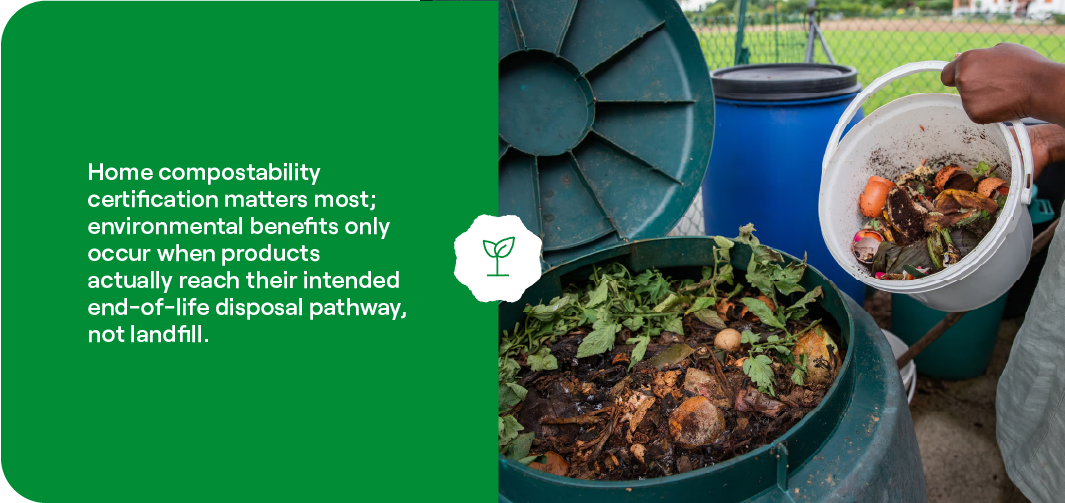
Compost what’s left. At Greenprint®, we think about the full path from kitchen to compost, and that same thinking works at home. Our guide to what you can compost covers the basics.

Ready to set up a bin or pile? The EPA home composting guide walks you through getting started.
How to Reduce Household Waste and Single-Use Plastics
Everything you throw away took energy to make, ship, and haul off. Cutting waste lowers the emissions tied to all those steps. To see where disposable forks and plates often end up, read about plastic foodware in landfills.
Recycle the Right Way
Recycling only works when the right items go in the bin. Check your local program’s rules, since accepted items vary by city. The EPA guide to common recyclables covers paper, cardboard, metal, glass, and plastics.
Avoid contamination. Empty and rinse containers, keep them loose instead of bagged, and leave out items your program doesn’t take. Food residue and wrong items can contaminate the rest of the bin.
Some items don’t belong in curbside bins at all. Plastic bags and film often need a store drop-off, and batteries and electronics usually need special collection. Your city’s website should list where to take them.
Compostable and recyclable items follow different paths, so they go in different bins. Our breakdown of compostable versus recyclable packaging explains how to sort them.
Swap Disposables for Reusable or Compostable Options
Reusables come first. Use cloth napkins, refillable water bottles, and real dishes for everyday meals. Keep a reusable bag and cup with you so you skip single-use items on the go.
Gatherings and takeout nights are different. When washing a stack of dishes isn’t realistic, certified compostable foodware is a practical option. The carbon footprint of foodware materials varies, so material choice matters.
Our compostable plates, cutlery, cups, and straws are certified compostable by BPI or TÜV Austria. The FTC Green Guides warn against vague environmental claims, so look for a named certification. Many compostable items need an industrial composting facility, so check what your local program accepts.
Straws are an easy place to start. Our comparison of compostable straws versus plastic shows how the two options differ.

How to Make Low-Carbon Habits Stick at Home
Learning how to reduce carbon footprint at home is the easy part. Keeping the habits going takes a plan.
Don’t try to change everything at once. Pick a few easy swaps, like LED bulbs, cold-water laundry, and a meal plan. Once those feel normal, add the next one.
Involve everyone in your home. Give each person a job, such as sorting recycling, emptying the compost pail, or switching off the power strip. Kids often enjoy being in charge of a task.
Track your progress. Watch your utility bills and notice how fast your trash bin fills. Seeing results helps you stay with it.
Make the easy choice the default. Keep reusable bags by the door and a compost pail on the counter. Put a power strip where everyone can reach it.
Think about the full life of what you buy, too. Our guide to embodied carbon in foodware explains the emissions built into products before you use them. For your next gathering, our certified compostable tableware gives you a disposable option with a clear end-of-life path.
Frequently Asked Questions
What Are 5 Ways to Reduce Your Carbon Footprint at Home?
Try these 5 ways to reduce carbon footprint at home: use LEDs, wash in cold water, and seal drafts. Then eat more plant-based meals and compost food scraps.
What Household Items Give Off the Most CO2?
Items that burn fuel or use lots of electricity usually account for the most emissions at home. That includes furnaces, air conditioners, water heaters, and clothes dryers.
Does Composting Really Lower Carbon Emissions?
Yes, because composting keeps food scraps out of landfills, where rotting organic waste creates methane-containing landfill gas. Our article on composting versus landfill emissions explains the difference.
Is Reducing Your Carbon Footprint at Home Expensive?
No, many steps are free, like washing in cold water, unplugging electronics, and planning meals. Bigger upgrades like insulation cost more upfront but can lower your energy bills over time.
References
- https://www.epa.gov/ghgemissions/overview-greenhouse-gases
- https://www.epa.gov/ghgemissions/sources-greenhouse-gas-emissions
- https://www.energystar.gov/saveathome
- https://www.epa.gov/recycle/preventing-wasted-food-home
- https://www.epa.gov/recycle/composting-home
- https://www.epa.gov/recycle/how-do-i-recycle-common-recyclables
- https://www.epa.gov/lmop/basic-information-about-landfill-gas

Are styrofoam cups safe? See how styrene, heat, microwaving, and reuse change foam cup safety, and find foam-free cup options for hot and cold drinks.

The environmental impact of food waste runs from methane emissions to wasted water and land. See how it harms the planet and simple ways to cut it today.

New Jersey plastic bans and regulations cover bags, foam, straws, and utensils. Learn what is banned, who must comply, and compliant compostable swaps.