

What Can You Compost? A Complete Compostables Guide


What Can You Compost? A Practical Guide to Compostable Items
So what can you compost? The short answer is most things that were once alive. That includes food scraps, yard waste, and many paper products. Some items break down in a backyard pile, while others need an industrial facility. A healthy pile also depends on balancing greens and browns.
Food Scraps You Can Compost
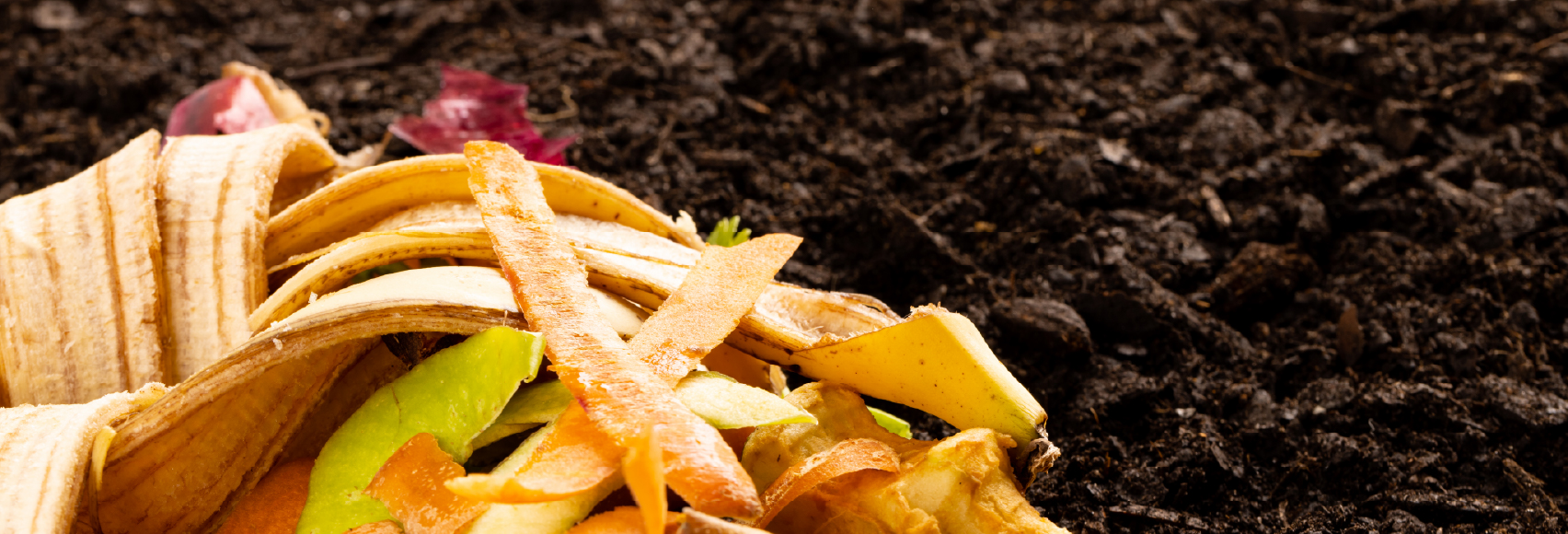
Your kitchen produces plenty of compostable material every day. Most raw plant food and many cooked leftovers are welcome in a pile. Composting them keeps that waste out of the landfill and feeds your soil instead.
For a business kitchen, food scraps are often the largest share of daily waste. Sorting them at the source makes commercial composting simple for your whole team.
Common food scraps you can compost at home include:
-
Fruit and vegetable peels, cores, and rinds.
-
Onion skins, garlic paper, and corn cobs.
-
Coffee grounds and unbleached paper filters.
-
Tea leaves and staple-free tea bags.
-
Crushed eggshells.
-
Nut shells.
-
Fruit pits and apple cores.
-
Stale bread and stale cereal.
-
Plain cooked pasta and rice.
-
Wilted or spoiled produce from the fridge.
-
Cooked plain grains and oatmeal.
Chop or crush larger scraps before you add them. Smaller pieces break down faster and give microbes more surface to work on.
Coffee grounds and crushed eggshells are two of the most useful additions. Grounds add nitrogen, and eggshells add slow-release minerals as they break down.
Citrus peels and onion skins are fine in most home piles. Add them in moderation, since large amounts can slow things down. For more starter guidance, see the EPA’s home composting guidance.
Keep meat, bones, dairy, and greasy food out of a backyard pile for now. They attract pests and create odor, so we cover them later in the guide.
Yard and Garden Waste You Can Compost
Yard trimmings add structure and carbon to your pile. They also balance out wetter kitchen scraps and help air move through the material.
Accepted yard and garden materials include:
-
Grass clippings.
-
Fallen leaves.
-
Small twigs and branches.
-
Flower and plant clippings.
-
Weeds that have not gone to seed.
-
Pine needles in small amounts.
-
Untreated wood chips and sawdust.
Use only chemical-free material. Grass, leaves, and wood treated with pesticides or stains can carry those chemicals into your finished compost.
Skip weeds that have already gone to seed. Backyard piles rarely get hot enough to kill the seeds, and they can sprout later in your garden.
Dry leaves are worth saving through the year. Store a few bags and add them whenever your pile turns too wet or starts to smell. Our backyard composting tips for your home cover more simple habits.
Break up thick branches or run them through a chipper first. Large woody pieces take a long time to decompose on their own.
Fresh grass clippings count as greens, while dry brown leaves count as browns. Mixing the two helps your pile stay balanced from the start.
Paper and Cardboard You Can Compost
Many paper products break down well, especially when they are soiled with food. Uncoated, plain paper works best because it has no plastic or wax coating.
Paper and cardboard you can compost include:
-
Paper napkins and paper towels.
-
Shredded plain cardboard.
-
Cardboard tubes from paper towels and toilet paper.
-
Non-glossy newspaper.
-
Paper egg cartons.
-
Uncoated paper plates.
-
Greasy pizza boxes torn into pieces.
Shred or tear paper into smaller pieces first. This helps it soak up moisture and mix evenly with your food scraps.
Food-soiled paper is a strong fit for compost. Greasy napkins and pizza boxes cannot be recycled, which is one way compostable and recyclable materials differ.
Paper and cardboard also work as browns in your mix. Keep a small stash near your bin to layer over fresh food scraps.
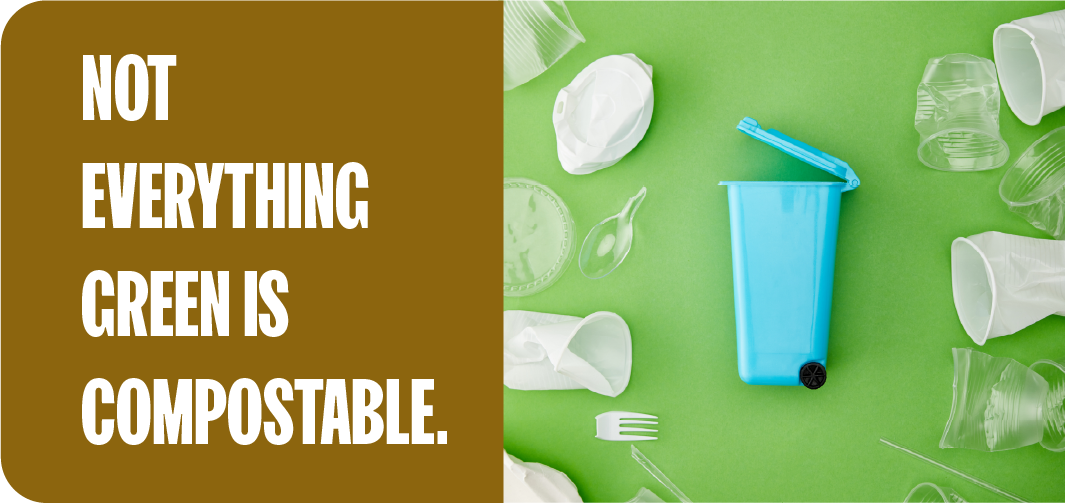
Leave out glossy, waxed, or plastic-lined paper. Those coatings do not break down and can leave plastic bits behind. That is why they belong in the avoid list below.
Surprising Household Items You Can Compost
Composting reaches well beyond the kitchen and garden. Several everyday household items are organic and pile-ready, and many people throw them away by habit.
Once you start looking, compostable items turn up all over the house. The bathroom, laundry room, and home office all produce natural waste you can divert.
Surprising items you can compost include:
-
Natural fibers such as cotton and wool.
-
Hair and nail clippings.
-
Dryer lint from natural fabrics.
-
Fireplace ash in small amounts.
-
Wine corks made from real cork.
-
Toothpicks and wooden stir sticks.
-
Dead flowers and spent houseplants.
-
Paper tea bags and coffee filters.
-
Shredded natural-fiber string and twine.
Check labels before you toss fabric or lint in the bin. Synthetic blends contain plastic fibers, so stick to items that are fully natural.
Wine corks are worth a second look before you toss them. Real cork comes from tree bark and breaks down, but plastic stoppers do not.
Add ash sparingly and only from untreated wood. A little helps, but too much can throw off the balance of your pile.
Small natural items add up over time. Nail clippings, hair, and dryer lint may seem minor, but they all return to the soil.
Greens and Browns: How to Balance Your Compost
Healthy compost comes down to two ingredient types. Getting the mix right keeps your pile active, warm, and odor-free.
Greens are nitrogen-rich and usually moist. Think food scraps, fresh grass clippings, and green plant trimmings. Browns are carbon-rich and dry, such as fallen leaves, paper, and cardboard.
Greens give microbes the protein they need to grow. Browns give them energy and keep the pile from getting too wet or dense.
A good pile leans toward browns, with fewer greens layered in. This mix helps control moisture and cuts down on smell. It also gives microbes the balance they need to work.
If your pile smells sour or turns slimy, add more browns. If it looks dry and never heats up, mix in more greens and a little water.
Turning your pile every week or two keeps air moving. Oxygen helps microbes stay active and speeds up the whole process. Composting is also a practical step toward reducing wasted food at home.
Aim for a damp texture, like a wrung-out sponge. Too dry slows things down, and too wet crowds out the air your pile needs.
What You Can’t Compost
Some materials do not break down safely, and others create problems in a backyard pile. Knowing what you can’t compost protects your finished soil and your health.
A few of these items belong in industrial composting rather than the trash. Meat, bones, and dairy, for example, are often accepted by municipal programs. It also helps to understand what certified compostable products are before you sort them.
Keep these items out of your compost:
-
Plastics and plastic-lined paper.
-
Meat, bones, dairy, and grease in home piles.
-
Pet waste from cats and dogs.
-
Diseased or pesticide-treated plants.
-
Glossy or coated paper.
-
Produce stickers.
-
Coal ash and charcoal ash.
Produce stickers are easy to miss, so peel them off before composting the fruit. Coal and barbecue charcoal ash can contain harmful substances, so keep them out of your compost.
When in doubt, leave questionable items out to keep your pile clean. A cautious approach protects the quality of the soil you plan to grow in.
Pet waste and diseased plants can spread harmful bacteria or fungus. Keep them out so your finished compost stays safe for growing food.
Home Composting vs. Industrial Composting
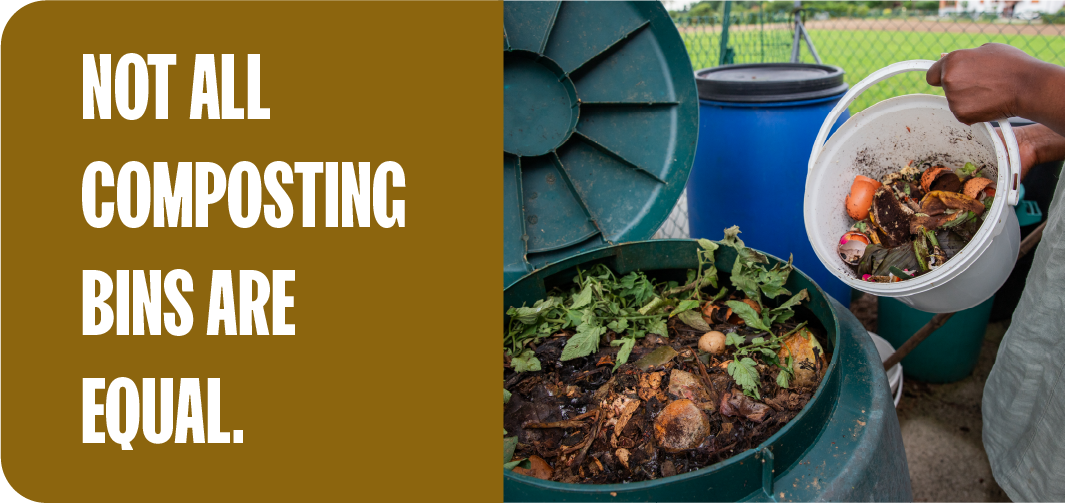
Some certified compostable foodware breaks down in a backyard pile. Other items need the higher heat of an industrial facility. The label and its certification tell you which path an item needs.
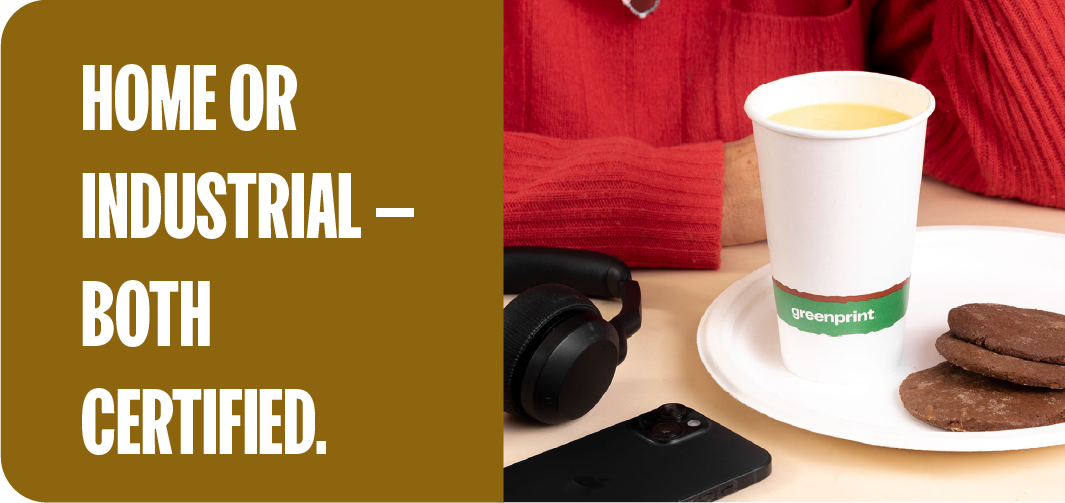
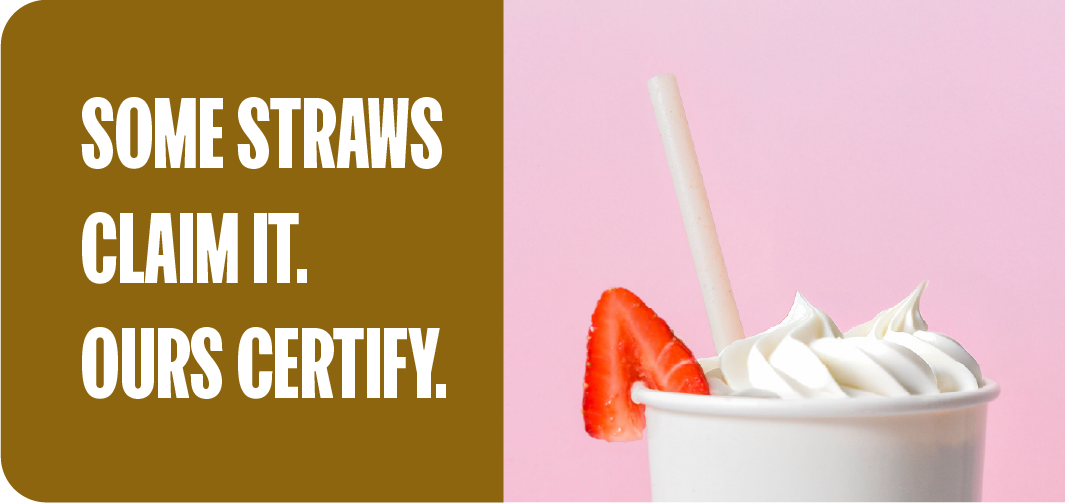
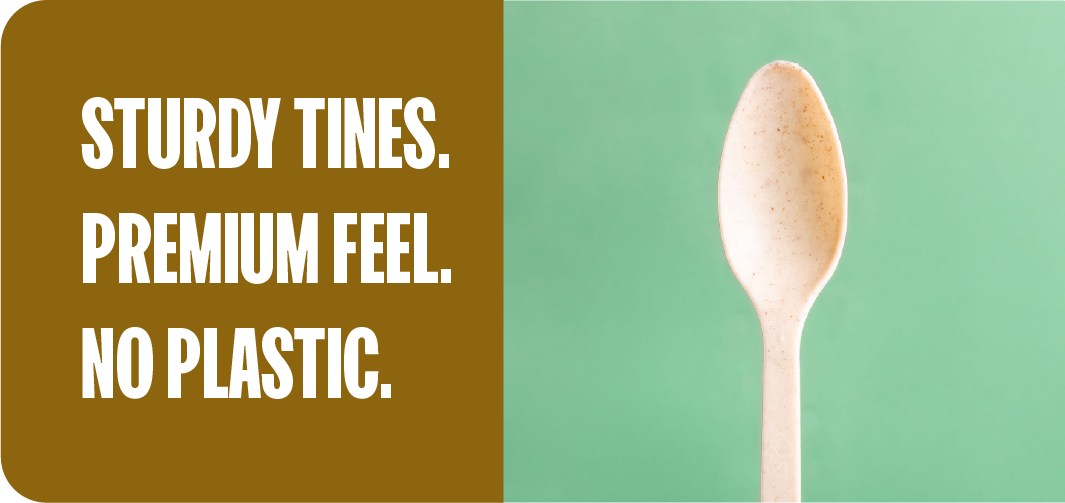
Greenprint® certified compostable foodware shows how this works. Greenprint® Compostable Agave straws hold TÜV Austria OK Compost HOME certification. An enzyme masterbatch enables this by breaking down the PLA at backyard temperatures. Greenprint’s Compostable Agave cutlery and Fiberware™ (bagasse) need industrial composting. The cutlery is certified through BPI certified compostable products, and Fiberware™ holds TÜV Austria OK Compost INDUSTRIAL certification.
For the full mechanics, see the guides on home versus industrial composting and composting certifications. Ready to make the switch? Explore Greenprint’s certified compostable foodservice packaging for your home or business.
Frequently Asked Questions
Can you compost bread and pasta?
Yes, plain stale bread and plain cooked pasta compost well. Keep amounts small and bury them in the pile to deter pests.
Can you compost meat, bones, and dairy at home?
Avoid them in backyard piles, since they attract pests and cause odor. Many municipal composting programs do accept them, so check your local rules.
Can you put compostable cups and cutlery in a backyard pile?
Only items with a home compost certification, such as TÜV Austria OK Compost HOME, belong in a backyard pile. Greenprint’s home-certified compostable agave straws qualify, while compostable agave cutlery and most serviceware need industrial composting. Certification claims follow the FTC Green Guides.
How long does it take for compost to break down?
Most compost takes several months to about a year to finish. The timing depends on the materials, the size of your pile, and how often you turn it.
References

Nanoplastics vs. microplastics comes down to size. Learn how they differ, why researchers worry more about nanoplastics, and simple ways to reduce exposure.

Earth Day facts that show the scale of the environmental crisis, from plastic and landfill waste to CO2 and wildlife loss. See what the numbers mean for you.

Minnesota plastic ban rules for businesses, including city bag fees, Green To Go takeout packaging, PFAS limits, compostable labels, and EPR dates to plan for.