

Post-Consumer vs Post-Industrial Recycled Content



Content
- What Is Post-Consumer Recycled Content?
- What Is Post-Industrial Recycled Content?
- Key Differences Between Post-Consumer and Post-Industrial Content
- Why Post-Consumer Recycled Content Has a Bigger Environmental Impact
- How Recycled Content Rules Affect Foodservice Packaging
- How to Choose Recycled Content for Your Business
- Frequently Asked Questions
Post-Consumer vs Post-Industrial Recycled Content
The Post-Consumer vs Post-Industrial Recycled Content question comes down to one thing: where the material starts its second life. Post-consumer content is made from items people already used and recycled. Post-industrial content is made from factory scrap that never reached a shopper. Both cut waste, but they do it differently, and one carries more weight for your sustainability goals. If you run a restaurant or foodservice operation, this guide helps you choose with confidence.
What Is Post-Consumer Recycled Content?
Post-consumer recycled content (PCR) is material a person bought, used, and placed in a recycling bin. It gets collected, sorted, and remade into new products instead of heading to a landfill (see what happens to foodware in landfills).
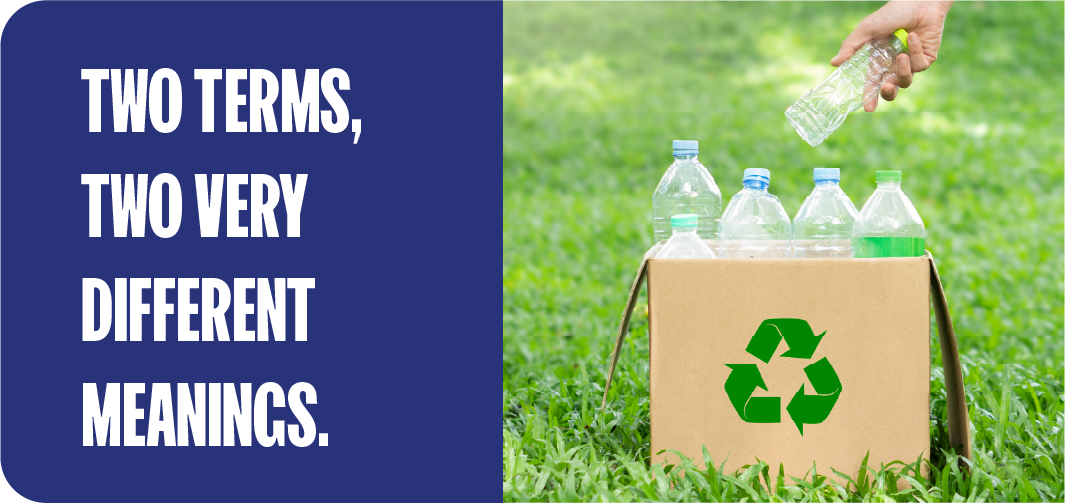
Picture the plastic water bottle you rinse and drop in the blue bin. Or the aluminum can from lunch, or the cardboard box off your porch. When those items get processed into something new, that’s post-consumer recycled content at work.
You’ll also see this called post-consumer waste, since the material comes straight from the everyday waste stream. It’s the kind of recycling most people picture when they hear the word.
This is also the short answer to “what is PCR plastic.” It’s plastic made from bottles and packaging that consumers already used and returned for recycling. Because it comes from real households, PCR is the form of recycled content buyers ask about most. The ISO 14021 recycled-content standard sets out how these terms are defined.
Behind the scenes, sorting facilities separate these materials by type and grade. That step matters, since mixed or dirty loads are harder to turn into quality new products.
People sometimes call this “closing the loop.” A product you used comes back as a new product you can buy again. When that cycle works, less material is pulled from the earth to make things from scratch. That’s the payoff post-consumer content is designed to deliver.
What Is Post-Industrial Recycled Content?
Post-industrial recycled content (PIR) is manufacturing scrap captured before a product ever reaches a consumer. Think trimmings, offcuts, and rejected batches from the factory floor.
Instead of tossing that scrap, the manufacturer collects and reprocesses it into fresh material. It’s efficient, and it keeps usable material inside the production loop.
You’ll often hear post-industrial recycled content called pre-consumer recycled content. The two terms mean the same thing: material recovered before it reaches a customer. Shoppers rarely see it on a label, because it happens behind the scenes.
Common examples include plastic edges trimmed from molded parts and paper scrap left over from cutting. These pieces never got used, so they stay clean and easy to reprocess.
Manufacturers value post-industrial content for good reason. It’s consistent, low in contamination, and often cheaper than buying brand-new material. That makes it a practical way to trim waste without changing how a product performs (see upcycled material sourcing in foodservice).
Key Differences Between Post-Consumer and Post-Industrial Content
The clearest way to compare the two is by source and cleanliness. PCR pulls from the public waste stream, so it tends to carry more contamination. PIR comes from a controlled factory setting, so it’s usually cleaner and more predictable.
That gap in cleanliness shapes the environmental value too. Cleaner scrap is easier to reuse, but it was never really at risk of becoming trash. PCR takes more effort to clean and sort, yet it keeps real waste out of landfills.
Factor | Post-Consumer (PCR) | Post-Industrial (PIR) |
|---|---|---|
Source | Items people used and recycled. | Factory scrap captured before sale. |
Purity | More mixed and contaminated. | Cleaner and more consistent. |
Environmental impact | Diverts waste already in circulation. | Reuses scrap, adds less new benefit. |
So PCR is harder to process but does more for the planet. PIR is easier to work with but adds less new environmental value. Knowing that difference helps you read a product label with clear eyes.
Many products blend both types to balance cost, quality, and impact. When you compare options, ask how much of each type a product actually contains.
A high recycled-content share isn’t always better on its own. What counts is whether that content is post-consumer, post-industrial, or a mix. That detail tells you what the number really means for waste and the environment.
Why Post-Consumer Recycled Content Has a Bigger Environmental Impact
Post-consumer recycled content pulls material that’s already out in the world back into use. When you buy products with PCR, you drive demand for the recycling systems behind a circular economy (see certified compostable vs recycled content).
You’ll spot this on store shelves. When brands choose post-consumer recycled content for their packaging, they create steady demand for reclaimed material. That demand gives collected waste a market and keeps recycling programs funded.
There’s a catch worth knowing. Recycling can lower a material’s quality with each cycle, which limits how many times it can be reused (we cover how recycling affects material quality in detail).
Even so, choosing post-consumer recycled content sends a signal down the supply chain. It tells manufacturers that collected waste has real, bankable value. Post-industrial content helps too, but it mostly reuses material that never left the factory.
There’s a human side as well. Strong demand for post-consumer material supports the workers and programs that collect and sort our recycling. Your buying choices help keep that whole system running. The EPA recycling basics and benefits page explains how those systems work.
How Recycled Content Rules Affect Foodservice Packaging
Recycled content isn’t just a preference anymore. Some states now set minimum recycled-content requirements for packaging. California post-consumer recycled content rules for plastic rank among the strictest (we break down the evolution of plastic regulation).
For a restaurant or foodservice operator, that means your packaging may need to meet real legal standards. Staying informed keeps you ahead of the rules instead of scrambling later (start with our plastic regulation guide for businesses).
Foodservice packaging draws extra attention because so much of it is single-use. Cups, containers, and takeout boxes pile up fast in the waste stream. Rules that push recycled content aim to shrink that pile over time. For operators, that turns a sustainability goal into a concrete purchasing decision.
These rules also shape what suppliers offer. As more states set targets, you’ll see more foodservice packaging labeled with a specific recycled-content share you can verify. They also align with national efforts like the EPA National Recycling Strategy.
Keep in mind that recycled content and compostable are not the same thing. A recycled-content cup is made from reclaimed material, while a compostable cup is built to break down after use. Your local waste system should guide which path fits your business.
How to Choose Recycled Content for Your Business
Start with the job the product has to do. Match the recycled content type to the item’s performance needs and your sustainability goals.
If durability and food safety come first, cleaner post-industrial content may fit well. If your goal is diverting real-world waste, prioritize post-consumer recycled content instead. In many cases, a product that uses both can give you the best of each.
Ask suppliers where their recycled content comes from and how it’s verified. A clear answer signals a partner you can trust, while a vague one is a warning sign. Programs like the APR PCR certification program exist to confirm those claims.
Think about your customers too. Diners increasingly notice packaging, and a verified recycled-content claim gives you a real story to share. Honest, specific labeling builds more trust than a vague promise ever will.
Finally, look at the full life of the product. Ask how it should be thrown away and whether your area can handle it. The best choice is one your local waste system can actually process.
Watch out for vague labels. The FTC Green Guide warns against unqualified claims, so look for verified, certified content over generic “green” wording (learn how to spot misleading recycled claims).
Frequently Asked Questions
How can you tell if a product uses post-consumer recycled content?
Look for third-party certification and chain-of-custody verification on the label or spec sheet. These confirm the claim is independently checked, not just self-declared.
Is post-industrial the same as pre-consumer recycled content?
Yes, the terms mean the same thing. Both describe material recovered before it reaches a consumer, like factory trimmings.
What are examples of post-consumer recycled content?
Common post-consumer recycled content examples include plastic bottles, aluminum cans, and cardboard collected from home recycling bins.
Is PCR plastic recyclable again?
Often yes, though its quality can drop with each cycle. That gradual loss limits how many times the same plastic can be recycled.


Earth Day facts that show the scale of the environmental crisis, from plastic and landfill waste to CO2 and wildlife loss. See what the numbers mean for you.

Minnesota plastic ban rules for businesses, including city bag fees, Green To Go takeout packaging, PFAS limits, compostable labels, and EPR dates to plan for.
Reduce reuse recycle explained in plain terms. Learn what each of the 3 Rs means, why the order matters, and how compost completes the set as the 4th R.