

Shelf Life of Compostable Utensils: A Full Storage Guide


Compostable Utensil Shelf Life and Storage: A Full Guide
Compostable utensils don’t last forever on the shelf. Knowing how to store them properly can save you money and prevent waste before your customers ever pick up a fork. This guide covers how long compostable utensils last in storage, what causes them to break down early, and how to match the right product to your operation’s waste setup.
Key Takeaways
- Most compostable utensils last one to two years in storage when you keep them in a cool, dry place away from direct sunlight.
- Heat, humidity, and UV exposure are the main factors that shorten shelf life, especially for utensils made with PLA-based materials.
- Shelf life (how long a utensil lasts before use) and compost time (how quickly it breaks down after disposal) are two completely different things. Understanding both helps you manage inventory and waste more effectively.
How Long Do Compostable Utensils Last?
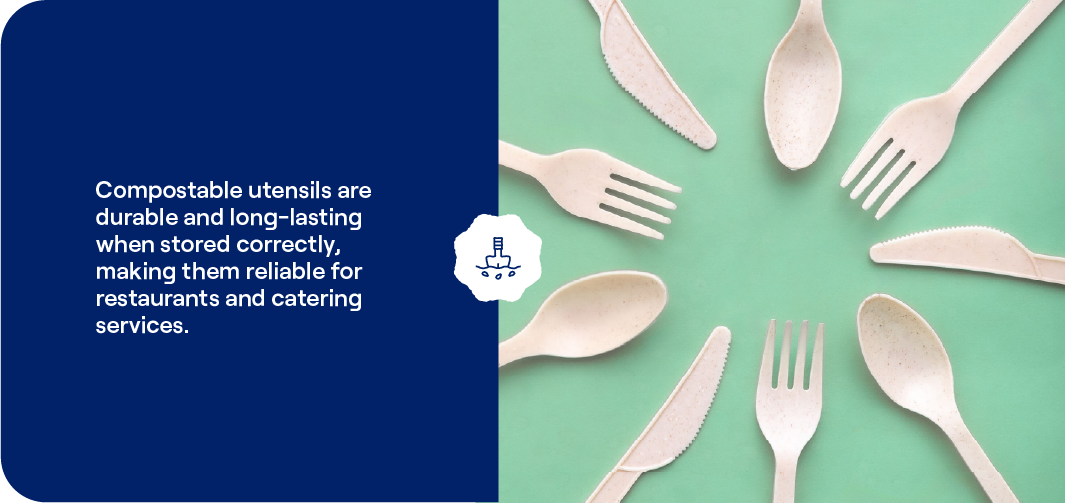
Most compostable utensils last one to two years when stored properly. This means you can order in bulk, stock your back-of-house storage, and trust that your products will perform when you need them. The exact shelf life depends on the material, the storage conditions, and whether the packaging stays sealed.
Different materials have different sensitivities. PLA-based utensils are made from plant-derived polymers. They’re designed to break down under composting conditions, which also makes them more sensitive to heat over time. Fiber-based products like those made from sugarcane bagasse hold up well but can absorb moisture if their packaging gets damaged. Agave-based compounds follow a similar shelf life range to PLA products.
Here’s what you can expect by material type:
- PLA-based utensils: One to two years in sealed packaging stored at room temperature. More vulnerable to heat than other compostable materials.
- Fiber-based products (bagasse, molded pulp): One to two years with proper storage. Can soften if packaging is compromised and moisture gets in.
- Agave-based compounds: Similar one to two year shelf life when stored according to guidelines. Our Upcycled Agave Cutlery performs reliably within this window.
The bottom line is that compostable doesn’t mean fragile. These products are engineered to perform during service. They just need the right storage conditions to stay ready for use. If you’re running a restaurant, catering company, or corporate campus, you can confidently stock compostable utensils without worrying about them falling apart in storage.
The key is understanding that shelf life is about storage conditions, not some built-in timer. A case of forks stored in a climate-controlled stockroom will last much longer than the same case left near your kitchen’s steam line. We’ll cover exactly what affects shelf life in the next section.
What Makes Compostable Utensils Break Down?
Heat, humidity, UV exposure, and direct sunlight are the main factors that shorten the shelf life of compostable utensils before you ever use them. These conditions can trigger early material changes that weaken the utensil’s structure, making it brittle, warped, or soft before its time.
Let’s break down each factor so you know what to watch for in your storage setup.
Heat is the biggest concern for PLA-based materials. PLA is designed to break down under composting conditions, which involve sustained high temperatures. When you store PLA-based utensils in warm environments, you’re essentially giving them a head start on that breakdown process. This means areas near ovens, dishwashers, steam tables, or south-facing windows can all cause problems. Even a warehouse without climate control can get warm enough in summer months to affect your inventory.
Humidity softens fiber-based and starch-blended products. Moisture in the air can penetrate compromised packaging and weaken the structure of molded fiber utensils. If you’ve ever noticed fiber plates or bowls feeling slightly soft or flexible, humidity is usually the culprit. This is especially common in kitchens where steam and moisture are constant.
UV light accelerates surface-level material changes. Sunlight from windows or outdoor storage areas can make utensils more prone to cracking or discoloration. Even indirect light exposure over time can affect product quality.
The good news is that all of these factors are within your control. You don’t need special equipment or expensive storage solutions. You just need to be thoughtful about where you keep your inventory. Proper storage eliminates most premature breakdown risks, which brings us to the practical steps you can take.
How to Store Compostable Utensils
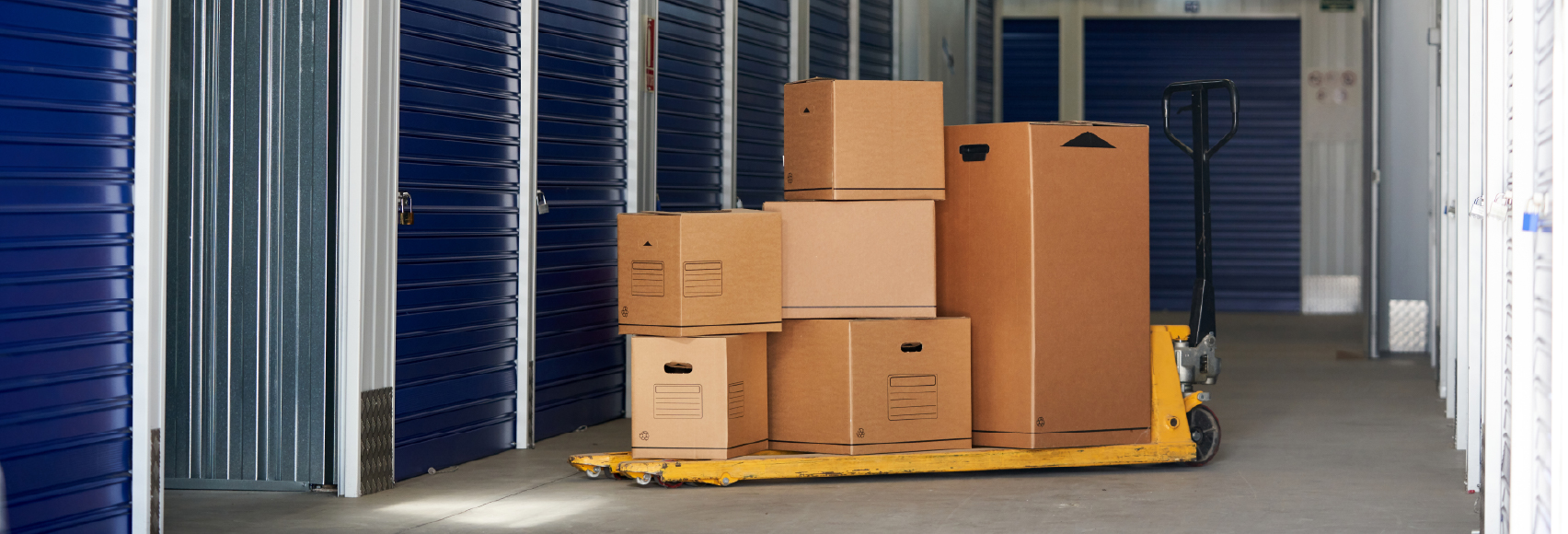
Store compostable utensils in a cool, dry location away from direct sunlight, and keep them in their original packaging until you’re ready to use them. This simple approach protects your inventory and your investment.
Think of compostable utensils like you think about food inventory. You wouldn’t store produce next to a heat source or leave dry goods in a damp basement. The same logic applies here. Your storage environment directly affects how long your products stay usable.
Here are the storage practices we recommend for foodservice operators:
- Keep temperatures moderate: Store utensils in a climate-controlled area whenever possible. Avoid placing them near heat sources like ovens, dishwashers, or south-facing windows. Room temperature is ideal.
- Control humidity: Choose a dry storage space. If your storage area tends to be damp, use shelving that allows airflow rather than stacking boxes directly on the floor.
- Leave packaging sealed: The original packaging is designed to protect the product from moisture and light. Don’t open cases until you need to restock your service area.
- Use first-in, first-out (FIFO) rotation: Place newer inventory behind older stock so you always use the oldest products first. This is the same rotation method you likely use for food, and it works just as well for disposables.
- Keep products off the ground: Elevate storage on shelves or pallets to protect against moisture from floors. This is especially important in kitchens or back-of-house areas where spills happen.
These steps are simple, but they make a real difference. A case of compostable forks stored properly will perform just as well after a year as it did on day one. A case left next to a steam table may not make it through the season.
If you’re working with limited storage space, prioritize keeping products away from heat sources first. That single change has the biggest impact on shelf life for PLA-based materials.
Shelf Life vs. Compost Time for Compostable Utensils
Shelf life and compost time are two completely different measurements. Confusing them is one of the most common misunderstandings in the compostable products space. Once you understand the difference, you’ll be better equipped to manage inventory and communicate disposal instructions to your staff.
Shelf life is how long a utensil stays usable in storage before you serve it. Compost time is how quickly that same utensil breaks down after it enters a composting environment. These two timelines have nothing to do with each other.
A compostable fork can sit on your shelf for over a year and still perform perfectly during a meal. Once that fork enters a composting system, the conditions change entirely. Composting environments introduce heat, moisture, and microbial activity that trigger the breakdown process. On the shelf, those conditions aren’t present, so the product stays stable.
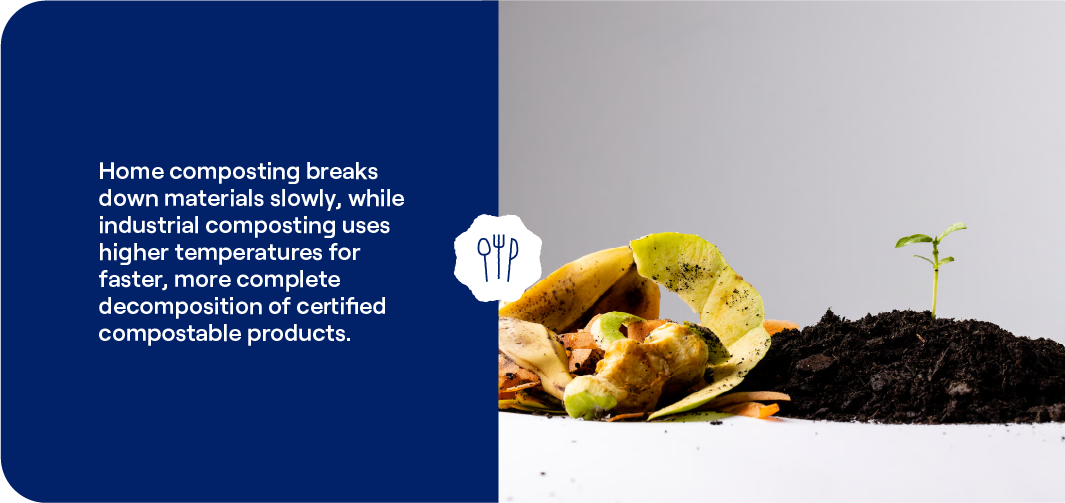
The composting pathway also matters. Not all compostable products break down the same way or in the same type of facility. There are two main composting pathways you need to understand:
- Industrial composting: These facilities maintain high temperatures and controlled conditions that accelerate breakdown. Products certified for industrial composting require this type of facility to fully compost. Our Compostable Upcycled Agave Cutlery carries BPI Commercial Compostability certification, which means it’s designed for industrial composting facilities.
- Home composting: Home compost piles operate at lower, ambient temperatures. Most standard PLA products without enzyme technology cannot break down in home compost conditions because they need the sustained high heat (55–60°C) of an industrial facility. However, some products incorporate enzyme technology during compounding that enables breakdown at ambient temperatures (20–30°C), making them suitable for home composting.
This distinction matters because it affects which products work for your operation. If your waste hauler sends compostable items to an industrial composting facility, products with BPI certification are a strong fit. If you or your customers are composting at home, you need products specifically certified for that pathway.
Our agave-based straws achieve home compostability through an enzyme masterbatch integrated during compounding at 160–190°C, which catalyzes hydrolysis of PLA polymer chains, enabling full biodegradation at ambient temperatures (20–30°C). This is what allows them to carry certification from the world market leader in bioplastics certification, TÜV Austria OK Compost HOME. Our Compostable Upcycled Agave Cutlery does not include the enzyme technology, so it requires industrial composting at 55–60°C, which is why it carries BPI Commercial certification rather than home compost certification.
We’re transparent about this distinction because the FTC Green Guides require that composting claims specify the type of composting infrastructure needed. When you see a product labeled “compostable,” always check whether it’s certified for industrial or home composting. California and Maryland legally require specific certifications for products labeled “home compostable.” That information tells you whether the product actually fits your waste system.
| Product | Shelf Life | Composting Pathway | Certification |
|---|---|---|---|
| Compostable Upcycled Agave Cutlery | One to two years (proper storage) | Industrial composting facility required | BPI Commercial Compostability |
| Agave-Based Straws | One to two years (proper storage) | Home compostable at ambient temperatures | TÜV Austria OK Compost HOME |
Understanding both shelf life and compost time helps you make smarter purchasing decisions. You can stock up with confidence knowing your products will last in storage, and you can choose products that actually work with your local waste infrastructure.
Greenprint Can Help
At Greenprint®, we designed our cutlery lines to give foodservice operators a clear choice based on their actual waste infrastructure. We don’t believe in one-size-fits-all solutions that sound good on paper but don’t match how your waste system actually works.
Our Compostable Upcycled Agave Cutlery line includes heavy-weight forks, knives, and spoons made with Upcycled Agave Fibers. The Agave Fibers come from post-tequila agricultural waste, a raw material with no competing use. This line carries BPI Commercial Compostability certification and third-party verified PFAS-free status, meeting BPI’s 100 ppm total organic fluorine limit, making it a strong fit for operators with access to commercial composting programs.
One practical note: this cutlery is designed for cold and lukewarm meals. It’s ideal for salad bars, delis, catering trays, and grab-and-go setups where food isn’t served hot.
For operators where composting infrastructure isn’t available, our Upcycled Agave (PCR) Cutlery offers a different approach. This line blends post-tequila Agave Fibers with post-consumer recycled plastic, diverting two waste streams in a single product.
It’s important to be clear: the Upcycled Agave (PCR) line is not compostable and does not carry BPI or ASTM D6400 certification. Per FTC Green Guides, we don’t make composting claims for products that aren’t certified compostable. The sustainability value of this line comes from what goes into the product, not from an end-of-life composting claim. It does carry third-party verified PFAS-free status, consistent with our standards across all product lines.
Choosing the right utensil comes down to matching the product to your waste system:
- If you have commercial composting access: Our Compostable Upcycled Agave line gives you a certified, verifiable composting story you can share with customers and auditors.
- If composting isn’t an option: Our Upcycled Agave (PCR) line delivers a meaningful recycled-content story without making claims your operation can’t support.
Either way, you’re replacing conventional plastic with something better. You’re also getting utensils that perform reliably during service, because sustainability shouldn’t mean sacrificing quality.
Explore our store to find the right fit for your operation.


Agave Fiber Composition: What Makes Agave-Based Foodware Work Agave fiber gives compostable foodware its structural backbone. Understanding what’s inside this…

Compostable Certifications in 2026: What’s Changing and Why It Matters for Your Restaurant The rules around compostable packaging are shifting…

Beyond the Label: How to Verify Compostable Cup Claims Choosing compostable cups for your restaurant should be straightforward, but vague…