

Benefits of Using Agricultural Waste in Foodservice


Content
- What Is Agricultural Waste?
- Common Types of Agricultural Waste Used in Products
- Environmental Benefits of Using Agricultural Waste
- Economic and Community Benefits of Agricultural Waste
- Turning Agricultural Waste Into Compostable Foodware
- What to Look For in Products Made From Agricultural Waste
- Frequently Asked Questions
Benefits of Using Agricultural Waste in Foodservice
Every harvest leaves behind plant material that farms no longer need. Most of it gets burned or dumped, but it does not have to. The benefits of using agricultural waste stretch from cleaner farmland to real products you can use. That includes compostable foodware, meaning items that break down into soil under the right conditions. This guide explains what this material is and why it matters for foodservice.
What Is Agricultural Waste?
Agricultural waste is the leftover plant and crop material that farms produce after harvesting or processing food. Think stalks, husks, peels, and fibers that no longer have a food use.
Farms create a steady stream of this material year after year. Once the edible crop is removed, the rest has often been seen as a leftover with no purpose. So it piled up, got burned, or went to a landfill.
That view is changing fast. Companies now turn this material into packaging, paper, and compostable foodware, and this agricultural waste material innovation is reshaping the industry. That shift is the core of the benefits of using agricultural waste. A waste stream becomes a product instead of a problem.
It helps to know the difference between two terms you will see often. Agricultural waste is non-food plant matter, while food waste is edible food that gets thrown away. This article focuses on the plant fiber left after crops are grown and processed.
For foodservice, this material is worth a close look. Restaurants, cafes, and caterers go through a lot of single-use items every day. Products built from crop fiber give operators a smarter option. You can serve food while making better use of a resource that would otherwise be wasted. Government researchers track this material as agricultural biomass and crop residue.
Common Types of Agricultural Waste Used in Products
Many crops leave behind fiber that works well in packaging and foodware. Here are common agricultural waste examples used in products today:
-
Bagasse: the fibrous pulp left after sugarcane is crushed for its juice.
-
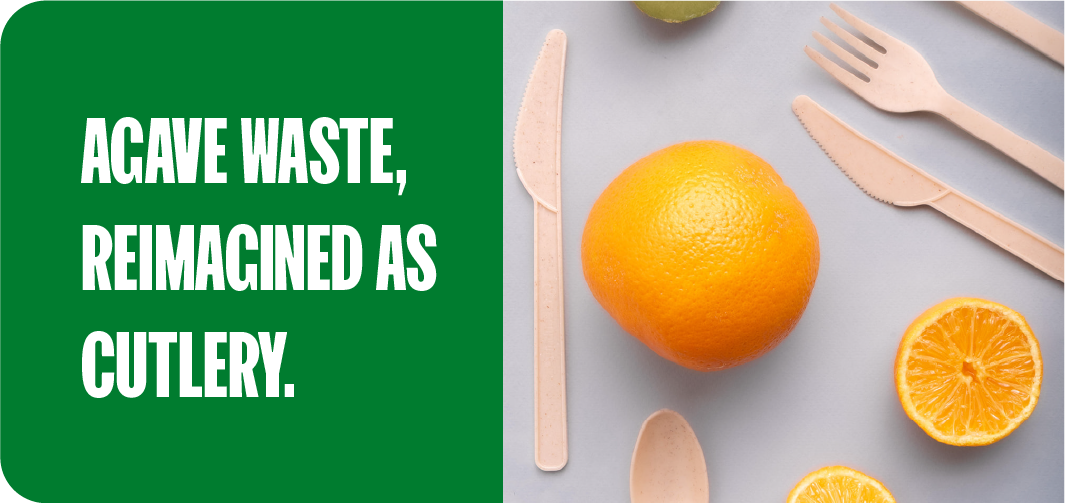
Agave fiber: the plant pulp left after agave is processed into tequila.
-
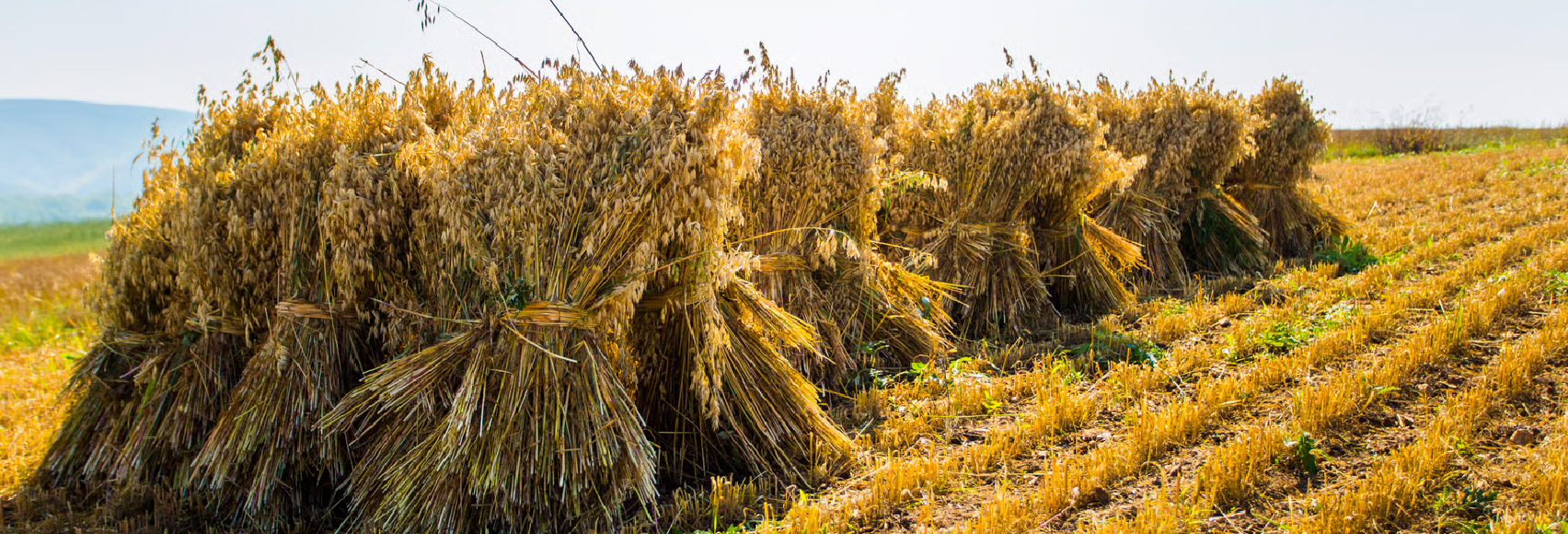
Wheat straw: the dry stalks left in the field after grain is harvested.
-
Corn husks and rice hulls: the outer layers removed during food processing.
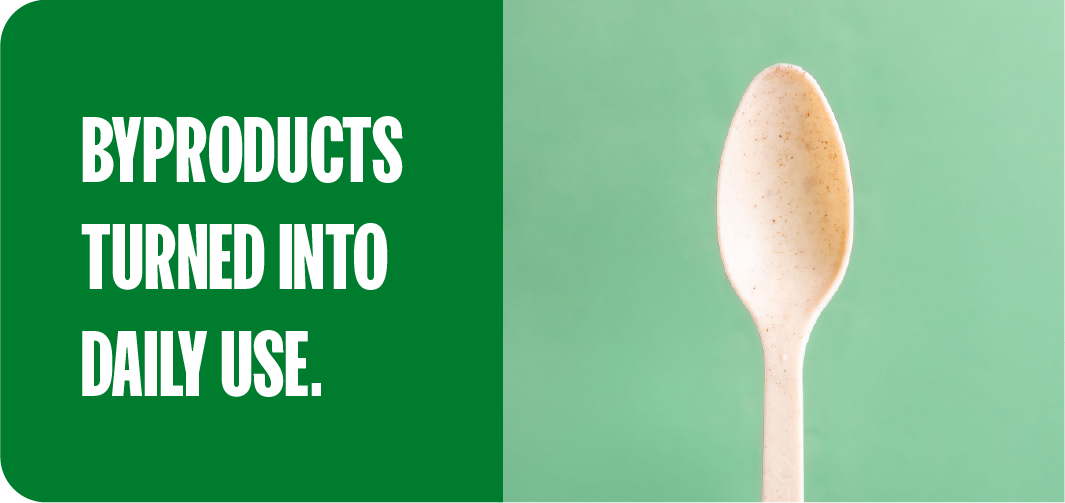
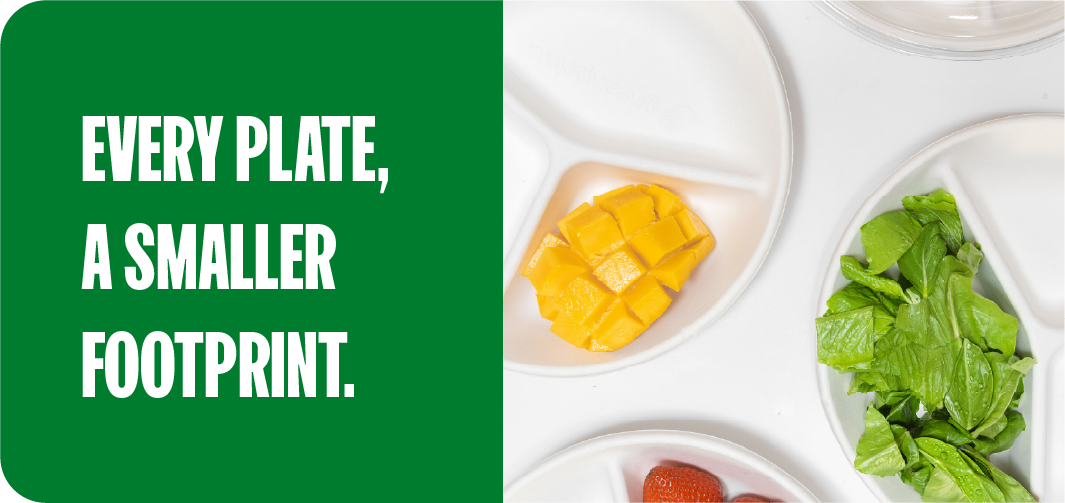
Each of these materials has its own strengths. Bagasse is sturdy and molds well into plates, bowls, and clamshells. Agave fiber blends into a compound that can be shaped into straws and cutlery. Both are examples of upcycled foodservice packaging materials.
Not every waste stream is equal, though. Wheat straw is often used as animal feed, so using it for products can compete with that need. Bagasse and agave fiber stand out here. They are byproducts with fewer competing uses. That makes them easier to source without taking value away from something else.
Where the material comes from matters too. A fiber sourced close to where it is processed avoids long shipping trips. That keeps the supply chain simpler and easier to trace back to its origin, as this look at how bagasse becomes compostable tableware shows.
Environmental Benefits of Using Agricultural Waste
The environmental benefits of using agricultural waste start on the farm. When this material becomes a product, farms have less reason to burn it in open fields. That means less smoke and cleaner air near farming communities, a link the EPA draws between agricultural burning and air quality.
It also keeps plant material out of landfills. Fiber from crops can replace some packaging that would otherwise rely on new fossil-based plastic. You get more use out of material that already exists, and the lifecycle of compostable products shows how that plays out.
This is a circular approach. Instead of a straight line from crop to trash, the material loops back into use. When the finished product is certified compostable, it can return to the soil at the end of its life. That also cuts the landfill methane that organic material produces when it is buried.
There is a waste-disposal benefit too. Food-soiled foodware is hard to recycle, so it often goes to a landfill. A certified compostable version can be composted along with the food scraps stuck to it. That keeps both out of the trash.
Leaning on crop fiber also reduces the pull on new plastic. Conventional foodware is often made from fresh fossil-based material. Choosing products built from a waste stream shifts demand toward something that already exists, which also lowers the carbon footprint of sustainable materials.
Economic and Community Benefits of Agricultural Waste
The benefits reach people, not just fields. Crop waste that once had little value can become new income for the farms that produce it.
Greenprint® sources agave fiber as post-tequila waste from small farming families in Jalisco, Mexico. This waste has no competing use, unlike bamboo that ships long distances or wheat straw that feeds livestock. Buying it creates direct revenue for those families.
That is what a waste-to-value model looks like in practice. A byproduct with no market becomes a reason to pay farming families. The result supports local income while giving the material a second life, an idea rooted in the origins of compostable tableware.
For a business, this story also matters to customers. People want to know where products come from and who benefits. A clear, honest supply chain gives you something real to share, not a vague claim.
Local processing adds another layer of value. When fiber is compounded and made into products near its source, the work stays in that region. Greenprint® also supports education in its community through its partnership with Fundación Zaber in Nuevo León, Mexico.
Turning Agricultural Waste Into Compostable Foodware
A compostable product is one that breaks down into soil-like material under defined conditions, backed by testing. Turning crop fiber into that kind of foodware takes both the right material and the right process.
Greenprint® uses agave fiber in its own compound for straws and cutlery. Its Fiberware™ line uses bagasse, the sugarcane fiber described earlier. These are different materials with different sources, so their compostability is certified separately.
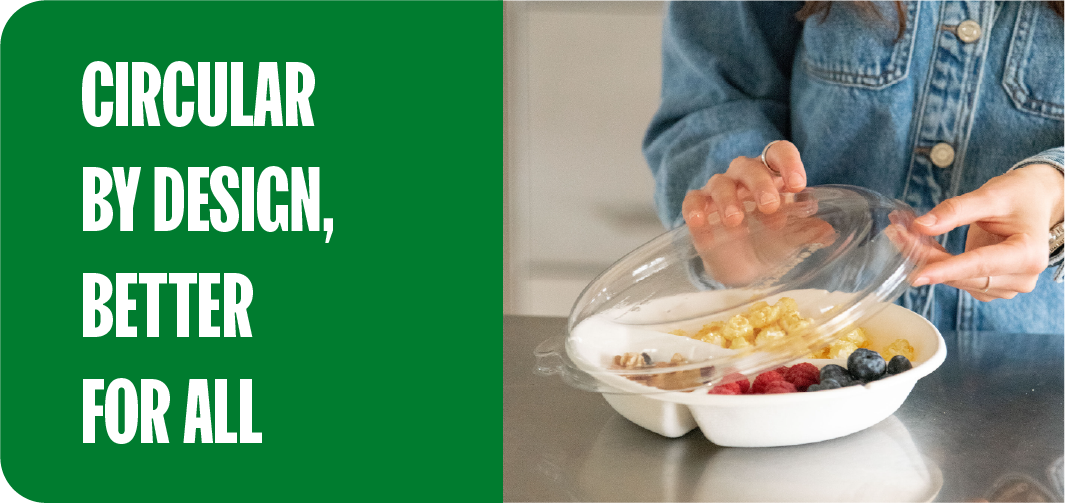
The process shapes the material into everyday items. Agave compound is extruded into straws and molded into cutlery. Bagasse is pressed into plates, bowls, and clamshells that hold up to food. Turning that material into finished goods often relies on industrial composting of organic material at the end of life.
Performance still counts at the table. A straw needs to stay firm in a cold drink, and a plate needs to hold a full meal. The goal is foodware that works as well as what it replaces. It then returns to the soil when its job is done.
Certification is what makes a compostability claim verifiable. Greenprint® agave straws hold TÜV Austria OK Compost HOME certification. That result comes from an enzyme technology in the material, not from the plastic alone. The agave cutlery is BPI Commercial certified for industrial composting, which explains why PLA requires industrial composting, and Fiberware™ holds TÜV Austria OK Compost INDUSTRIAL certification.
That difference matters when you plan for disposal. A home compostable straw can break down in a backyard bin, while industrial items need a commercial composting facility. Knowing which is which helps you match the product to the composting you can actually reach.
Testing supports these claims beyond the compost bin. Greenprint® agave straws and cutlery are third-party tested for PFAS, chemicals you do not want in foodware. That kind of third-party PFAS testing in compostable certifications is what separates a real claim from a slogan.
What to Look For in Products Made From Agricultural Waste
Not every product made from crop fiber is a strong choice. Use this checklist when you compare compostable foodservice packaging, which is packaging made from certified compostable material:
-
Named certifications: look for BPI compostability certification or TÜV Austria, not vague labels.
-
Composting path: check whether the product is home or industrial compostable.
-
PFAS testing: choose products tested for these chemicals by a third party.
-
Material source: favor a waste stream, like agave fiber or bagasse, over new inputs.
Being specific protects you and follows the FTC Green Guides, which ask marketers to tie claims to verifiable benefits. A named certification and a documented test tell you far more than the word “sustainable” printed on a box.
Watch for language that sounds good but says little. A product labeled only as “natural” or “sustainable” gives you nothing to check. Knowing the difference between certified compostable versus recycled content helps you read a label with a sharper eye.
The right questions save you from guesswork. Ask for the certification body, the document, and the test results before you buy. When you are ready to compare options, start with Greenprint®’s certified compostable foodware.
Frequently Asked Questions
What is the difference between agricultural waste and food waste?
Agricultural waste is the non-food plant material left after harvest or processing, such as stalks and fibers. Food waste is edible food that gets thrown away, like scraps and spoiled produce.
Is agave fiber really agricultural waste?
Yes. Agave fiber is the plant pulp left over after agave is processed into tequila. It has no competing food or feed use.
Can products made from agricultural waste be composted at home?
Only some can, and only when certified for it. Greenprint® agave straws hold TÜV Austria OK Compost HOME certification, while the agave cutlery needs industrial composting even without local access.
Does using agricultural waste help reduce landfill methane?
It can. When certified compostable products are composted instead of landfilled, they avoid the oxygen-starved breakdown that produces methane in landfills.
References
- https://www.climatehubs.usda.gov/hubs/northwest/topic/agricultural-biomass-biofuel
- https://www.epa.gov/agriculture/agriculture-and-air-quality
- https://www.epa.gov/lmop/basic-information-about-landfill-gas
- https://www.epa.gov/sustainable-management-food/reducing-impact-wasted-food-feeding-soil-and-composting
- https://bpiworld.org/certification
- https://www.ftc.gov/news-events/topics/truth-advertising/green-guides


Nanoplastics vs. microplastics comes down to size. Learn how they differ, why researchers worry more about nanoplastics, and simple ways to reduce exposure.
Earth Day facts that show the scale of the environmental crisis, from plastic and landfill waste to CO2 and wildlife loss. See what the numbers mean for you.

Minnesota plastic ban rules for businesses, including city bag fees, Green To Go takeout packaging, PFAS limits, compostable labels, and EPR dates to plan for.