

Wholesale Compostable Cutlery Kits: Buyer’s Guide



Wholesale Compostable Cutlery Kits: A Buyer’s Guide
Sourcing wholesale compostable cutlery kits for your foodservice operation means balancing material choice, certification, and disposal logistics. This guide covers what bulk buyers need to know: how different materials perform, which certifications actually matter, and how to match kits to your service format. We’ll also cover procurement factors like count-per-case, wrapping options, and how to verify supplier claims.
What Are Compostable Cutlery Kits?
A compostable cutlery kit bundles a fork, knife, spoon, and often a napkin into a single wrapped setting. The kit format simplifies service and reduces handling. Caterers, food trucks, corporate cafeterias, quick-service restaurants, event venues, and foodservice distributors buy them in case quantities to replace single-use compostable forks and utensils.
For bulk buyers, the key decision isn’t just compostable versus recyclable materials. You need to match the kit’s material to your menu, confirm the certification matches your disposal path, and verify that your customers or guests actually have access to composting infrastructure. Getting these factors right keeps you compliant with FTC Green Guide requirements for sustainability claims and avoids waste ending up in landfill anyway.
The business case is straightforward. Municipalities and states are increasingly restricting single-use plastics in foodservice. Customers expect sustainable options, and many actively seek out operators who can demonstrate real commitments. Brands that can document their environmental claims build trust with guests and venue partners alike. But claims need to be specific and verifiable. That’s where material choice and certification come in.
Compostable Cutlery Materials Compared
Most compostable cutlery kits fall into three material categories. Each has tradeoffs in durability, heat tolerance, and end-of-life requirements. Understanding what compostable cutlery is made of helps you match products to your service needs.
| Material | Best For | Notes |
|---|---|---|
| CPLA (crystallized PLA) | Hot foods, soups, entrees | Rigid and heat-stable; requires industrial composting. |
| Plant Fiber | Light to medium foods | Made from sugarcane, wheat, or bamboo pulp; varies by supplier. |
| Wood/Bamboo | Cold and ambient foods | Natural feel; home compostable in most cases. |
CPLA is a bioplastic made from plant starches, typically corn. The crystallization process makes it more rigid and heat-stable than standard PLA. This makes CPLA a common choice for hot meal service. However, CPLA requires industrial composting facilities to break down properly. It won’t decompose in a backyard bin or a landfill.
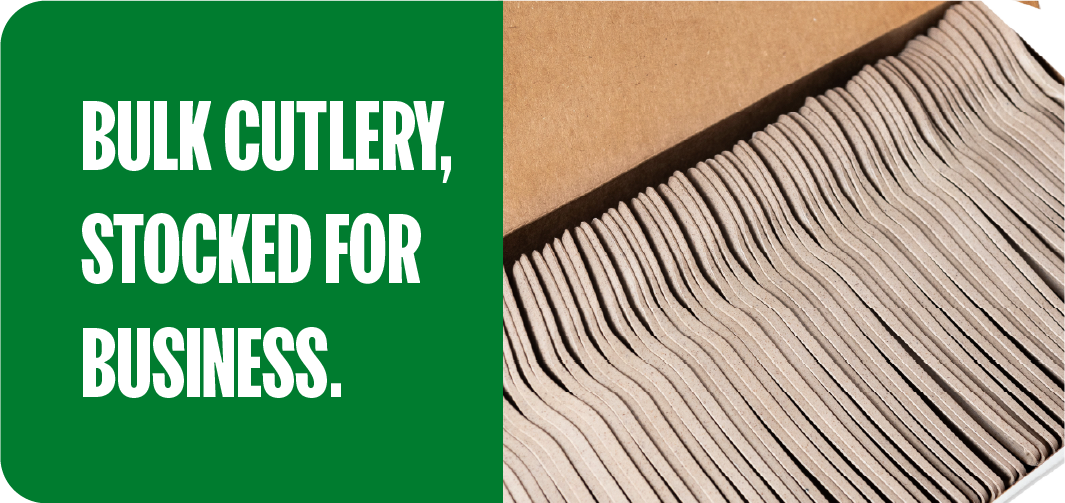
Plant fiber cutlery uses compressed pulp from sugarcane bagasse, wheat straw, or bamboo. Performance varies by formulation and supplier. Some fiber cutlery handles moisture well; others get soft quickly. Always test samples before committing to a large order.
Wood and bamboo offer a straightforward, natural option. They work well for cold applications like salads, fruit cups, and desserts. Most wood cutlery is home compostable, which matters if your customers don’t have access to industrial facilities.
Greenprint® takes a different approach with our Compostable Upcycled Agave Cutlery. We use a proprietary compound that blends agave fiber with PLA. Agave fiber comes from post-tequila agricultural waste sourced from farming families in Jalisco, Mexico. This creates a durable utensil with a lower material footprint than standard CPLA. Our agave cutlery is made for cold and lukewarm foods, and it cannot withstand hot temperatures above 95°F.
For a deeper look at how compostable materials compare, see our full guide on compostable food packaging materials.
Home Compostable vs. Industrial Compostable Cutlery
This distinction matters for buyers because it determines where the cutlery can actually break down. Most CPLA and PLA-based cutlery requires industrial composting facilities that maintain sustained high temperatures. Standard PLA won’t decompose in a backyard bin at ambient temperatures, which is why PLA needs industrial composting.
Home compostable cutlery breaks down in backyard compost piles at lower temperatures. Wood and bamboo typically meet this standard. Products certified TÜV Austria OK Compost HOME have been tested and verified to decompose in home compost conditions.
Industrial compostable cutlery requires facilities that maintain controlled heat, moisture, and aeration. Certifications like BPI Commercial Compostability certification and the ASTM D6400 compostability standard indicate a product meets requirements for industrial facilities. These facilities are available in some metro areas but not everywhere. Before placing large orders, verify composting access for your customers’ locations.
Greenprint® Compostable Agave Cutlery holds BPI Commercial Compostability certification and requires an industrial composting facility. It does not hold TÜV HOME certification. This is an accurate disclosure per FTC Green Guide requirements. If your customers lack access to commercial composting, home compostable cutlery alternatives like wood or bamboo may be a better fit for your operation.
For more detail on certification types and what they mean, see our composting certifications explained guide.

How to Choose Wholesale Compostable Cutlery Kits
Match the kit to your food type, your customers’ disposal access, and your service format when ordering compostable cutlery bulk.
Heat Resistance and Food Type
CPLA handles hot foods well. If you’re serving soups, stews, curries, or hot entrees, CPLA-based kits are your primary option. The material stays rigid under heat and won’t warp or bend during use. Wood and bamboo work for cold or room-temperature items like salads, fruit cups, grain bowls, or charcuterie boards. Using the wrong material for the wrong food leads to warped or softened utensils and a poor guest experience.
For catering operations that serve both hot and cold dishes, you may need to stock two kit types. Consider your menu mix before committing to a single material.
Certification and Disposal Path
Before you commit to compostable cutlery bulk orders, confirm two things. First, verify the product carries a named certification such as BPI, ASTM D6400, or TÜV Austria. Look for documentation, not just logos. Second, verify that your end customers actually have access to composting infrastructure. A compostable fork that goes to landfill offers no environmental benefit over conventional plastic.
The FTC Green Guide environmental marketing rules require that compostability claims be accurate and substantiated, including disclosure of facility requirements. Making unqualified “compostable” claims when industrial facilities aren’t available to your customers can expose you to regulatory risk and erode customer trust.
For guidance on spotting greenwashing and evaluating supplier claims, see our article on how to identify misleading sustainability claims.
Wrapping and Sanitation
Individually wrapped compostable utensils make sense for high-volume, grab-and-go, or catered events. Each kit arrives sealed with fork, knife, spoon, and napkin together. This simplifies portion control, reduces handling by staff, and meets hygiene expectations for on-the-go service.
Wrapped kits often cost slightly more per piece than loose utensils. But they save labor, reduce waste from loose items that get dropped or contaminated, and present better for customers. For catering and event service, wrapped kits also simplify setup and portioning.
Unwrapped bulk cutlery works for cafeteria-style or buffet service where utensils are dispensed from containers. Consider your service format when deciding between wrapped and unwrapped options.

Bulk and Wholesale Buying Considerations
Buying compostable cutlery wholesale means thinking beyond unit price. These factors matter at scale for foodservice operators and distributors.
Count-per-case and cost-per-piece. Wholesale cases are typically sold in fixed kit counts. Calculate cost-per-piece to compare suppliers accurately. Factor in shipping weight, especially for heavier fiber or wood options. A lower per-piece price doesn’t help if freight costs wipe out the savings.
Storage and shelf life. Most compostable cutlery stores well in cool, dry conditions. PLA-based materials can warp in high heat or direct sunlight, so avoid storing cases near ovens, heating vents, or south-facing windows. Wood and bamboo are more temperature-stable. Plan your storage accordingly, especially if you’re buying large quantities that will sit for weeks or months.
Custom branding. Some suppliers offer branded sleeves, custom-printed napkins, or logo placement for larger orders. This can reinforce your sustainability message at the table. Minimum order quantities typically apply, so plan ahead if you want custom packaging for an event or venue rollout.
Consistent supply. For foodservice operators, stockouts mean scrambling for substitutes. Work with a supplier that maintains steady inventory and can scale with your demand. Ask about lead times, reorder thresholds, and backup options. Distributors should evaluate supplier production capacity and supply chain reliability before committing to long-term agreements. Buyers should also confirm their region has the industrial composting infrastructure to handle certified products.
For more on storage specifics, see our shelf-life of compostable utensils guidance.
Compostable Cutlery Kits From Greenprint®
Greenprint® offers a vertically integrated approach to compostable cutlery kits wholesale. We control the entire production stack: agave fiber sourcing from farming families in Jalisco, Mexico, in-house compounding at our Santa Catarina facility, and injection molding for finished cutlery. Our Upcycled Agave Cutlery uses a proprietary agave-PLA compound made for cold and lukewarm service. It cannot withstand hot temperatures above 95°F, so pair it with cold and ambient menu items.
Certifications matter, and we back ours with documentation. Our Compostable Agave Cutlery holds BPI Commercial Compostability certification, meeting ASTM D6400 standards for industrial composting. Every batch is third-party tested and verified PFAS-free at less than 100 ppm Total Organic Fluorine. For more on PFAS testing protocols, see our PFAS testing in compostable materials guide.
We work directly with foodservice distributors, hospitality groups, and high-volume caterers who need reliable supply and defensible sustainability claims. Our production capacity supports consistent restocking, and our team can help you document claims for your own customers and venues.
Ready to source sustainable cutlery at scale? Explore our BPI-certified compostable agave cutlery.
Frequently Asked Questions
What Is Compostable Cutlery Made Of?
Most compostable cutlery uses CPLA (a processed plant-based bioplastic), plant fiber from sugarcane or wheat, or natural wood and bamboo. Greenprint® uses an Upcycled Agave compound that blends agave fiber with PLA for durability. It is made for cold and lukewarm foods and cannot withstand hot temperatures above 95°F.
Are Compostable Forks and Spoons Strong Enough for Hot Foods?
CPLA-based cutlery handles hot foods well and maintains rigidity during use. Wood and bamboo suit cold or ambient-temperature items like salads and desserts. Match the material to your menu.
How Do You Dispose of Compostable Cutlery Kits?
Most compostable cutlery requires an industrial composting facility that maintains sustained heat. Check the product’s certification to confirm requirements, and review certified home compostable disposal practices where applicable. If industrial composting isn’t available in your area, see our commercial composting guide for alternatives.
References
- https://cdn.airops.com/rails/active_storage/blobs/proxy/eyJfcmFpbHMiOnsiZGF0YSI6NTI4MTk5ODA2LCJwdXIiOiJibG9iX2lkIn19--55f5ee1a54e00477c5050e2ea0be0dc232db0263/63_Wholesale-bulk%20compostable%20cutlery%20kits_3.png
- https://bpiworld.org/compostability-certification
- https://store.astm.org/d6400-21.html
- https://cdn.airops.com/rails/active_storage/blobs/proxy/eyJfcmFpbHMiOnsiZGF0YSI6NTI4MTk5ODEyLCJwdXIiOiJibG9iX2lkIn19--d46441e55c9b0243cf805dea500fd06d3fc56059/63_Wholesale-bulk%20compostable%20cutlery%20kits_4.png
- https://www.ftc.gov/news-events/topics/truth-advertising/green-guides
- https://cdn.airops.com/rails/active_storage/blobs/proxy/eyJfcmFpbHMiOnsiZGF0YSI6NTI4MTk5NzkxLCJwdXIiOiJibG9iX2lkIn19--9390b365409084f0eae2241d96d6d211dd61fba4/63_Wholesale-bulk%20compostable%20cutlery%20kits_1.png
- https://www.epa.gov/sustainable-management-food/composting
- https://cdn.airops.com/rails/active_storage/blobs/proxy/eyJfcmFpbHMiOnsiZGF0YSI6NTI4MTk5ODA4LCJwdXIiOiJibG9iX2lkIn19--f5f1caad7398ecc48fa9f2f98f7f8f7ae87ac709/63_Wholesale-bulk%20compostable%20cutlery%20kits.png
- https://bpiworld.org/how-to-compost-certified-compostable-products-at-home


Massachusetts plastic ban rules vary by town. See which single-use plastics are restricted, how paper bag fees work, and how your business can comply.
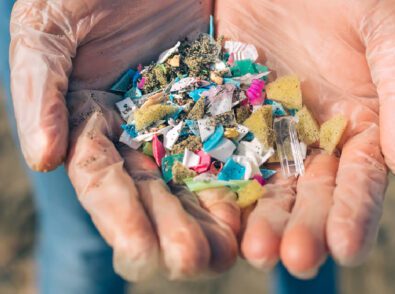
Learn how to avoid microplastics with easy swaps for your water, food, and kitchen, plus certified compostable foodware that cuts plastic in the waste stream.

Many meaningless eco certifications are just marketing. Learn the three signs of a real, third-party certification and how to verify one before you trust it.