

Is BPA-Free Plastic Safer Than Regular Plastic?


BPA-Free Plastic: Is It Actually Safer Than Regular Plastic?
BPA-free plastic is not automatically safer than regular plastic. Many BPA-free products simply swap in related chemicals that behave in similar ways. This guide explains what the label means, what the research says, and which materials sidestep the question. We sell foodservice packaging, so we care about getting this right for you.
What Does “BPA-Free” Actually Mean?
A “BPA-free” label means one thing: the product contains no Bisphenol A. It does not promise the product is free of every similar chemical.
BPA is a building block used to make some hard plastics and metal can linings. It belongs to a larger family of plastics and bioplastics called bisphenols. A “BPA-free” claim covers that single chemical, not the whole family.
For years, BPA turned up in water bottles, food storage containers, and register receipts. Public concern grew, and brands began printing “BPA-free” on their packaging. The label became a quick signal of safety, whether or not it earned that trust.
So the label tells you what was left out. It does not tell you what went in instead. That gap is where most of the confusion starts.
Think of it like a “nut-free” snack that still contains other allergens. The claim is true, but narrow. You still need to read the rest of the label.
Why BPA Raised Health Concerns in the First Place
BPA drew scrutiny because it can act like estrogen inside the body. Scientists study it as an endocrine disruptor, which means it may interfere with hormones.
The US Food and Drug Administration (FDA) considers BPA safe at the low levels found in food contact today. The agency keeps reviewing new studies as they arrive. Other researchers still raise concerns, so the evidence stays mixed.
Endocrine disruptors are hard to study because timing and dose both matter. Effects that show up in the lab do not always translate cleanly to people. This is why careful scientists hedge instead of giving a flat yes or no.
Views on BPA have shifted over the years as new studies appear. That ongoing back-and-forth is a fair sign the science is still moving.
We won’t pretend to settle that debate. The honest takeaway is simple: BPA is studied closely, and reasonable experts disagree about low-dose effects.
Are BPA-Free Plastics Really Safer?
A BPA-free label alone does not guarantee a safer plastic. Manufacturers often replace BPA with related bisphenols such as BPS or BPF.
Research suggests these substitutes can behave much like BPA, including estrogen-mimicking activity. Removing one bisphenol can quietly add another. That research is still developing, so treat “BPA-free” as an incomplete promise.
The problem is the whole chemical family, not one member of it. BPS and BPF share a similar structure with BPA. When studies compare them, the substitutes do not look reliably safer.
The FTC Green Guide warns that “free-of” claims can mislead when a similar substance replaces the original. A label that highlights one missing chemical can hide the ones that took its place. So a BPA-free badge tells you less than it seems to.
This does not mean every BPA-free product is risky. It means the label alone cannot answer the safety question. To judge a product, you also need to know the base material, look for named third-party certifications, and consider how you will use it.
How Heat, Wear, and Time Affect Any Plastic
Heat, scratching, repeated washing, and age can all raise how much chemical migrates out of plastic. This holds true for regular plastic and BPA-free plastic alike.
Microwaving softens plastic and speeds migration into food. Dishwashers combine heat and strong detergent, which wears surfaces down over time. Scratches and cloudiness are signs the surface is breaking apart.
A worn or cloudy container is more likely to shed chemicals than a new one. Reheating leftovers in plastic combines two risks at once: heat and repeated wear. Hot liquids in a plastic cup can also shed microplastics into hot drinks.
This is the real “versus regular plastic” nuance. A brand-new BPA-free container and a scratched old one are not equal. Condition and use often matter more than the label on the bottom.
Here is the practical guidance. Avoid microwaving or dishwashing plastic food containers. For hot food and drinks, glass or stainless steel is a steadier choice.
How to Read Plastic Recycling Codes 1 Through 7
The number inside the recycling triangle tells you which resin a product uses. Two codes, 3 and 7, are the ones most linked to BPA. Codes 1, 2, 4, and 5 are generally not a BPA concern, though wear and heat still apply to them.
Resin Code | Common Use | BPA Concern |
|---|---|---|
1 (PET) | Water and soda bottles. | Generally not a BPA concern. |
2 (HDPE) | Milk jugs and detergent bottles. | Generally not a BPA concern. |
3 (PVC) | Cling film and some packaging. | Can carry BPA and additive concerns. |
4 (LDPE) | Bread bags and squeeze bottles. | Generally not a BPA concern. |
5 (PP) | Yogurt tubs and straws. | Generally not a BPA concern. |
6 (PS) | Foam cups and takeout trays. | Not a typical BPA source. |
7 (Other) | Polycarbonate and mixed plastics. | Can contain BPA; watch this code. |
This is a quick reference, not the full story. A code also does not tell you if a plastic is recyclable, and whether PLA is recyclable depends on local facilities. Our separate Greenprint® guide to understanding plastic disposal breaks down each code in detail.
Safer Alternatives to Both BPA and BPA-Free Plastic
The most dependable way to sidestep the bisphenol question is to move away from plastic food contact where practical. Glass, stainless steel, and certified compostable fiber or agave foodware all skip the additive debate entirely. If a material is not a plastic, the BPA-versus-BPA-free debate does not apply to it.
For home use, glass and stainless steel are easy swaps for storage and drinks. For a restaurant or cafe, single-use is often the reality, so plastic alternatives for restaurants matter even more. That is where certified compostable foodware comes in.
Greenprint makes certified compostable foodservice packaging as a plastic alternative. Our lines carry named third-party certifications, not vague or unqualified claims. Certifications matter because they are checked by an outside body rather than declared by us. Under the FTC Green Guide, a specific certified claim is far stronger than a broad label.
-
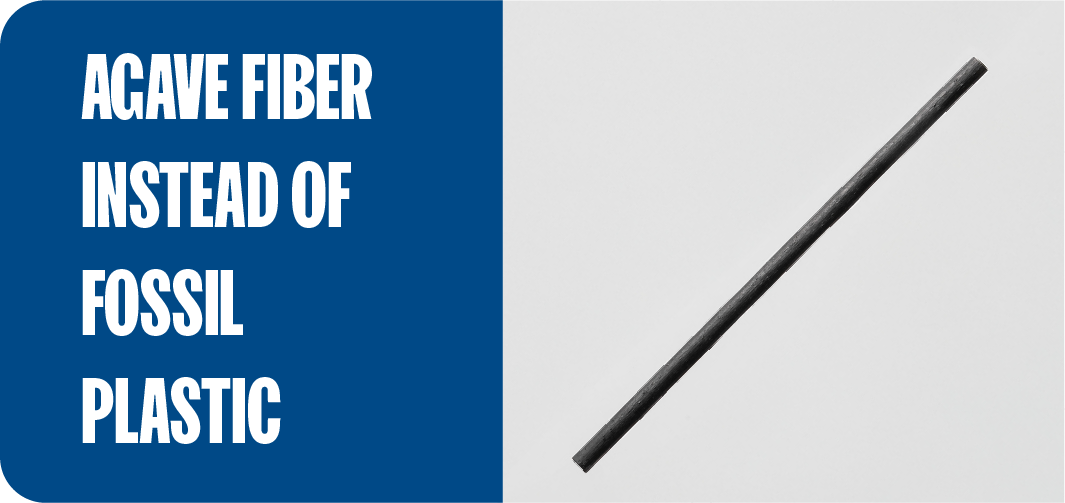
Our Agave Fibers straws are certified under TÜV Austria OK Compost HOME and BPI Commercial Compostability.
-
Our Compostable Agave cutlery is certified under BPI Commercial Compostability and needs industrial composting.
-
Fiberware™, our bagasse line, is certified under TÜV Austria OK Compost INDUSTRIAL.
-
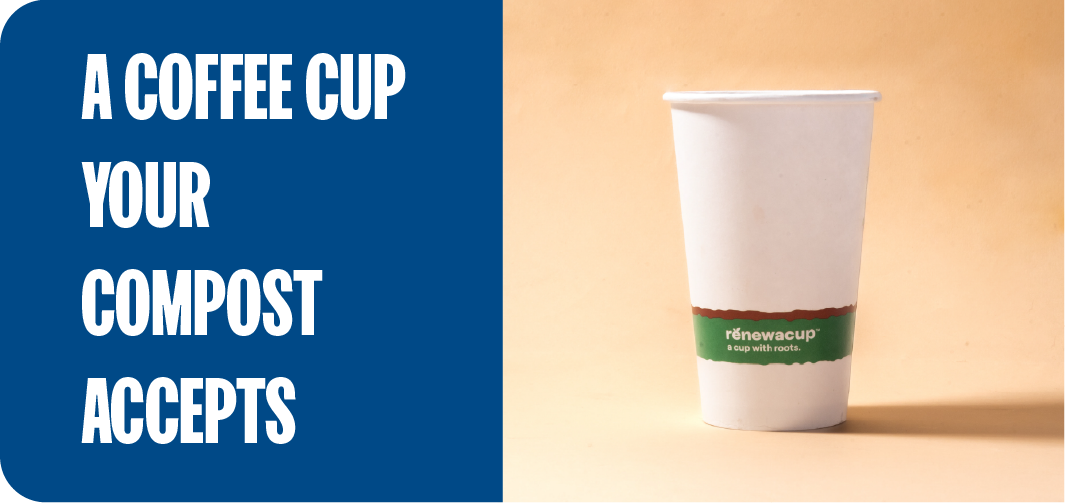
Clearly Compostable™, our cold cups, are certified under TÜV Austria OK Compost INDUSTRIAL.
Our agave straws reach home compostability because an enzyme masterbatch catalyzes PLA hydrolysis at ambient temperatures. Standard PLA and our Compostable Agave cutlery still need industrial composting. So don’t assume every plant-based plastic breaks down at home.
This detail matters when you plan disposal for a venue or a household. Home-certified items suit backyard or curbside compost programs. Industrial-certified items need a commercial composting facility to break down as intended. Matching the product to your local composting access is the practical step that makes the switch work.
Our fiber lines are third-party verified as PFAS-free, not self-declared. Note that Fiberware™ is made from bagasse, and our cups are not made from the agave compound. Compostable and recyclable are also not the same thing, and our guides cover that difference.
We don’t claim these products are healthier for your body. We frame them as certified compostable alternatives that avoid the plastic-additive question, in line with the FTC Green Guide. To compare options for your restaurant or operation, browse our certified compostable foodservice packaging built for real foodservice needs.
Frequently Asked Questions
Is BPA-Free Plastic Safe to Microwave or Use With Hot Liquids?
Heat raises the chance that chemicals migrate from any plastic, BPA-free included. For hot food and drinks, glass or stainless steel is the safer choice.
Does BPA-Free Plastic Still Contain Microplastics?
Any plastic can shed microplastics as it wears, scratches, and ages, and BPA-free plastic is no exception. Our separate Greenprint guide on how to avoid microplastics covers this in more detail.
Is BPA-Free Plastic Safe for Babies and Children?
US baby bottles and sippy cups have been made without BPA since US regulators phased it out of those products. Caution about bisphenol substitutes still applies, and health agencies offer guidance on using plastics wisely for children.
Should I Throw Out Older Plastic Food Containers?
Replacing scratched, cloudy, or aged containers lowers leaching, since worn plastic migrates more. Glass and stainless steel last longer and skip the bisphenol question.
References
- https://www.niehs.nih.gov/health/topics/agents/sya-bpa
- https://www.fda.gov/food/food-packaging-other-substances-come-contact-food-information-consumers/bisphenol-bpa-use-food-contact-application
- https://pmc.ncbi.nlm.nih.gov/articles/PMC10256647/
- https://www.ftc.gov/news-events/topics/truth-advertising/green-guides
- https://en.tuv.at/ok-compost-home-en/
- https://bpiworld.org/
- https://pmc.ncbi.nlm.nih.gov/articles/PMC7071457/
- https://doh.wa.gov/you-and-your-family/infants-children-and-teens-links-and-services/protect-kids-toxic-chemicals/use-plastics-wisely

Nanoplastics vs. microplastics comes down to size. Learn how they differ, why researchers worry more about nanoplastics, and simple ways to reduce exposure.
Earth Day facts that show the scale of the environmental crisis, from plastic and landfill waste to CO2 and wildlife loss. See what the numbers mean for you.

Minnesota plastic ban rules for businesses, including city bag fees, Green To Go takeout packaging, PFAS limits, compostable labels, and EPR dates to plan for.