

Food Expiration Dates: What Best By, Use By, Sell By Mean
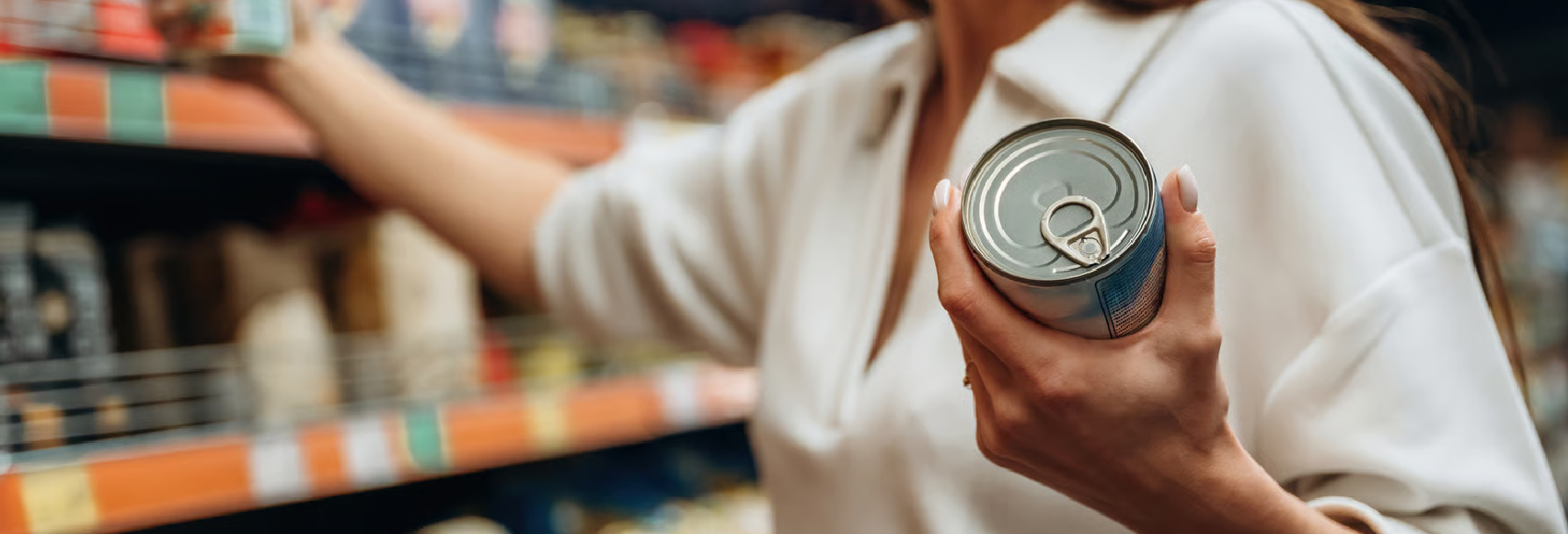


Food Expiration Dates Explained: Best By, Use By, and Sell By
Most food expiration dates tell you about quality, and manufacturers choose them. Infant formula is the only food with a federally required use-by date. This guide decodes each common label, so you know what to keep, cook, or toss.
Are Food Expiration Dates About Safety or Quality?
Food expiration dates are almost always about quality. The USDA food product dating guidance from the Food Safety and Inspection Service (FSIS) says manufacturers add dates voluntarily. Except for infant formula, a date on a package does not mean the food turns unsafe that day.
Most of these dates are a type of open dating. Open dating is a calendar date printed on the package by the manufacturer or the store. It tells you how long the product will be at its best, and it helps the store manage stock.
You may also see closed dating, also called coded dating. Closed dating is a string of letters and numbers, often found on shelf-stable cans and boxes. Manufacturers use these codes to track products and find them quickly during a recall.
Closed dates aren’t meant for you to read like a calendar. If a can only has a code, judge it by its condition and how you’ve stored it.
Keep these core food expiration dates guidelines in mind:
-
Most dates show peak quality, as set by the manufacturer.
-
Infant formula is the only food with a federally required use-by date.
-
Food can still be safe after its date if you store and handle it properly.
-
Food can be unsafe before its date if someone mishandles it.
What Do Best By, Use By, and Sell By Mean?
Each phrase speaks to a different reader. Best by and use by speak to you, while sell by speaks to the store.
Knowing best by vs use by vs sell by helps you avoid tossing food that is still good. The table below compares all three labels.
Label | Who It’s For | What It Tells You | Is It a Safety Date? |
|---|---|---|---|
Best If Used By/Before | Shoppers and home cooks | When flavor and quality peak | No |
Use By | Shoppers and home cooks | Last recommended day for peak quality | Only on infant formula |
Sell By | Stores and retailers | How long to display the product for sale | No |
You might also spot a “Freeze By” date. It tells you when to freeze a product to keep its peak quality.
What Does Best By Mean?
A “Best if Used By” or “Best Before” date shows when a product will taste its best. It is not a purchase date or a safety date. After it passes, food may lose some taste or texture but can still be safe to eat.
FSIS recommends the phrase “Best if Used By” on food labels. The agency chose this wording to reduce consumer confusion and food waste. The FDA guidance on date labels offers more tips on reading these phrases.
When you compare best by vs use by, the meanings are close. Both point to quality, and neither marks the moment most foods turn unsafe.
Picture a box of crackers a little past its best-by date. The crackers may taste stale, but they are usually still safe if the box is intact and stored well.
What Does Use By Mean?
A “Use By” date is the last date the manufacturer recommends for using a product at peak quality. In the US, it is not a safety date for most foods. The exception is infant formula, which you should always use by the printed date.
When you buy formula, check the use-by date on the label. Using formula by that date makes sure it contains the nutrients the label lists.
You may also see the words “best before” or “expiry” on some labels. The best before date vs expiry date question can feel confusing, since “expiry” sounds final. On US foods, these dates still describe quality as set by the manufacturer.
If you run a restaurant or café, treat use-by dates as a quality checkpoint. Then check each item for spoilage before you serve it.
What Does Sell By Mean?
A “Sell By” date tells the store how long to display a product for sale. Stores use it to rotate stock and manage inventory. It is not a safety date, and you don’t need to use the food by that day.
Food is still usable after the sell-by date when you store it well. Keep cold foods cold, check for spoilage, and cook or freeze fresh items soon after you buy them.
Buying a product near its sell-by date is fine. The date helps the store manage its shelves, and you still have time to use the product at home.
For foodservice operators, sell-by dates also help with stock rotation in your own kitchen. Place newer stock behind older stock, so items get used in order. Good rotation is a simple step toward restaurant food waste reduction.
Does Federal Law Require Expiration Dates on Food?
Infant formula is the only food with a federally required use-by date. The FDA requires it, so formula contains the nutrients listed on the label. For most other foods, dating is voluntary, though USDA requires pack dates on some poultry and canned products.
Manufacturers decide whether to add a date and which phrase to use, so wordings vary. FSIS published a federal food date labeling notice requesting information on date labeling. That request gathers public input and does not set a new rule.
Some states set their own date labeling rules, and eggs are a common example. FSIS notes that state egg laws may require carton dates, even though federal rules don’t.
Because rules vary by state, the same product can carry different labels in different places. If you run a business, check your state’s rules for the products you sell.
For you as a shopper, a printed date is the manufacturer’s quality estimate. A missing date isn’t a warning sign on its own, except on infant formula. For foodservice operators, careful receiving, storage, and handling are the real safeguards.
How Can You Tell if Food Is Still Safe to Eat?
Your senses and your storage habits tell you more than the date does. The same USDA dating guidance says food stored properly at home should stay safe and wholesome after its date. That holds until spoilage is evident, such as an off odor, flavor, or texture.
Watch for these spoilage signs:
-
An off odor.
-
An off flavor.
-
An off texture.
-
Dented, rusted, or swollen cans.
A common question is: what foods can you not eat after the expiration date? Infant formula is the main one, because its use-by date protects nutrient levels. For other foods, spoilage and handling matter more than the printed date.
Safe storage helps extend shelf life after expiration date. The FDA advises keeping your refrigerator at 40°F or below and your freezer at 0°F.
Food kept frozen at 0°F stays safe, though taste and texture can decline over time. The USDA freezing and food safety page covers freezing tips in more detail.
Handling matters as much as storage. The same FSIS guidance says mishandled food can become unsafe even before its date. A simple habit: cook or freeze fresh meat soon after purchase, and check the FoodKeeper storage app for guidance.
Covered containers help you store leftovers and prepped food in the fridge. For takeout and meal prep, compare compostable leftover containers and lidded compostable salad bowls.
Use this quick check before you toss food with a passed date:
-
Read the label phrase to see if it marks quality or a store date.
-
Inspect cans for dents, rust, or swelling.
-
Smell the food and check its texture for changes.
-
Look up the item in the USDA FoodKeeper App if you still aren’t sure.
In a commercial kitchen, build these checks into daily routines. Train staff to smell, look, and feel before they prep, and to set aside dented, rusted, or swollen cans. If an item has spoiled, check our compostable food scraps list before it goes in the trash.
How Do Date Labels Lead to Food Waste?
Date label confusion leads people and retailers to throw away wholesome food. When you read “use by” as “unsafe after,” good food ends up in the trash. Learn how landfills create methane from wasted groceries in our separate guide.
Reading labels correctly is the first step to cutting waste at home and at work. The EPA tips for preventing wasted food cover shopping, storage, and meal planning. When food truly spoils, try composting expired kitchen food instead of throwing it out.
For restaurants and cafés, packaging can go to compost with food scraps, where local facilities accept both. Greenprint® designs certified compostable foodware for that path.
Our Compostable Agave straws (Green Dot) carry TÜV Austria OK Compost HOME and BPI certification. For dining, browse our TÜV-certified compostable Fiberware™ plates and bowls, which carry TÜV Austria OK Compost INDUSTRIAL certification.
FAQ
How Long Can You Eat Food After the Best By Date?
There’s no set number of days, because a best-by date marks quality. If you store food properly and see no signs of spoilage, it’s often still safe to eat.
How Long Is Meat Good After the Sell By Date?
The sell-by date is for the store, so cook or freeze fresh meat soon after you buy it. Check the USDA FoodKeeper App for storage times, and toss meat that shows signs of spoilage.
Are Eggs Safe After the Date on the Carton?
Follow USDA shell egg handling advice: buy eggs before the carton date and keep them refrigerated. Toss any eggs with an off odor.
What Is the FDA Rule on Expiration Dates?
The FDA requires a use-by date only on infant formula, so it keeps the nutrients listed on the label. Most other dates are voluntary, though USDA requires pack dates on some poultry and canned products.
References
- https://www.fsis.usda.gov/food-safety/safe-food-handling-and-preparation/food-safety-basics/food-safety-basics/food-product-dating
- https://www.fda.gov/food/consumers/how-cut-food-waste-and-maintain-food-safety
- https://www.fsis.usda.gov/policy/federal-register-rulemaking/federal-register-notices/food-date-labeling
- https://www.fsis.usda.gov/food-safety/safe-food-handling-and-preparation/food-safety-basics/freezing-and-food-safety
- https://www.foodsafety.gov/keep-food-safe/foodkeeper-app
- https://www.epa.gov/recycle/preventing-wasted-food-home
- https://www.fsis.usda.gov/food-safety/safe-food-handling-and-preparation/eggs/shell-eggs-farm-table


Finding industrial composting facilities starts with national maps, state lists, and composter networks. Learn how to confirm a site accepts your packaging.

School and campus plastic reduction programs start in the cafeteria. Learn how to audit waste, swap in certified compostables, and build lasting campus policy.
Regenerative farming rebuilds soil health with cover crops, no-till and compost. Learn its principles, benefits and limits, and how food businesses can help.