

Compostable Cups Benefits: Why Businesses Are Switching


Content
- Key Takeaways
- What Are Compostable Cups and What Are They Made Of?
- Compostable vs. Uncertified vs. Traditional Cups
- Environmental Benefits of Compostable Cups
- Health and Safety Benefits for Your Customers
- Business Benefits of Switching to Compostable Cups
- How to Choose the Right Compostable Cups for Your Business
- Frequently Asked Questions About Compostable Cups
- Make the Switch to Compostable Cups That Actually Work
Compostable Cups Benefits: Why Businesses Are Making the Switch
Our compostable cups give restaurant owners a practical way to reduce waste, meet tightening regulations, and show customers you share their values. This guide covers what compostable cups are made of, how they compare to other disposable options, and how to choose the right ones for your business.
Key Takeaways
- Compostable cups are made from plant-based materials and break down in composting systems, but only cups with third-party certifications like BPI or TÜV Austria meet verified compostability standards.
- Switching to compostable cups can help your business stay ahead of plastic bans, build customer loyalty, and reduce exposure to health concerns like PFAS contamination and microplastics exposure.
- Choosing the right compostable cup means matching the cup’s material and certification status to your menu, whether you’re serving hot coffee or cold beverages.
What Are Compostable Cups and What Are They Made Of?
Compostable cups are drinkware made from plant-based materials that break down into natural substances when processed in a composting system. This means they don’t sit in a landfill for generations like traditional plastic cups. Instead, they return to the earth as nutrient-rich compost when disposed of properly.
The key difference between a truly compostable cup and one that just sounds “green” is certification. Under FTC Green Guides, a product can only make compostability claims if it meets specific, verified standards. Without third-party certification, those claims are just marketing language.
Understanding what these cups are made of helps you make smarter purchasing decisions. Let’s look at the materials and certifications that matter.
Plant-Based Materials Used in Compostable Cups
Compostable cups are typically made from one of three plant-based materials. Each serves a different purpose depending on whether the cup is designed for hot or cold drinks.
- PLA (polylactic acid): A plant-derived plastic alternative made from corn or sugarcane. PLA works well for cold beverages but can lose structure with hot liquids unless specially treated.
- Bio-coated paper: Paper cups with a plant-based coating instead of traditional plastic lining. These are ideal for hot drinks like coffee and tea.
- Sugarcane fiber (bagasse): A sturdy material made from the fibrous byproduct of sugarcane processing. It’s commonly used for plates and containers but appears less frequently in cup designs.
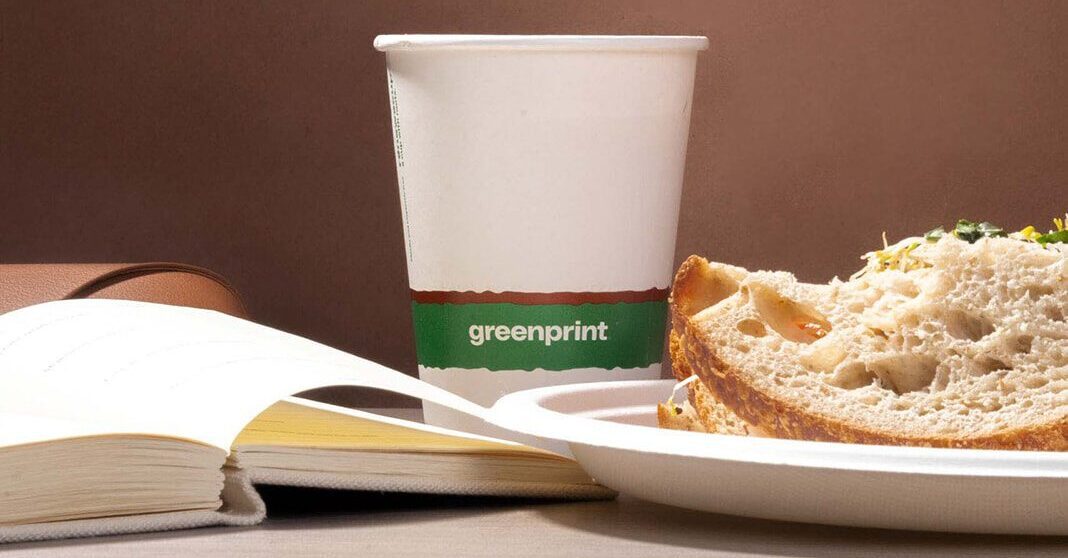
Our Renewacups™ are paper cups made with bio-coated paper. The material carries ISEGA certification (DE-140-00212) for both industrial and home compostability. These cups are designed specifically for hot beverages, with food-contact safety verified by Intertek for use at high temperatures.
For cold beverages, our Clearly Compostable™ cups are made from PLA and other bio-based materials. Certifications for this line are currently pending, so we describe Clearly Compostable™ by its material composition only, in keeping with FTC Green Guides.
Certifications That Prove a Cup Is Truly Compostable
A compostable cup is only as credible as the certification behind it. Certification means an independent lab has tested the product and confirmed it breaks down within specific timeframes without leaving harmful residue.
The two most recognized standards are:
- BPI: Verifies industrial compostability under ASTM D6400, with a home compostable program launched in December 2025. This is the most common certification for commercial foodservice products in the U.S.
- TÜV Austria OK Compost: The world market leader in bioplastics certification offers both HOME and INDUSTRIAL certifications. HOME certification means the product breaks down in a backyard compost pile. INDUSTRIAL certification means it requires a commercial composting facility.
Per FTC Green Guides, products that claim to be “compostable” without third-party verification risk misleading consumers. When you’re evaluating cups from any supplier, always ask for the specific certification body and standard. If they can’t provide it, that’s a red flag.

Compostable vs. Uncertified vs. Traditional Cups
The terms on disposable cup packaging can be confusing. “Compostable,” vague breakdown claims, and “recyclable” sound similar, but they mean very different things for your business and the environment.
Here’s a practical breakdown of how these cup types compare:
| Feature | Compostable Cups | Cups With Unverified Claims | Plastic/Foam Cups |
|---|---|---|---|
| Disposal pathway | Composting facility or home compost (depending on certification) | No guaranteed pathway | Landfill or recycling (if accepted locally) |
| Certification standard | BPI, TÜV Austria, or equivalent | No enforceable standard | Not applicable |
| Breakdown timeline | Defined by certification (typically within months) | Undefined and unverified | Persists for hundreds of years |
| Regulatory compliance | Meets emerging plastic-ban requirements | May not qualify under new laws | Increasingly restricted |
Compostable Cups vs. Cups With Unverified Claims
“Compostable” and vague breakdown claims are not the same thing. This is one of the most important distinctions for restaurant owners to understand.
Compostable cups must meet specific, certified standards. This means they’ve been tested and verified to break down within a set timeframe under composting conditions. The certification gives you a defensible claim you can stand behind.
Cups with unverified breakdown claims have no enforceable legal definition in the U.S. A product with such a label could take years to break down and may leave behind harmful residues. The FTC Green Guides specifically caution against unqualified claims of this nature because they can mislead consumers.
When you’re choosing cups for your restaurant, certified compostable is the only designation that gives you a verifiable, defensible claim. It’s the difference between a tested standard and a marketing buzzword.
Compostable Cups vs. Plastic and Foam Cups
Plastic and foam cups create two problems for restaurant owners: they persist in the environment, and they’re increasingly restricted by law.
Traditional plastic cups can take hundreds of years to break down in a landfill. Foam cups face similar issues. Both materials are now subject to bans in states and cities across the U.S., with more restrictions coming.
Many traditional cups also contain chemicals of concern:
- PFAS (per- and polyfluoroalkyl substances): Often used in coatings to make cups grease-resistant. PFAS have drawn increasing regulatory scrutiny due to health concerns.
- BPA (bisphenol A): A chemical found in some plastics that has been linked to health issues.
Compostable cups offer a clear end-of-life pathway through composting. Certified options are designed to meet the requirements of new legislation. For restaurant owners, choosing compostable cups now means you’re ahead of the compliance curve rather than scrambling to catch up when bans take effect in your area.

Environmental Benefits of Compostable Cups
Compostable cups divert waste from landfills and return organic material to the soil through composting. This is the core environmental advantage. Instead of sitting in a landfill for generations, a certified compostable cup can break down into nutrient-rich compost that supports healthy soil.
The environmental benefits extend beyond waste diversion:
- Reduced reliance on fossil fuels: Compostable cups are made from renewable, plant-based materials rather than petroleum.
- Support for circular economy models: Agricultural byproducts and plant materials are used, composted, and returned to the earth when properly disposed of in composting systems.
- Lower carbon footprint potential: Plant-based materials may require less energy to produce than traditional plastics, though results vary by material and manufacturing process.
At Greenprint®, this philosophy drives how we source materials and design products. We focus on turning waste streams into functional foodservice solutions. Our goal is to create products that work for your business and work for the planet.
Major brands are making similar moves. Starbucks has adopted reusable cups and compostable straws in select markets. McDonald’s is transitioning away from virgin fossil fuel-based plastics. These shifts signal where the industry is heading.
Health and Safety Benefits for Your Customers
Our certified compostable cups are free of PFAS and BPA, verified through third-party testing. This means the cup holding your customer’s morning coffee isn’t leaching harmful substances into their drink.
PFAS are a group of chemicals that have been used in food packaging for decades. They’re effective at making materials grease-resistant, but they’ve drawn serious health concerns. PFAS don’t break down easily in the environment or in the human body, which is why they’re sometimes called “forever chemicals.”
Our Renewacups™ line has been tested by Intertek across a comprehensive panel of PFAS compounds using both LC-MS/MS and GC-MS methods. All tested compounds returned “Not Detected” results. This is one of the broadest PFAS testing panels in the hot cup category.
The cups are also verified for safe food contact at high temperatures. This means performance and safety go hand in hand. You can serve hot coffee with confidence, knowing the cup won’t compromise your customer’s health.
For restaurant owners, this matters beyond just doing the right thing. PFAS legislation is expanding across the U.S., with several states now restricting or banning PFAS in food packaging. Having documented PFAS-free credentials protects your business from future compliance issues.
Business Benefits of Switching to Compostable Cups
Switching to compostable cups is a strategic investment, not just an environmental one. Here’s how the switch can benefit your bottom line and your brand.
Cost considerations: Compostable cups may carry a modest price premium over conventional options. That gap is narrowing as demand grows and production scales. More importantly, the cost of non-compliance with emerging plastic bans can far exceed the incremental cost of switching now. Fines, forced product swaps, and negative publicity all carry real costs.
Customer loyalty: Diners increasingly choose restaurants that align with their values. Industry research consistently shows that customers expect restaurants to demonstrate environmental responsibility. Serving drinks in certified compostable cups signals that you care about the same things your customers do. This builds trust and repeat business.
Regulatory readiness: States and cities across the U.S. are phasing out single-use plastics. Some are requiring certified compostable alternatives. Making the switch now positions your business to meet these requirements without last-minute disruptions.
Brand differentiation: In a competitive market, compostable cups are a visible, tangible way to stand out. They tell a story your customers can see and feel every time they pick up their order. That story matters when customers are deciding where to spend their money.
The business case is straightforward. Compostable cups cost a bit more upfront but protect you from regulatory risk, build customer loyalty, and position your brand as forward-thinking.

How to Choose the Right Compostable Cups for Your Business
Choosing the right compostable cup comes down to three things: verified certifications, performance that matches your menu, and a supplier you can trust. Here’s what to look for before you buy.
Check for Certified Compostability Standards
Always verify that a compostable cup carries a named, third-party certification before purchasing. This is the only way to ensure the product will actually break down as claimed.
The certifications to look for are:
- BPI certification (ASTM D6400): Operating for over 25 years, BPI verifies industrial compostability and is the most common standard for commercial foodservice products.
- TÜV Austria OK Compost HOME: Verifies the product breaks down in a backyard compost pile.
- TÜV Austria OK Compost INDUSTRIAL: Verifies the product breaks down in a commercial composting facility.
Be cautious with cups that use phrases like “made from plants” or vague green claims without listing a specific certification body and standard. Per FTC Green Guides, unqualified compostability claims without third-party verification can be misleading. If a supplier can’t point you to a specific certification, look elsewhere.
Match Cup Performance to Your Menu Needs
Different beverages require different cups. Hot drinks and cold drinks have different performance requirements, and not every compostable cup handles both well.
For hot beverages like coffee, tea, and espresso drinks, you need a cup that handles heat without compromising structure or safety. Our Renewacups™ are built for this purpose. They’re made with bio-coated paper that’s verified for food-contact safety at high temperatures. The ISEGA certification (DE-140-00212) and Intertek PFAS testing give you documented proof of both compostability and safety.
For cold beverages like iced coffee, smoothies, and soft drinks, our Clearly Compostable™ cups offer a clear, plant-based alternative to traditional plastic cups. They’re made from PLA and other bio-based materials. Certifications for Clearly Compostable™ are currently pending, so we describe this line by its material composition only, in keeping with FTC Green Guides. It’s a strong option for operators who want a transparent, plant-based cold cup while third-party verification is finalized.
When evaluating any supplier, ask these questions:
- What specific certifications does this cup carry?
- Is it designed for hot or cold beverages?
- Has it been tested for PFAS and food-contact safety?
- Can you provide documentation for these claims?
The answers will tell you whether you’re getting a product you can trust.
Frequently Asked Questions About Compostable Cups
Do compostable cups break down in a landfill?
No. Landfills lack the oxygen, moisture, and microbial activity that composting systems provide. Compostable cups need proper composting conditions to break down as designed. If disposed of in a landfill, they won’t decompose within the certified timeframe.
Are compostable cups safe for hot beverages?
Yes, when properly designed and tested. Our Renewacups™ are verified by Intertek for safe food contact at high temperatures. They’ve also been tested across a comprehensive PFAS panel with all compounds returning “Not Detected” results. Always check that your supplier can document both heat performance and safety testing.
Are compostable cups more expensive than plastic or foam cups?
Compostable cups may cost slightly more per unit. However, the regulatory risk of sticking with non-compliant products, along with the customer-loyalty value of compostable packaging, makes the investment worthwhile for most operators. The cost gap is also narrowing as production scales.
Can I compost cups at my restaurant or do I need a special facility?
It depends on the certification. Cups with TÜV Austria OK Compost HOME certification can break down in a backyard compost pile. Cups with BPI or TÜV Austria OK Compost INDUSTRIAL certification require a commercial composting facility.
How do I know if a cup is truly compostable?
Look for a named certification from BPI, TÜV Austria, or an equivalent body. The certification should specify whether the cup is home compostable or industrial compostable. Avoid cups that make vague claims like “plant-based” or “green” without listing a specific certification standard.
Make the Switch to Compostable Cups That Actually Work
Choosing compostable cups isn’t about chasing a trend. It’s about making a practical decision that protects your business, serves your customers well, and reduces waste in a way you can actually verify.
At Greenprint®, every claim we make is backed by named certifications and third-party testing. Our Renewacups™ carry ISEGA certification (DE-140-00212) for compostability and Intertek verification for PFAS-free status. These aren’t vague “green” claims. They’re documented, defensible credentials you can share with customers and regulators alike.
We offer a full line of compostable cups for both hot and cold beverages, along with the documentation and support you need to make the switch with confidence. Browse our cups to find the right fit for your menu, or contact us today to get personalized guidance for your operation.
The shift to compostable packaging is happening across the foodservice industry. The question isn’t whether to make the switch. It’s whether you’ll be ahead of the curve or scrambling to catch up.


Massachusetts plastic ban rules vary by town. See which single-use plastics are restricted, how paper bag fees work, and how your business can comply.
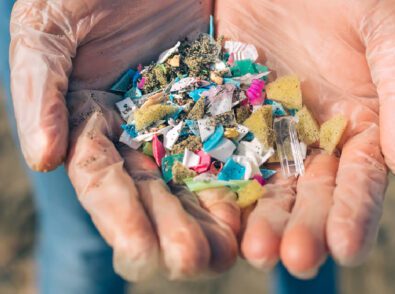
Learn how to avoid microplastics with easy swaps for your water, food, and kitchen, plus certified compostable foodware that cuts plastic in the waste stream.

Many meaningless eco certifications are just marketing. Learn the three signs of a real, third-party certification and how to verify one before you trust it.