




St. Petersburg, one of the larger cities in Tampa Bay, is surrounded by 244 miles of shoreline and welcomes thousands…
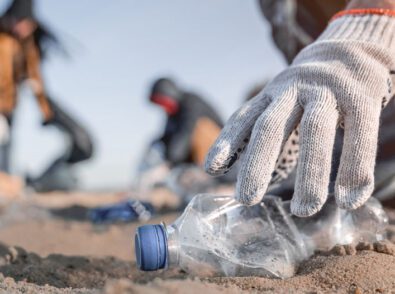
Daytona Beach is a popular tourist destination for students and families alike. It also hosts some of the largest motorsports…

While Orlando is known for its entertainment attractions, including the famed Walt Disney World and Universal Studios, it is also…
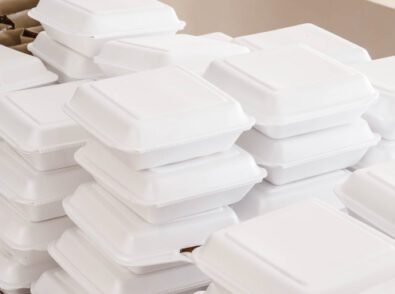
Buffalo is the second most populous city in New York State. It is a trade powerhouse surrounded by beautiful natural…

Jacksonville is a water wonderland. The city has the longest shoreline in the state, and the St. Johns River, the…
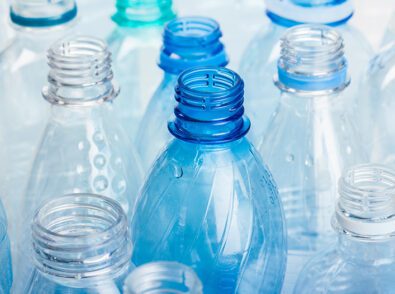
Tampa is the third-largest city in Florida. It’s a major business center, and as part of the Tampa Bay Area,…
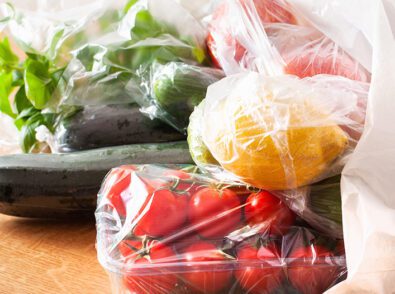
New York is the fourth most populous state in the United States and home to the most densely populated city…
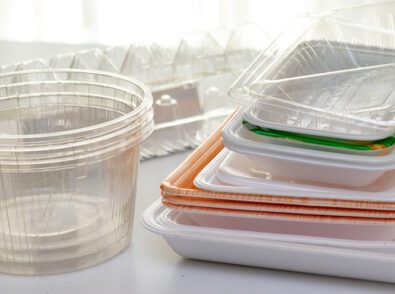
New York City has been taking measures to prevent large volumes of plastic from ending up in landfills, incinerators, the…
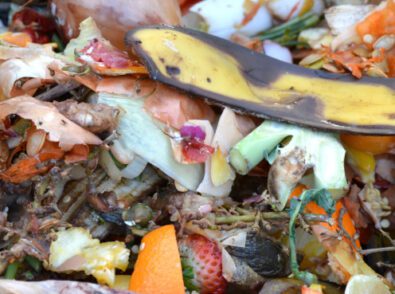
What Does Compostable Mean? Compostable products are products that can undergo aerobic biological decomposition. In other words, they decompose naturally…

Of the nearly eight million tons of plastic waste, plastic straws make up about 4% of that total . They are also among the top 10 contributors to ocean marine debris. Plastic straws are not recyclable, partly because of their size but also because most are tossed into the trash and end up in a landfill.

Trace the origin of compostable tableware from ancient leaf plates to modern plant-based materials like bagasse, PLA, and bamboo. Learn how compostable plates and cutlery are made.
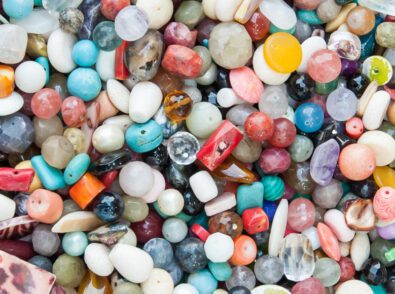
Learn how microplastics enter the food chain through water, soil, and packaging. Discover practical steps foodservice operators can take to reduce plastic contamination.

Learn what a carbon footprint is, which greenhouse gases it includes, and how businesses measure emissions using the GHG Protocol. Find practical steps to reduce yours.
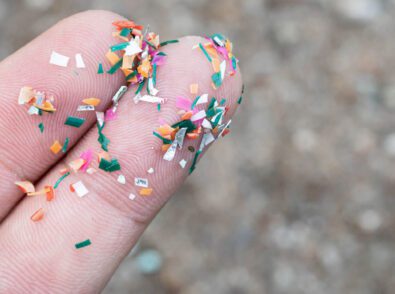
Learn the difference between primary and secondary microplastics, where they come from, and how certified compostable alternatives help reduce plastic pollution.
Learn how plastic regulation evolved from early bag bans to EPR laws and global treaties. Discover what foodservice operators need to stay compliant with changing rules.
Learn which material durability standards apply to foodservice packaging. Compare food grade vs food safe, review certifications, and evaluate compostable options for your operation.

Learn how to source upcycled materials for foodservice packaging. Covers agave fiber, sugarcane bagasse, supplier evaluation, certifications, and practical steps to start.

Compare PHA vs PLA, starch blends, and traditional plastic on composting conditions, cost, and performance. Find the right sustainable packaging material for your needs.
Learn best practices for marketing compostable certified products, from BPI certification and FTC Green Guides compliance to state labeling laws and customer education.