

Plastic Ban Laws in South Carolina: 2026 Guide
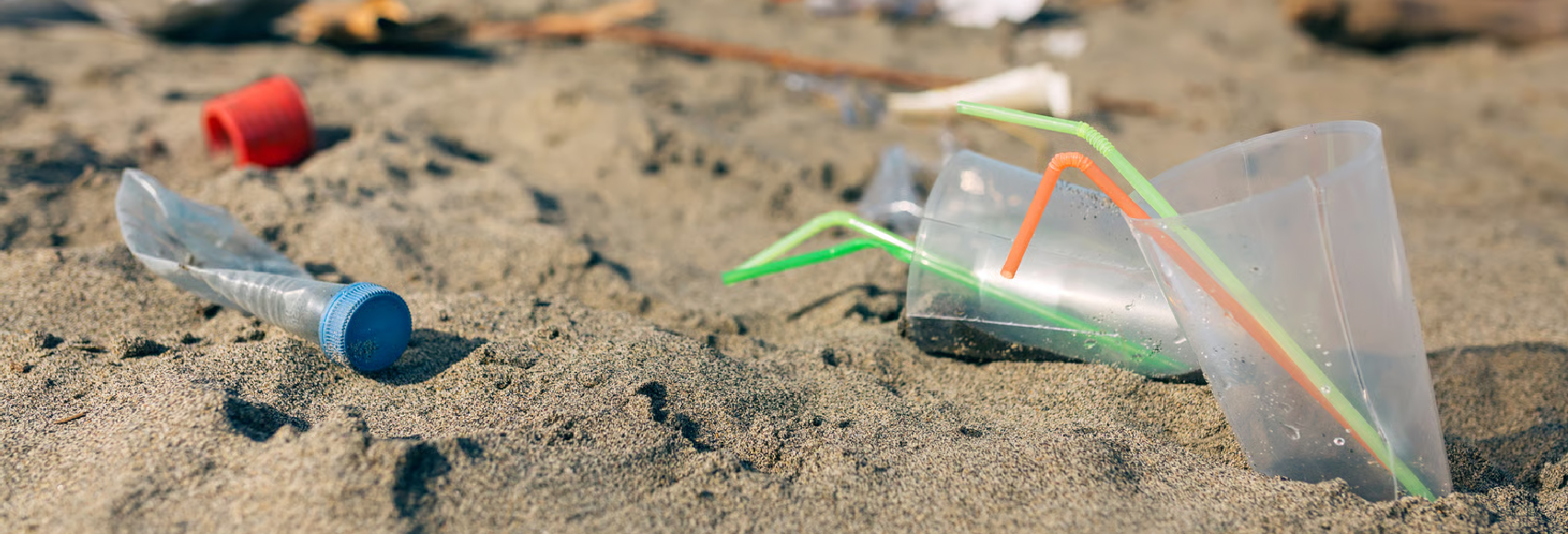


Plastic Ban Laws in South Carolina: What to Know in 2026
South Carolina doesn’t have a statewide plastic ban, but several coastal cities and counties have passed their own ordinances that directly affect restaurants, cafés, and food trucks. In this guide, we break down which local laws apply, what products they target, and how your foodservice business can stay compliant with practical, plant-based alternatives.
Key Takeaways
- South Carolina has no statewide plastic ban, but municipalities like Charleston, Beaufort County, and Hilton Head Island enforce their own local ordinances restricting single-use plastics.
- Local bans typically target plastic bags, polystyrene foam containers, plastic straws, and single-use utensils, so restaurant owners need to check the specific rules for their location.
- Switching to certified compostable (industrial or home compostable, depending on the certification) or plant-based foodservice products is the most straightforward way to comply with current and future plastic restrictions in South Carolina.
What Are the Current Plastic Ban Laws in South Carolina?
South Carolina has no statewide law banning plastics. Instead, individual cities and counties along the coast have passed their own ordinances restricting specific single-use plastic products.
This patchwork approach means the rules that apply to your restaurant depend entirely on where you’re located. If you operate in or near one of these municipalities, you’re likely already subject to some form of plastic restriction.
If you’re elsewhere in the state, no local ban currently applies. However, the trend is clearly moving toward broader adoption, and understanding what’s happening in key areas helps you prepare.
Charleston County and City of Charleston
The City of Charleston passed one of the most comprehensive local plastic ordinances in South Carolina. This ordinance restricts the distribution of plastic bags, polystyrene (foam) food containers, and plastic straws by foodservice establishments and retailers within city limits.
The ordinance has been amended since its original passage to clarify definitions and enforcement timelines. Here’s what it means for your business:
- Foam containers are prohibited. You cannot provide customers with expanded polystyrene foam containers for takeout or leftovers.
- Plastic straws** are request-only.** You can offer plastic straws, but only when a customer specifically asks for one.
- Plastic bags are restricted. Retailers and foodservice operators cannot distribute single-use plastic bags at checkout.
If you run a restaurant in downtown Charleston or anywhere within city limits, you should review the City of Charleston’s official ordinance text to confirm which products are restricted and what alternatives qualify.
Beaufort County and Hilton Head Island
Beaufort County enacted restrictions on thick plastic bags and plastic straws that affect grocery stores on Hilton Head Island and restaurants throughout the county. The ordinance prohibits businesses from distributing single-use plastic bags at the point of sale and limits the automatic distribution of plastic straws.
For restaurant owners on Hilton Head Island, this means you can’t hand out plastic straws by default. Customers may request a straw, but many operators have found it simpler to switch entirely to paper drinking straws or compostable alternatives certified for either industrial or home composting.
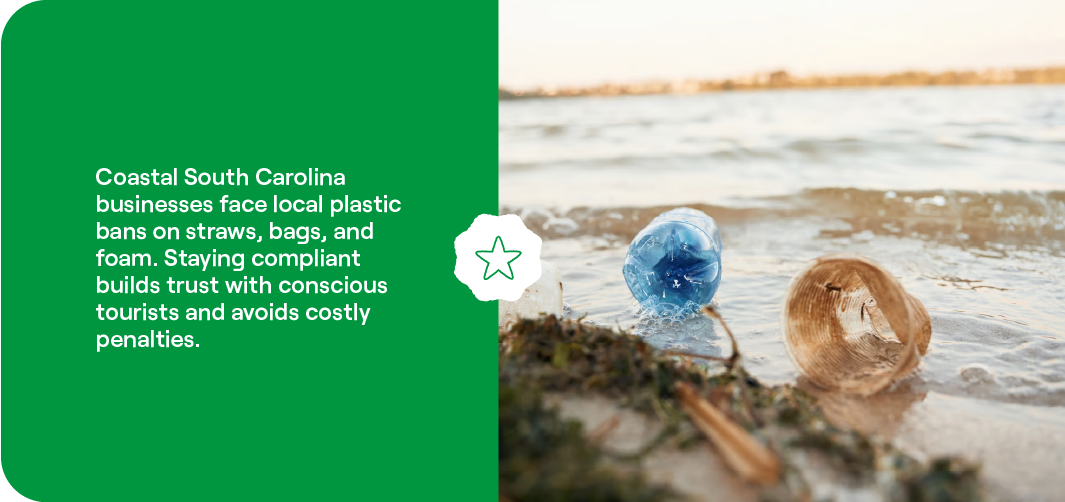
Grocery stores on Hilton Head Island are also affected, as they can no longer offer single-use plastic bags at checkout. The Beaufort County rules are particularly relevant for seasonal businesses that see heavy tourist traffic. Visitors often expect sustainable practices from coastal businesses, and compliance with these ordinances can actually strengthen your brand with customers who care about keeping beaches and waterways clean.
Other SC Municipalities With Plastic Bans
Several other South Carolina coastal communities have adopted their own plastic restrictions:
- Folly Beach: Restricts polystyrene foam products and single-use plastic bags within town limits.
- Isle of Palms: Bans polystyrene foam food and beverage containers for commercial foodservice use.
- Sullivan’s Island: Prohibits polystyrene foam containers and restricts plastic bag distribution.
- Kiawah Island: Has adopted restrictions on single-use plastics for businesses operating on the island.
If you operate in any of these areas, check with your local town or city government for the exact language of the ordinance. The specifics vary from one municipality to the next, and staying current with amendments is important for avoiding fines.
What Products Are Banned Under South Carolina Plastic Laws?
The local plastic bans across South Carolina target four main product categories used heavily in foodservice operations. Knowing exactly which items are restricted helps you audit your current inventory and plan your purchasing.
Here are the product types most commonly affected:
- Single-use plastic bags: Banned at retail checkout in multiple municipalities, including Charleston and Beaufort County.
- Polystyrene foam** containers:** Expanded polystyrene (often called Styrofoam) takeout containers, cups, and plates are restricted in Charleston, Folly Beach, Isle of Palms, and Sullivan’s Island.
- Plastic straws: Several ordinances prohibit automatic distribution of plastic straws. Restaurants may offer them only upon customer request, or they may be banned outright depending on the municipality.
- Single-use plastic utensils: Some ordinances include plastic forks, knives, and spoons in their restrictions, particularly when bundled with takeout orders.
Not every municipality bans all four categories. Charleston’s ordinance is the broadest, while some smaller communities focus primarily on foam and bags.
The practical takeaway is the same regardless of where you operate: if you’re currently using conventional plastic versions of any of these items, you should have a replacement plan ready. Paper drinking straws, compostable fiber containers (certified for industrial or home composting), and plant-based cutlery are the most common compliant alternatives.
How Did South Carolina’s Plastic Bans Start?
South Carolina’s local plastic bans grew out of grassroots environmental advocacy in coastal communities during the mid-2010s. Municipalities near the coast saw the direct impact of plastic waste on beaches, marshlands, and marine habitats.
Local governments responded with targeted ordinances focused on the products most commonly found as litter. The path wasn’t straightforward, though.
For several years, a state-level preemption debate created uncertainty about whether local governments had the authority to pass their own plastic restrictions. Some state legislators introduced bills that would have blocked cities and counties from banning plastics independently. New York’s plastic bottle ban reflects a broader scope than South Carolina’s approach to plastic legislation and restrictions.
However, court rulings ultimately allowed municipalities to move forward with their own ordinances. The coastal communities that had already drafted bans began enforcing them, and others followed.
This history matters for restaurant owners because it signals a clear direction. Extended Producer Responsibility (EPR) programs are emerging as a complement to local plastic bans, placing financial responsibility for waste management on the plastic producer. Even without a statewide ban, the momentum in South Carolina favors local action. New municipalities may adopt their own restrictions in the coming years, and operators who transition to compliant products now will be ahead of the curve rather than scrambling to catch up.
How Can Your Business Comply With SC Plastic Ban Laws?
The most effective compliance strategy is a straightforward three-step process. First, identify which ordinances apply to your location. Second, audit your current disposable inventory. Third, replace banned items with compliant alternatives.
Start by confirming whether your city or county has an active plastic ordinance. If you operate in Charleston, Beaufort County, Hilton Head Island, Folly Beach, Isle of Palms, Sullivan’s Island, or Kiawah Island, you’re already subject to restrictions. Check your local government’s website for the current ordinance text and any recent amendments.
Next, walk through your supply closet and identify every item that falls into a restricted category. Here’s what to look for and how to address each product type:
- Takeout containers: Replace polystyrene foam clamshells with compostable fiber-based alternatives that carry third-party composting certifications specifying whether they’re rated for industrial or home composting.
- Straws: Switch from plastic straws to certified compostable straws (check whether the certification covers industrial or home composting) or paper drinking straws. Many operators find that offering straws on request rather than automatically reduces costs and waste.
- Bags: If your municipality restricts plastic bags, transition to paper or certified compostable bags (verify whether the certification covers industrial or home composting).
- Cutlery: Replace plastic forks, knives, and spoons with plant-based compostable options (verify whether they require industrial or home composting), especially if your local ordinance covers single-use utensils.
When choosing replacement products, look for items backed by third-party certifications from recognized bodies like BPI (Biodegradable Products Institute), operating for over 25 years, or TÜV Austria, the world market leader in bioplastics certification. These certifications verify that a product meets specific composting standards rather than relying on vague or unverified claims. BPI updated its compliance thresholds for 2026, so verifying that your supplier’s certifications are current is essential.
Per FTC Green Guides, any composting claim should specify whether a product requires industrial composting or can break down in a home compost setting. This distinction matters because most communities don’t have access to industrial composting facilities. Products certified for home composting give your customers a realistic end-of-life pathway.
The good news is that switching to compliant products doesn’t mean sacrificing quality. Today’s compostable foodservice products (whether certified for industrial or home composting) are designed to handle real-world restaurant conditions, from hot soups in takeout containers to iced drinks with straws.
Greenprint® Can Help
We built Greenprint® to make exactly this kind of transition simple. Our product lines are designed to replace the single-use plastics that South Carolina’s local ordinances target, and every product carries the third-party certifications your business needs to stay compliant.
For straws, our Compostable Upcycled Agave Straws are made from Upcycled Agave Fibers sourced as post-tequila agricultural waste. They carry both TÜV Austria OK Compost HOME certification and BPI Commercial Compostability certification, and they’re third-party verified PFAS-free.
What makes these straws different is our enzyme technology. During compounding, an enzyme masterbatch is integrated at 160–190°C that catalyzes hydrolysis of PLA polymer chains, enabling full breakdown at ambient temperatures (20–30°C) rather than requiring industrial composting facilities at 55–60°C. This is what enables TÜV Austria OK Compost HOME certification. That’s a rare achievement in the compostable straw category; made possible specifically by our enzyme technology — and gives your customers a genuinely responsible option.
For operations where composting isn’t the priority, our Upcycled Agave (PCR) Straws offer a recycled-content alternative made with post-consumer recycled plastics and Agave Fibers.
For takeout containers, our Fiberware™ clamshells and containers are made from sugarcane fiber (bagasse) and carry TÜV Austria OK Compost INDUSTRIAL certification. They’re also verified PFAS-free through third-party testing. These replace polystyrene foam containers directly and hold up to the demands of hot, saucy, and heavy meals.
Our Fiberware™ plates and bowls carry the same TÜV Austria OK Compost INDUSTRIAL certification and are ideal for dine-in events, catering, and quick-service operations. Our Compostable Upcycled Agave Cutlery carries BPI Commercial Compostability certification and is third-party verified PFAS-free. It’s a heavy-weight option built for real meals, not flimsy utensils that snap under pressure.
Note that our Compostable Upcycled Agave Cutlery uses standard PLA without enzyme technology, so it requires industrial composting at 55–60°C and is best suited for cold or lukewarm meals.
Compliance with South Carolina’s plastic bans doesn’t have to be complicated, and it shouldn’t mean settling for products that let your customers down. Explore our products to find the right fit for your operation and your local requirements.


What happens to agave waste after tequila production? Learn how agave bagasse becomes biofuel, compost, construction material, and compostable food packaging.
Industrial composting produces far lower carbon emissions than landfill. Learn how aerobic decomposition reduces methane and why it matters for your business.
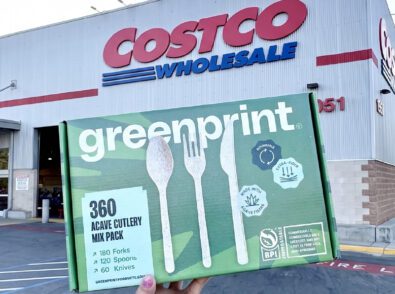
Greenprint compostable cutlery mix pack at Costco: 360 BPI-certified agave forks, spoons, and knives. Heavy-weight, industrial compostable, and built for events.