

Regenerative Farming: Principles, Practices and Benefits



Content
- What Is Regenerative Farming?
- What Are the Core Principles of Regenerative Agriculture?
- Which Regenerative Farming Practices Do Farmers Use?
- What Are the Benefits of Regenerative Agriculture?
- How Is Regenerative Farming Different From Organic Farming?
- What Are the Limits and Criticisms of Regenerative Farming?
- How Can Food Businesses Support Regenerative Farming?
- Frequently Asked Questions
What Is Regenerative Farming? Principles, Practices and Benefits
Regenerative farming is a way of growing food that puts soil health at the center. The goal is to rebuild farmland over time instead of simply keeping it from getting worse. For food businesses, it raises a practical question: where do your scraps and packaging end up?
What Is Regenerative Farming?
Regenerative agriculture is an approach to farming that aims to restore soil and the land around it. There’s no single agreed definition, so you’ll see the term used in different ways. The HHS regenerative agriculture brief says no single definition has been universally adopted. It names soil health as the foundation.
So what is regenerative agriculture in plain terms? Most definitions focus on how farmers care for soil, plants, water, and animals as a connected system. Some definitions describe practices, others describe results, and many mix both.
Regenerative farming stands apart from systems that take from the soil without giving much back. USDA’s NRCS notes that tillage and bare soil leave land more prone to erosion and runoff. Regenerative farmers try to keep soil covered, planted, and less disturbed.
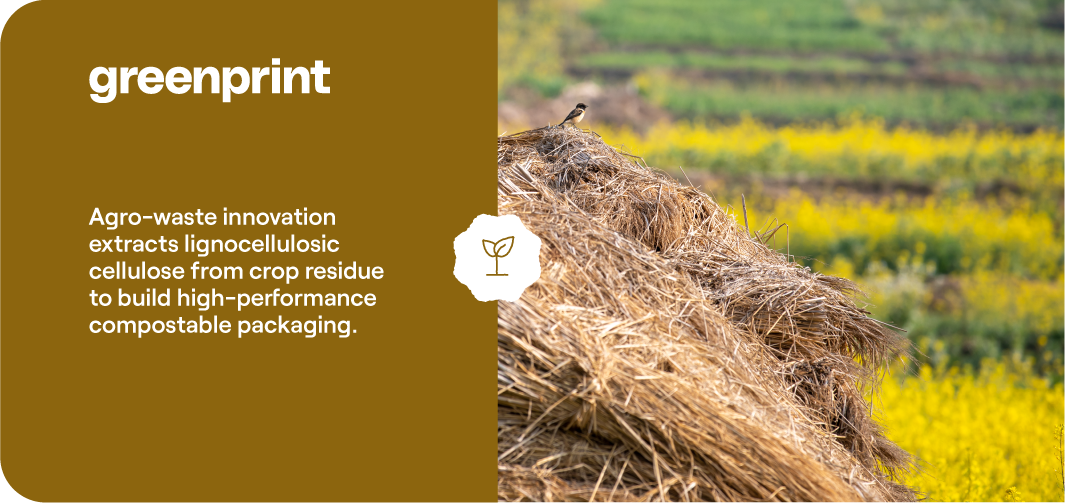
Farms also produce leftover plant material after harvest, and some of it can find new uses. At Greenprint®, we blend Agave Fibers recovered from tequila production with other materials in our compostable agave straws. It’s a working example of agricultural waste streams in packaging.
What Are the Core Principles of Regenerative Agriculture?
Soil health is the common thread in regenerative agriculture. The USDA Natural Resources Conservation Service (NRCS) offers a clear framework for cropland. The NRCS soil health principles are listed below.
-
Minimize disturbance, so soil structure and soil life stay intact.
-
Maximize soil cover, so plants or plant residue shield the ground.
-
Maximize biodiversity, so a wider mix of plants supports more life below ground.
-
Maximize continuous living roots, so something grows in the soil for as much of the year as possible.
These principles work together. NRCS puts it simply: diversity above ground improves diversity below ground.
NRCS also lists the proper integration of grazing animals as part of biodiversity. USDA’s National Agroforestry Center adds that livestock can recycle nutrients and increase plant diversity.
These principles describe cropland, so pasture and rangeland guidance may differ slightly. For you as a buyer, the principles also offer a useful test. A farm that calls itself regenerative should be able to explain how it handles each one.
Which Regenerative Farming Practices Do Farmers Use?
Regenerative agriculture practices put the soil health principles into action. Common examples include cover crops, reduced tillage, crop rotation, compost, and rotational grazing. The Regenerative Organic Alliance describes similar regenerative organic farming practices, with added limits on persistent chemical pesticides and fertilizers.
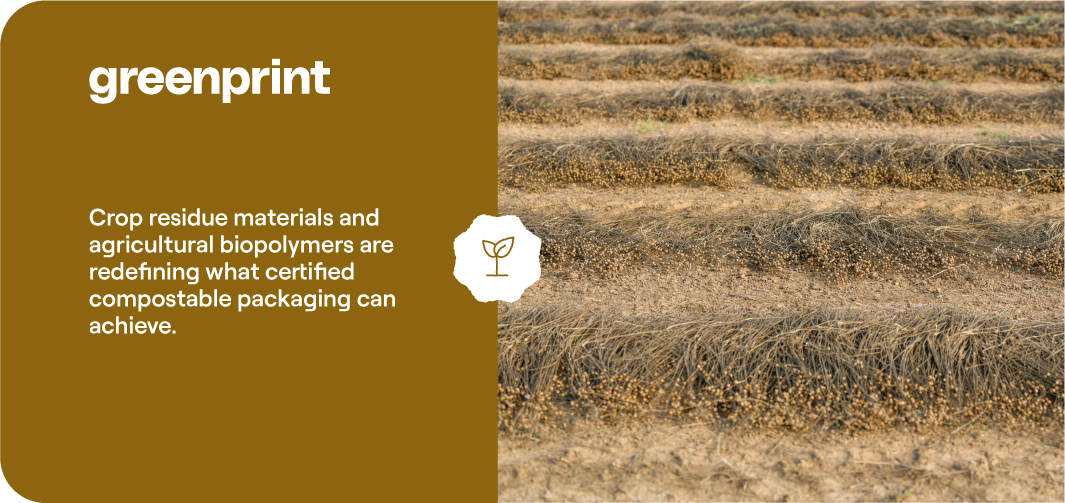
No-till farming means planting seeds without plowing or turning the soil. It supports the principle of minimizing disturbance, and some farms simply reduce tillage instead of stopping it. No-till also leaves crop residue, the stalks and leaves left after harvest, on the surface as cover.
When residue isn’t needed in the field, it can become a raw material for other products. That’s the focus of crop residue material innovation, which turns farm leftovers into useful goods.
Cover crops are plants grown to protect and feed the soil rather than for sale. They keep the ground covered between cash crops and add living roots during the off-season. That ties them to the principles of soil cover and continuous living roots.
Crop rotation means changing which crops grow in a field from season to season. It adds diversity above ground, which supports the biodiversity principle.
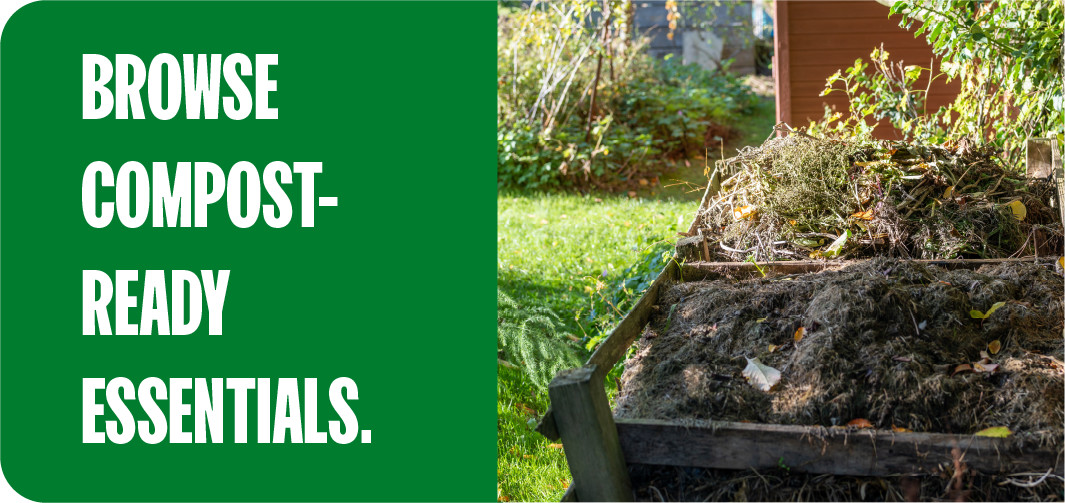
Compost is a stable soil amendment made when organic materials break down with the help of oxygen. Farmers spread it to add organic matter and feed soil life, which supports biodiversity. Some of it comes from industrial composting facilities that process organic material at a large scale.
Those facilities can accept kitchen scraps collected through food waste composting programs. That’s where restaurants enter the picture.
Managed grazing, often called regenerative grazing, moves livestock between pastures in a planned rotation. It ties to the biodiversity principle by bringing animals back into the system. Results vary, though, and Oklahoma State University Extension reports mixed findings for rotational versus continuous grazing.
Agroforestry means growing trees or shrubs alongside crops or livestock. The USDA silvopasture overview describes silvopasture as the deliberate integration of trees and grazing livestock on the same land. Some regenerative farms add agroforestry, such as silvopasture, and the Regenerative Organic Alliance includes agroforestry among its practices.
What Are the Benefits of Regenerative Agriculture?
The main benefits of regenerative agriculture show up in the soil. NRCS says healthy soils retain more water and are less likely to suffer from runoff and erosion. Over time, soil health practices can lead to more organic matter, more diverse soil organisms, and less compaction.
Those changes can also improve how soil stores and cycles nutrients. Results depend on soil type, climate, and management, so outcomes differ from farm to farm. Oklahoma State University Extension notes that effects on water retention and water quality vary.
Biodiversity is another potential gain. A wider mix of crops and living roots can support more life above and below ground.
Regenerative farming may also store carbon in soil. NRCS points to carbon storage as a possible outcome of soil health practices. However, how much carbon stays in the soil, and for how long, is still uncertain.
Compost is part of this picture because it returns organic matter to farmland. EPA says landfilling food throws away nutrients and carbon that could return to soil. Landfilled food also creates methane, a powerful greenhouse gas, adding to the environmental impact of food waste.
These benefits are possible, not guaranteed. They describe what soil can gain under good management, not a promise about yields.

How Is Regenerative Farming Different From Organic Farming?
The biggest difference is regulation. USDA Organic is the only federally regulated organic label. Farms must meet the USDA organic certification standards to use it. Regenerative farming has no single agreed definition or overarching certification standard.
That’s the core of the regenerative vs organic question. An organic label tells you a farm met a federal rulebook. A regenerative claim says a farm aims for better soil health. But no single agreed standard stands behind the word.
Still, FoodPrint notes that several independently certified regenerative labels exist, and Regenerative Organic Certified (ROC) helps bridge that gap. It’s a private certification from the Regenerative Organic Alliance, a nonprofit group. The Regenerative Organic Certified requirements use USDA organic certification as a baseline.
ROC then adds standards for soil health, animal welfare, and fairness for farmers and farm workers. In short, ROC farms must already be organic.
Question | USDA Organic | Regenerative |
|---|---|---|
Who sets the rules? | The federal government (USDA) | No single agreed standard |
Main focus | Meeting federal organic rules | Soil health |
Is certification required? | Yes, to use the label | No, but private labels like ROC exist |
A farm can be organic, regenerative, both, or neither. If you buy for a restaurant, ask suppliers which practices they use and which labels they hold.
What Are the Limits and Criticisms of Regenerative Farming?
Regenerative farming has strong supporters, but it also faces fair questions. The biggest is the definition. The Oklahoma State Extension overview notes there’s no universally accepted definition of regenerative agriculture.
Definitions may focus on the process, the outcomes, or a mix of both. That makes it hard to compare claims from different farms or brands.
Carbon storage is another open debate. The same fact sheet reports a high level of uncertainty about net carbon storage under no-till. Some studies it cites found more promise with cover crops, but the science isn’t settled.
Changing systems also takes time and money. FoodPrint describes the shift as a yearslong and expensive process. HHS notes that the USDA regenerative pilot program uses multiyear contracts with soil testing at the start and end.
Critics also worry about vague marketing. FoodPrint, a nonprofit food advocacy group, argues that “regenerative” is becoming a buzzword companies use to exaggerate sustainability claims. These critics of corporate regenerative claims say the lack of an overarching certification invites misleading use.
For your business, the takeaway is practical. Ask for specifics, such as which practices a farm uses and how it tracks soil health. A clear answer is worth more than a label with no standard behind it.
How Can Food Businesses Support Regenerative Farming?
Restaurants and food businesses can support regenerative farming through what they buy and what they throw away.
Start with sourcing. Ask suppliers which practices they use, such as cover crops, no-till, or managed grazing. If a farm holds Regenerative Organic Certified status, you also get an independent check on its claims.
Next, separate food scraps so they can become compost. The EPA guidance on composting says compost adds organic matter to soil and supports the microbes that live there. Before you set up bins, confirm what belongs in compost with your local hauler or composter.
Keep that compost stream clean. EPA notes that compost feedstocks must be free of non-compostable packaging.
That’s where your foodware choices matter. Where a composting program will accept it, choose packaging that’s certified to break down in that system. Look for BPI and TÜV compost certifications on the label.
Per BPI’s certification program, certified products are tested to break down in a managed compost facility. TÜV Austria offers separate INDUSTRIAL and HOME certifications, including the TÜV OK compost HOME standard for home bins.
Compostable packaging doesn’t make a farm regenerative. It simply helps your scraps reach a composter instead of a landfill.
Frequently Asked Questions
Is There a Certification for Regenerative Farming?
There’s no single, overarching certification for regenerative farming. Several independently certified regenerative labels exist, FoodPrint notes, and Regenerative Organic Certified builds on USDA organic.
How Long Does It Take to Transition to Regenerative Farming?
It often takes years, according to FoodPrint, which calls the shift yearslong and expensive. NRCS notes that soils under reduced tillage gain organic matter and moisture over several years.
Can Small Farms Use Regenerative Practices?
Often, yes. The NRCS small-scale soil health guidance reports wide interest from small producers in cover crops and reduced tillage. Our guide to home composting methods shows how to make compost at a small scale.
Can Regenerative Farming Help Fight Climate Change?
It may help by storing carbon in soil. Oklahoma State University Extension notes high uncertainty about net carbon storage, so it isn’t a proven climate solution.
References
- https://aspe.hhs.gov/reports/regenerative-agriculture
- https://www.nrcs.usda.gov/conservation-basics/soil/soil-health/soil-health-on-cropland
- https://www.fs.usda.gov/nac/topics/soil-health.php
- https://regenorganic.org/why-regenerative-organic/
- https://www.fs.usda.gov/nac/practices/silvopasture.php
- https://www.ams.usda.gov/services/organic-certification/organic-basics
- https://regenorganic.org/becoming-regenerative-organic-certified/
- https://extension.okstate.edu/fact-sheets/regenerative-agriculture-an-introduction-and-overview
- https://foodprint.org/blog/regenerative-agriculture-companies-greenwashing/
- https://www.epa.gov/sustainable-management-food/composting
- https://bpiworld.org/
- https://en.tuv.at/ok-compost-home-en/
- https://www.nrcs.usda.gov/conservation-basics/soil/soil-health/soil-health-and-small-scale-agriculture


Is it safe to microwave plastic containers? Learn what heat does to plastic, what the microwave-safe label means, and simple ways to reheat food more safely.
Paper vs. plastic environmental impact depends on material, reuse, and disposal. See what life cycle studies show and how restaurants can pick better packaging.

Learn how the Colorado plastic ban and single-use plastic laws affect your business, from the bag fee and foam ban to local rules. Get compliant today.