

Environmental Impact of Takeout Containers by Material
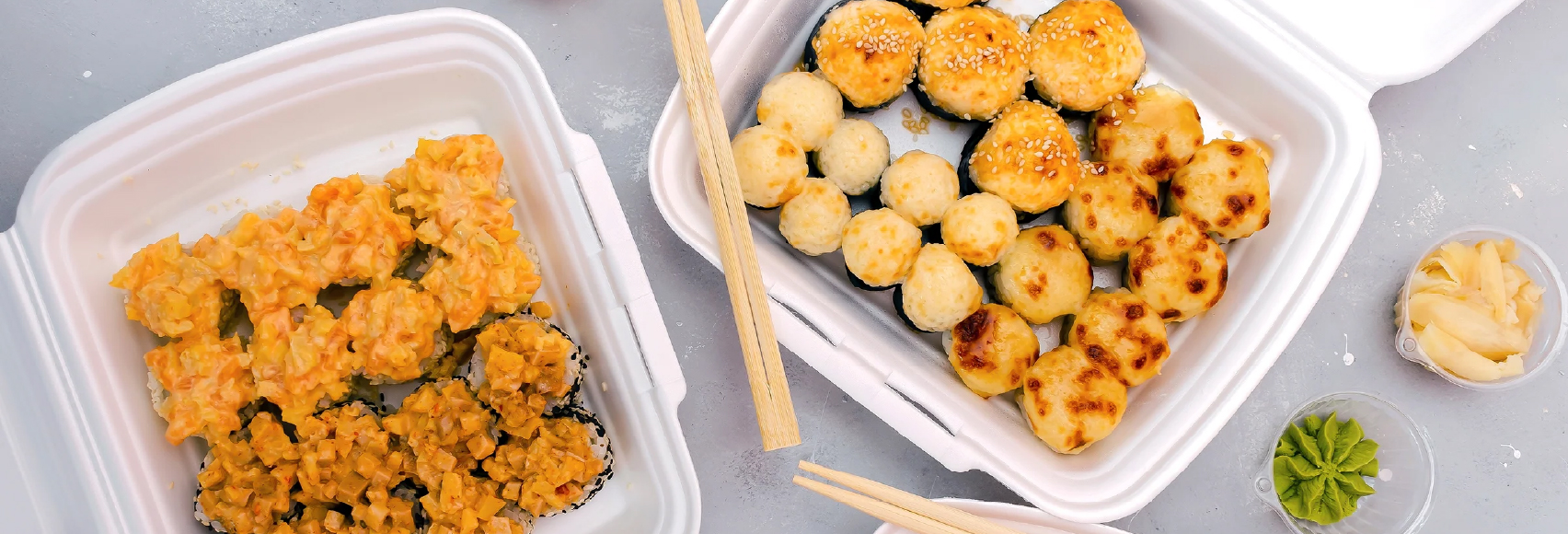


Content
- How Takeout Containers Affect the Environment
- Environmental Impact of Common Takeout Container Materials
- What Happens to Takeout Containers After Use?
- Chemicals and Microplastics in Takeout Packaging
- Are Reusable Takeout Containers Better for the Environment?
- How to Choose Lower-Impact Takeout Containers for Your Restaurant
- Frequently Asked Questions
What Is the Environmental Impact of Takeout Containers?
The environmental impact of takeout containers comes down to three things: material, manufacturing, and end of life. A container that looks green on the shelf can still land in a landfill. For restaurant owners, the real question is which option fits your menu and your local waste system.
How Takeout Containers Affect the Environment
Your takeout packaging is one of the most visible choices your restaurant makes. Customers see it, touch it, and throw it away. That makes it a reflection of your values and a growing focus of local rules.
Every container has a lifecycle. A lifecycle is the full path of a product, from raw material to final disposal. Each stage adds its own environmental cost.
Here’s how that path usually looks for takeout containers:
-
Raw materials. Plastic and foam come from fossil fuels, while fiber containers come from plants or crop leftovers.
-
Manufacturing. Factories use energy, water, and chemicals to shape and coat each container.
-
Transport. Containers travel from factory to distributor to your kitchen, and heavier items take more fuel.
-
Single use. Most takeout containers hold one meal for a short time before they’re tossed.
-
Disposal. The container goes to a landfill, a recycling plant, a compost facility, or the street as litter.
The U.S. Environmental Protection Agency tracks containers and packaging waste data as a major part of municipal trash. Because each container is used so briefly, the first and last stages carry most of the weight. Where the material comes from and where it goes after the meal matter most.
Packaging rules can vary by state. Maine’s foam ban guidance notes that several states, including New York and Maryland, ban foam food service ware.
Thinking about the full lifecycle lowers the environmental impact of takeout containers. It also helps you avoid a costly switch later.
Environmental Impact of Common Takeout Container Materials
Each material trades one benefit for another. No single option wins in every setting. The table below compares the most common choices side by side.
Material | Source | End-of-Life Path | Key Trade-Off |
|---|---|---|---|
Polystyrene foam | Fossil fuels | Landfill; rarely accepted for recycling | Cheap and insulating, but breaks into litter and is banned in some places |
Plastic (PP, PET) | Fossil fuels | Recycling where accepted; often landfill | Sturdy and leak-resistant, but food residue limits recycling |
Aluminum | Mined ore | Recycling where programs accept it | Recycled metal needs far less energy, but new aluminum from ore is energy-intensive |
Plastic-lined paper | Trees plus a plastic coating | Trash in many places | Looks like paper, but the lining can block recycling and composting |
Molded fiber (bagasse) | Sugarcane fiber left after juicing | Industrial composting where available | Plant-based and sturdy, but needs a compost facility to finish its cycle |
PLA | Plant sugars such as corn | Designed for industrial composting | Looks like plastic, but isn’t meant for recycling bins |
Reusable | Durable plastic or steel | Many uses, then recycling or landfill | Less waste per meal when returned often, but needs washing and a return system |
Polystyrene foam is the white, puffy material used in many clamshells and cups. It’s light and keeps food warm, but it breaks into small pieces that spread as litter. New York State bans foam food service containers, as its polystyrene foam ban page explains.
You can read more about polystyrene foam’s environmental harms in our foam guide. The short version: foam is cheap up front but costly to clean up.
Aluminum has its own trade-off. Making new aluminum from ore is energy-intensive, according to aluminum recycling energy data from the International Aluminium Institute. Recycled aluminum needs far less energy.
Plastic and aluminum both have recycling paths. The catch is that greasy, food-soiled containers can be rejected at the sorting facility. So many disposable containers with lids for hot food can end up in the trash anyway.
Plastic-lined paper has a similar problem. The thin plastic layer keeps sauces in, but it can block recycling and composting. CalRecycle’s organics recycling FAQ says plastic-lined food-service paper is not compostable.
Compostable takeout containers take a different route. Molded fiber and PLA (polylactic acid, a plastic-like material made from plants) are designed to become compost. That only happens in the right facility, so they don’t help much in a landfill.
Greenprint® Fiberware™ clamshells are one example. They’re made from bagasse, the fiber left after sugarcane is pressed for juice. Fiberware™ is certified TÜV Austria OK Compost INDUSTRIAL, so it’s made for industrial facilities, not backyard piles.
Our guide shows how bagasse becomes tableware, from cane field to clamshell.
For hot, saucy dishes, the lid matters as much as the base. A clamshell with an attached lid means fewer separate parts to sort or toss. That’s one reason fiber clamshells can work well for burgers, fries, and full entrées.
What Happens to Takeout Containers After Use?
A container’s final stop decides much of its impact. Most takeout packaging follows one of three paths: landfill, recycling, or composting.
Landfill is where much food-soiled packaging ends up. Landfills are built to store waste, not to break it down quickly. Learn more about plastic foodware in landfills.
Recycling works for clean plastic, aluminum, and paper where local programs accept them. Paper to go containers with lids often have plastic linings that keep them out of the bin. Oregon’s recycle right guidance says coated to-go boxes belong in the garbage and food residue can ruin a load.
Composting can turn certified compostable containers into compost at an industrial facility. The EPA’s plastic composting FAQ says compostable plastics are meant for these facilities, which run hotter. Our guide to home versus industrial composting covers temperatures and timelines.
There’s also an unplanned path: litter. Light containers can blow out of bins and into streets, parks, and waterways.
The key point is simple. A container ends up where your local infrastructure allows, not where its label hopes it will go.
Before you pick a material, find out which of these paths your area actually offers. Your hauler or city can tell you what they accept.
Chemicals and Microplastics in Takeout Packaging
Impact isn’t only about waste. What’s in the container can affect food, soil, and water too.
PFAS are human-made chemicals, and some were once used to help paper and fiber packaging resist grease. They matter for takeout because hot, oily food sits right against the container.
The FDA’s grease-proofing phase-out page says PFAS grease-proofers are no longer sold for U.S. paper food packaging. Our guide to PFAS in foodware covers what to look for.
Independent testing is how you confirm a product is free of PFAS. Our Fiberware™ clamshells were tested by Intertek, an independent lab. The result was PFAS Not Detected.
When you compare suppliers, ask whether their fiber products were tested for PFAS. A named lab and a clear result tell you more than a general claim on a spec sheet.
Microplastics are tiny plastic pieces that form as plastic breaks apart over time. Studies have detected them in plastic takeout containers, according to a peer-reviewed food packaging review.
The review notes that test methods vary, so health risks are still unclear. Read more about microplastics from disposable foodware.
Are Reusable Takeout Containers Better for the Environment?
Reusable containers can be the better choice, but only under the right conditions. The honest answer is that it depends on how they’re used.
A reusable container is built to last, so it usually takes more material to make. It needs repeat use to make up for that. The break-even point is the number of uses needed before a reusable container’s impact drops below a disposable one.
Washing can add water, energy, and detergent with every cycle. Transport can add impact too, especially if containers travel far to be cleaned. If customers keep or toss reusables, the break-even point may never come.
A UN take-away packaging review found reusables perform better only if reused enough times. It also found no one-size-fits-all answer. Local energy sources, return habits, and travel distance can all shift the outcome.
If you want to test reusables, start small. A pilot with regular catering or office customers shows you real return habits before you invest.
Reusable programs can make green claims too, so check them against the FTC Green Guides regulation text. Our guide to spotting greenwashing claims shows what to look for.
For most takeout and delivery, a well-chosen single-use container is still the practical option. The goal is to pick the one with the cleanest end-of-life path in your area.
How to Choose Lower-Impact Takeout Containers for Your Restaurant
The best container fits your food and your local waste system. Use this checklist before you switch.
-
Match the material to your menu. Hot, saucy, or greasy dishes need containers that won’t leak or get soggy.
-
Check local composting and recycling access. Ask your hauler or city which materials they accept from businesses.
-
Verify named certifications. Look for specific third-party labels, not vague claims on the box.
-
Ask suppliers for proof. Request certificates and lab results before you place a large order.
-
Label for your customers. Clear disposal labels help diners put containers in the right bin.
Certifications from groups like BPI and TÜV Austria show a product met composting test standards. BPI’s certification standards overview explains that its mark is based on ASTM testing. Still, confirm your hauler or composter accepts the item.
Our guide to what composting certifications mean explains each label. It also helps to know compostable versus break-down claims.
The FTC Green Guides set rules for honest environmental marketing claims. Ask any supplier to back up green claims with specific proof.
If you have access to industrial composting, compostable takeout containers are a strong fit for hot meals. Our industrial compostable Fiberware™ clamshells are made from bagasse and certified TÜV Austria OK Compost INDUSTRIAL. They come in several clamshell sizes, plus hoagie and taco boxes.
Frequently Asked Questions
Are Compostable Takeout Containers Better Than Recyclable Ones?
It depends on what your area accepts: compostable wins with industrial composting, recyclable where soiled containers are accepted. Our compostable versus recyclable comparison covers both.
Can Greasy Takeout Containers Be Recycled?
Usually not. Food residue can contaminate recycling, so many programs ask you to empty containers and keep heavily soiled ones out.
Are Paper Takeout Containers Plastic-Free?
Not always. Some paper containers have a thin plastic lining to stop leaks, so check the product details before you buy.
What Should You Do With Compostable Containers if There’s No Compost Bin Nearby?
Put them in the trash, not the recycling bin, since compostable materials can contaminate recycling. Our guide to compostable packaging without composting covers other options.
References
- https://www.epa.gov/facts-and-figures-about-materials-waste-and-recycling/containers-and-packaging-product-specific
- https://www.maine.gov/dep/waste/recycle/polystyrene-foam.html
- https://dec.ny.gov/environmental-protection/recycling-composting/nys-plastics-reduction-laws/go-foam-free
- https://international-aluminium.org/landing/aluminium-recycling-saves-95-of-the-energy-needed-for-primary-aluminium-production/
- https://calrecycle.ca.gov/recycle/commercial/organics/faq/
- https://www.oregon.gov/deq/recycling/pages/recycle-right.aspx
- https://www.epa.gov/trash-free-waters/frequently-asked-questions-about-plastic-recycling-and-composting
- https://www.fda.gov/food/process-contaminants-food/market-phase-out-grease-proofing-substances-containing-pfas
- https://doi.org/10.1016/j.hazadv.2025.100746
- https://www.lifecycleinitiative.org/wp-content/uploads/2023/07/UNEP-SUPP-Matrix-Diagram-Booklet-4.7.23.pdf
- https://www.law.cornell.edu/cfr/text/16/part-260
- https://bpiworld.org/blog/the-science-behind-certified-compostable-products

Food expiration dates mostly signal quality, not safety. Learn what best by, use by, and sell by mean, how to spot spoiled food, and how to waste less.

Finding industrial composting facilities starts with national maps, state lists, and composter networks. Learn how to confirm a site accepts your packaging.

School and campus plastic reduction programs start in the cafeteria. Learn how to audit waste, swap in certified compostables, and build lasting campus policy.